
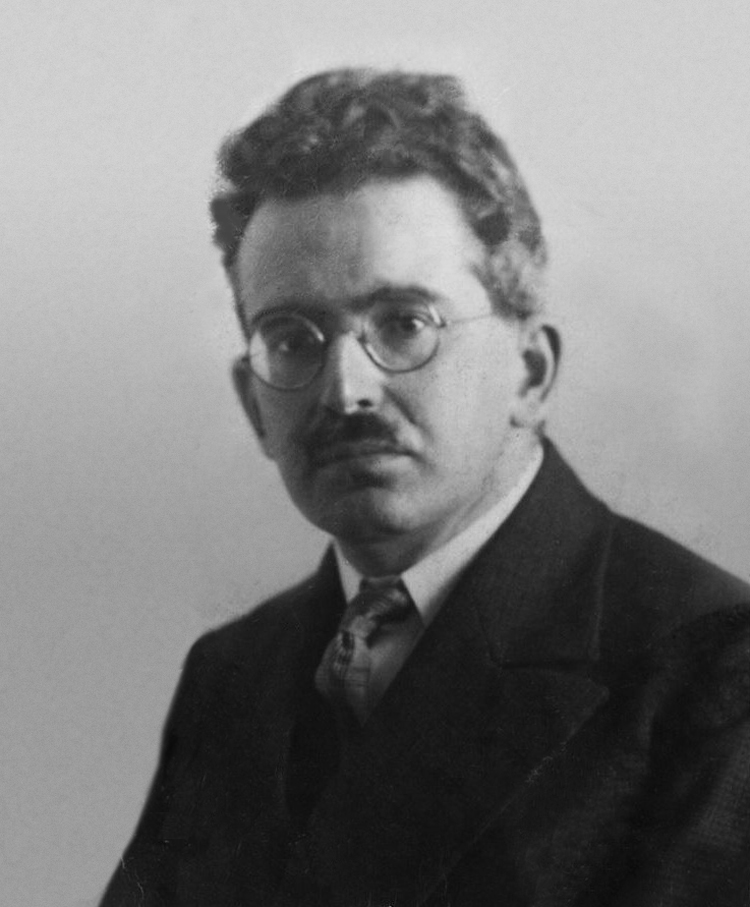
Who Was Walter Benjamin?
Walter Benjamin (1892-1940) was a German-Jewish philosopher, cultural critic, and essayist, recognized for his profound and insightful analyses of modernity, culture, and art. His interdisciplinary work incorporates elements of theology, Marxist theory, philosophy, and literary criticism. Benjamin is best known for his essays “The Work of Art in the Age of Mechanical Reproduction” and “Theses on the Philosophy of History,” which continue to influence a wide range of disciplines, including cultural studies, media theory, and art history.
What He Taught About Rhetoric
While Walter Benjamin did not explicitly focus on rhetoric in the traditional sense, his works deeply engage with the rhetorical aspects of language, art, and media. His approach to rhetoric can be seen in his analysis of how technologies like photography and film transform perception and communication. In “The Work of Art in the Age of Mechanical Reproduction,” Benjamin discusses the effects of mass media and technological reproduction on the essence and function of art in society, which has implications for understanding how messages and aesthetics influence public consciousness. His writings suggest that changes in the modes of communication reshape not only artistic practices but also the very nature of human sensory experiences and interactions.
His Influence in the Study of Rhetoric and Communication
Walter Benjamin’s influence on the study of rhetoric and communication is profound, particularly through his critical examination of culture and media. His ideas about the impact of technology on cultural forms and communication practices have paved the way for contemporary media studies and visual rhetoric. Benjamin’s notion that technological reproduction alters the “aura” of artworks has extended into discussions about how digital media transform the authenticity, reception, and rhetorical power of cultural messages. His interdisciplinary approach has encouraged scholars to consider the rhetorical dimensions of cultural artifacts and to explore the intersections of aesthetics, politics, and technology in communication.
Benjamin’s theoretical contributions continue to be relevant in understanding the complexities of modern communication environments, where media and technology play a crucial role. His work inspires ongoing research into how media technologies shape cultural perceptions and societal discourse, reinforcing his lasting impact on the fields of rhetoric, communication, and cultural studies.
*Content on this page was curated and edited by expert humans with the creative assistance of AI.