
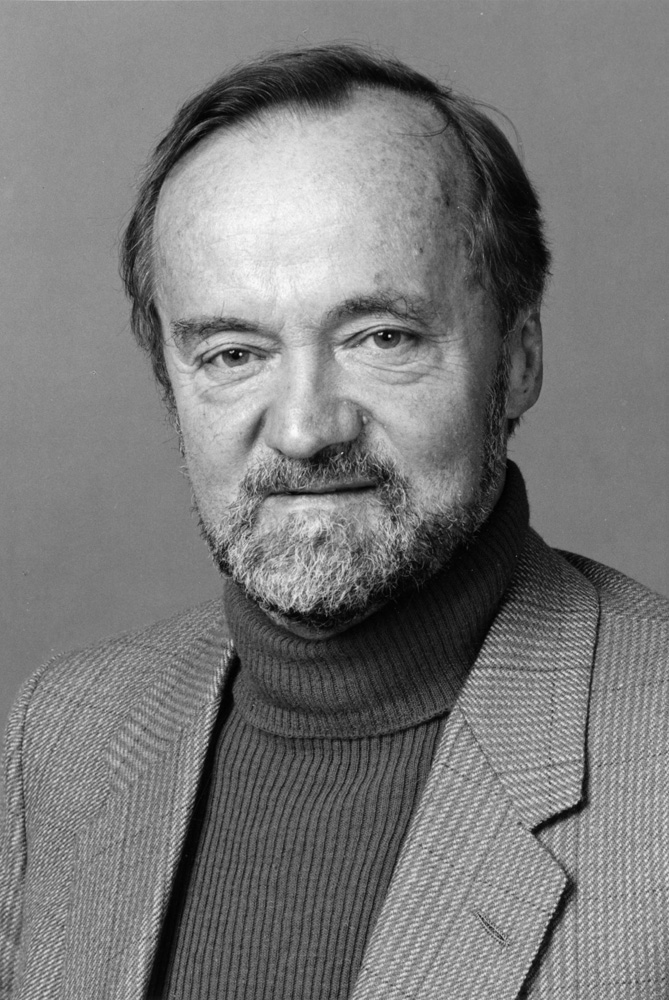
Who Was Stephen Toulmin?
Stephen Toulmin (1922-2009) was a British philosopher and educator known for his contributions to the philosophy of science, ethics, and rhetoric. Educated at Cambridge University and later a professor at various prestigious universities, Toulmin is best remembered for developing one of the most influential models of argumentation used across various disciplines today. His seminal work, The Uses of Argument (1958), introduced a method for analyzing the practical structure of arguments, which has become foundational in modern rhetoric and communication studies.
Toulmin’s Teachings About Rhetoric
Stephen Toulmin’s major contribution to rhetoric is the Toulmin Model of Argumentation, which provides a framework for understanding the elements of practical arguments. This model is particularly noted for its applicability beyond formal logic, addressing the complexities of everyday arguments. The model outlines six components of an argument:
- Claim: The conclusion whose merit must be established.
- Grounds: The foundation or evidence for the claim.
- Warrant: The logical link connecting the grounds to the claim.
- Backing: Additional support for the warrant.
- Qualifier: Statements indicating the strength of the leap from the grounds to the claim.
- Rebuttal: Counter-arguments or exceptions that might limit the claim.
Toulmin’s model emphasized the dynamic and context-dependent nature of arguing, shifting away from the rigid structures of formal logic to embrace the practical and situational aspects of rhetoric.
Toulmin’s Influence in the Study of Rhetoric and Communication
Toulmin’s model of argumentation has been widely adopted for teaching reasoning and writing, providing a clear, structured way for students and professionals alike to dissect and construct effective arguments. The Toulmin Model helps users to think critically about the components of arguments, making it an essential tool in legal reasoning, public speaking, and educational settings.
Beyond academia, Toulmin’s ideas have influenced fields such as computer science, artificial intelligence, and human-computer interaction, where his models help structure complex decision-making processes. In the realm of communication, his work offers a robust analytical tool for evaluating the persuasiveness and feasibility of arguments presented in media, political discourse, and public policy.
*Content on this page was curated and edited by expert humans with the creative assistance of AI.