
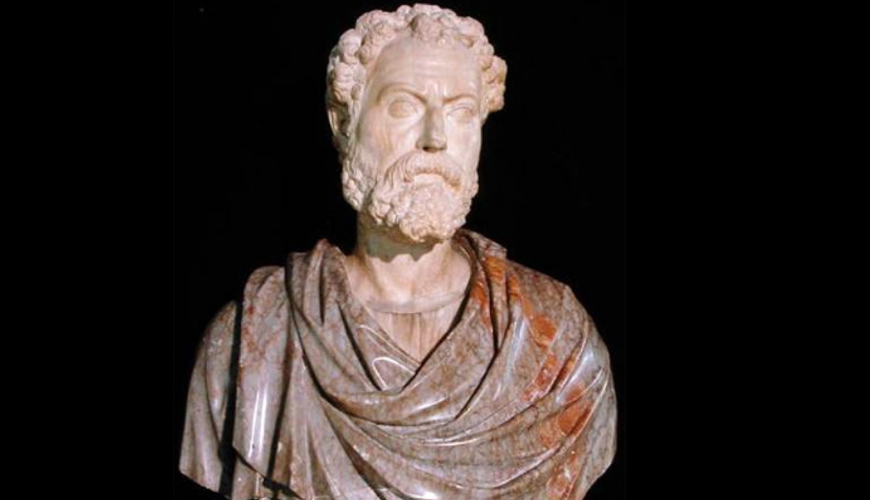
Who Was Quintilian?
Marcus Fabius Quintilianus, commonly known as Quintilian, was a renowned Roman rhetorician and educator born around 35 CE in Calagurris, Hispania (now Calahorra, Spain). He gained prominence in Rome as a teacher of rhetoric, and his most influential work, “Institutio Oratoria” (The Orator’s Education), is a comprehensive treatise on rhetoric and education. Quintilian was appointed by Emperor Vespasian to the first state-funded chair of rhetoric in Rome, underscoring his significance in the field.
Quintilian’s Teachings on Rhetoric
Quintilian’s “Institutio Oratoria” is a twelve-volume work that covers the education of an orator from childhood through to the peak of his career. He emphasized that effective rhetoric requires a combination of innate talent, rigorous training, and a strong moral character. Quintilian’s teachings focused on the development of the whole person, advocating for a broad education that included literature, philosophy, and moral instruction. He believed that the orator should not only be skilled in persuasive speaking but also be a virtuous and ethical individual. Quintilian’s famous definition of rhetoric as “the art of speaking well” (ars bene dicendi) highlights his belief in the moral and ethical dimensions of rhetorical practice. He also codified Cicero’s five canons of rhetoric (inventio, dispositio, elocutio, memoria, and pronuntiatio), which provided a structured approach to crafting and delivering speeches.
Quintilian’s Influence on the Study of Rhetoric and Communication
Quintilian’s systematic approach to rhetorical education laid the foundation for rhetorical studies in Western education. Quintilian’s emphasis on the moral responsibility of the orator influenced later rhetorical theorists, including those of the Renaissance and Enlightenment periods, who sought to reconcile the art of persuasion with ethical conduct. His works were rediscovered during the Renaissance, leading to a revival of classical rhetoric and its integration into the curricula of European universities. Quintilian’s holistic view of education, combining technical skill with moral virtue, continues to resonate in modern rhetorical theory and education, emphasizing the importance of integrity and ethical responsibility in effective communication.
*Content on this page was curated and edited by expert humans with the creative assistance of AI.