
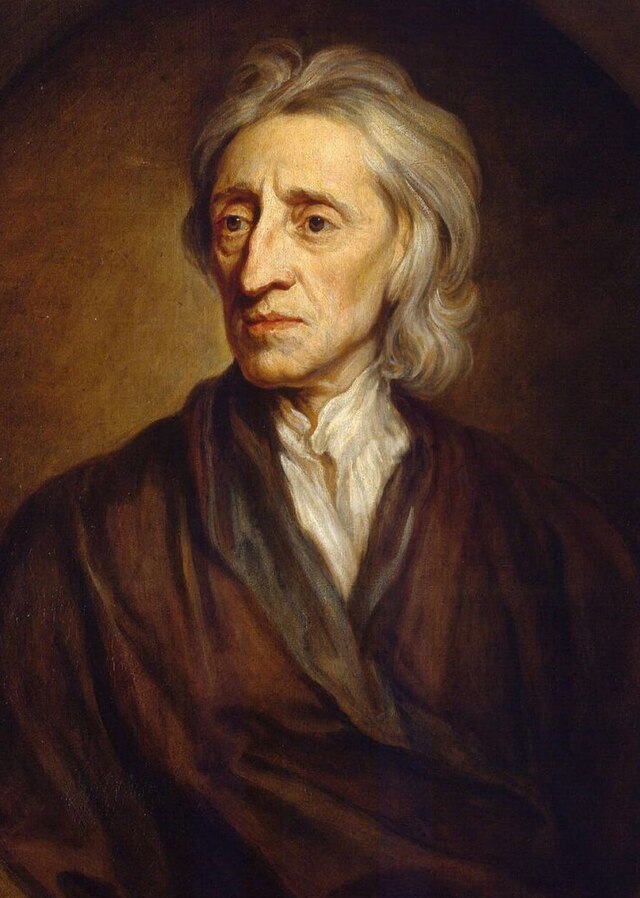
Who Was John Locke?
John Locke (1632-1704) was an English philosopher and physician, widely regarded as one of the most influential Enlightenment thinkers. He is often called the “Father of Liberalism” due to his contributions to political philosophy, particularly his ideas on natural rights, government, and the social contract. Locke’s work laid the intellectual foundation for the development of modern democracy and significantly influenced the founding principles of the United States.
Locke’s Teachings on Rhetoric
Locke’s approach to rhetoric was shaped by his broader philosophical inquiries into human understanding and the nature of knowledge. In his seminal work, “An Essay Concerning Human Understanding,” Locke emphasized the importance of clear and precise language as a tool for effective communication and the conveyance of ideas. He was critical of the use of ornate and overly decorative language, which he believed could obscure meaning and lead to misunderstanding. Locke advocated for simplicity and clarity in speech and writing, asserting that the primary purpose of language is to communicate ideas accurately and efficiently.
Locke’s Influence in the Study of Rhetoric and Communication
Locke’s emphasis on clarity and precision had a profound impact on the study of rhetoric and communication. His critique of rhetorical excesses and his advocacy for straightforward, unambiguous language resonated with later thinkers and educators who sought to reform rhetorical education. Locke’s ideas contributed to a shift away from the classical emphasis on stylistic flourish towards a more pragmatic approach to rhetoric, focusing on the effective transmission of ideas. This shift influenced the development of modern rhetorical theory and practice, emphasizing the importance of audience understanding and the ethical use of language. Locke’s work remains relevant today, as his principles of clear communication continue to inform contemporary debates on language, education, and public discourse.
*Content on this page was curated and edited by expert humans with the creative assistance of AI.