
Skip to content
The Comm Spot The Comm Spot

It's All About Communication

  • HOME
  • ABOUT
    • Meet the Creator: Curtis Newbold, PhD
    • Hire Curtis
    • Publish with Us
    • Contact
    • Privacy Notice
  • COMM-BASICS
    • Glossary
    • Citation & Style Guides
      • AP Style (Journalism)
        • AP Style Overview
        • AP Style Guidelines
        • Media Ethics – SPJ Code of Ethics
        • Elements of Newsworthiness
      • APA Style
        • APA Format – Overview
        • APA - References Guidelines
        • APA - In-text Citations
        • APA - Citing Authors
        • APA - Audiovisual Media
        • APA - Books
        • APA - Digital Sources
        • APA - Events & Interactions
        • APA - Periodicals
        • APA - Print Sources (other than books)
      • Chicago Style
        • Chicago – Overview
        • Chicago - Author-Date System
        • Chicago - Notes-Bibliography System
        • Chicago - In-text Citations
        • Chicago Style - Citing Authors
        • Chicago - Audiovisual Media
        • Chicago - Books
        • Chicago - Digital Sources
        • Chicago - Events and Interactions
        • Chicago - Citing Periodicals
        • Chicago - Print Sources (other than books)
      • MLA Style
        • MLA Overview
        • MLA Works Cited Pages
        • MLA In-text Citations
        • MLA – Authors
        • MLA – Audiovisual Media
        • MLA – Books
        • MLA – Digital Sources
        • MLA – Events & Interactions
        • MLA – Periodicals
        • MLA – Print Sources (other than books)
    • Rhetoric
      • Overview of Rhetoric
      • Rhetorical Appeals (Rhetorical Triangle)
      • Branches of Oratory
      • Canons of Rhetoric
      • Rhetorical Devices
      • Kairos
      • Topos
      • Key Figures in Rhetoric
    • Research Methods
      • Case Studies
      • Competitor Analysis
      • Content Analysis
      • Discourse Analysis
      • Ethnography
      • Focus Groups
      • Observation Research
      • S.W.O.T. Analysis
      • Secondary Research
      • Surveys
      • Target Market Analysis
      • Usability Testing
      • Visual Analysis
    • Theories
    • Thinkers
  • COMM-SUBJECTS
    • Interpersonal Communication
      • Active Listening
      • Body Language
      • Conflict Management
      • Emotional Intelligence
        • Emotional Intelligence Overview
        • Self-Awareness
        • Self-Regulation
        • Motivation
        • Empathy
        • Social Skills
        • Emotional Intelligence Resources
      • Feedback
      • Negotiation
        • Overview of Negotiation
        • Negotiation Skills
        • Negotiation Strategies & Techniques
        • Stages of Negotiation
        • Common Negotiation Scenarios
        • Negotiation Case Studies & Examples
        • Negotiation Tools & Resources
        • Negotiation FAQ
    • Journalism
    • Public Speaking
      • General Guidelines
      • Overcoming Fear
      • Speech Writing and Organization
      • Delivery Techniques
      • Body Language
      • Audience Engagement
      • Storytelling
      • Designing Slides
      • P.O.W.E.R.F.U.L. Presentation Method
    • Strategic Communication
      • Business & Org Comm
        • Definition & History
        • Org Comm Theories
        • Business Documents
        • Change Management
        • Employee Relations
        • Employment Communication
        • Group & Team Communication
        • Leadership Communication
        • Power, Identity, & Ethics at Work
        • Project Management
      • Integrated Marketing Comm
        • Definition of IMC
        • Core Principles of IMC
        • IMC Planning
        • Audience Segmentation
        • Marketing Channels
        • Message Strategies
        • Campaign Measurement & Evaluation
        • Trends & Innovations in IMC
        • Challenges & Pitfalls in IMC
        • Careers & Roles in IMC
      • Public Relations
        • Foundations in PR
        • Strategic Practice
        • Tools & Tactics
        • Research & Analysis
        • Professional Development
      • Case Studies in Strat Comm
    • Technical & Scientific Communication
    • Visual Communication
      • Data Visualization
      • Information Design
      • Photography
      • Web Design
    • Written Communication
      • Writing Process
      • Organizational Methods
        • Five Paragraph Essay
        • Hourglass Method of Writing
        • IMRaD Format (Science)
        • Indirect Method (Bad News)
        • Inverted Pyramid (Journalism)
        • Martini Glass
        • Narrative Format
        • Proposal Format
        • Rogerian Method
        • Toulmin Method
      • Plain Language
        • Audience (Plain Language)
        • Organization (Plain Language)
        • Conversation (Plain Language)
        • Simplicity (Plain Language)
        • Word Choice (Plain Language)
        • Sentence Structure (Plain Language)
        • Design (Plain Language)
      • Punctuation
        • Apostrophes
        • Brackets
        • Colons
        • Commas
        • Ellipses
        • Em Dashes
        • En Dashes
        • Exclamation Marks
        • Hyphens
        • Parentheses
        • Periods
        • Question Marks
        • Quotation Marks
        • Semicolons
      • Style
        • Clarity
        • Conciseness
        • Consistency
        • Editing
        • Flow
        • Rhetorical Devices
        • Sentence Structure
        • Storytelling
        • Tone
        • Voice
        • Word Choice
  • RESOURCES
    • Teaching Resources
      • Assignments & Activities
      • Instructional Design
      • Pedagogies
  • BLOGS
    • The Spotlight Blog
    • Comm Sparks
  • SHOP
    • Cart
    • Checkout
0
The Comm Spot
The Comm Spot

It's All About Communication

Kairos

Home >Communication Basics >Rhetoric >Kairos

Kairos refers to the opportune moment or the most effective timing for delivering a message. Originating from ancient Greek philosophy, kairos emphasizes the importance of context and timing in persuasion. Unlike chronos, which denotes chronological or sequential time, kairos is qualitative and situational, focusing on the ‘right’ or ‘critical’ moment to make an argument most impactful. In rhetoric, kairos involves recognizing and seizing the perfect moment to convey a message in a way that resonates deeply with the audience, leveraging the current circumstances, mood, and environment.

The Importance of Kairos

Kairos matters because even the most compelling argument can fall flat if presented at an inopportune time. Understanding kairos allows communicators to enhance the relevance and persuasive power of their message. For example, a speech about environmental conservation delivered right after a major natural disaster can have a far greater impact than the same speech given in a different context. Kairos integrates the dimensions of timeliness and context, ensuring that the message is not only heard but also felt and remembered. This sensitivity to timing can significantly enhance the effectiveness of rhetoric, making it a powerful tool in both public speaking and written communication.

Using Kairos Effectively

To use kairos effectively in communications, one must be keenly aware of the audience, context, and timing. First, understand the audience’s current emotions, needs, and expectations. Tailoring the message to align with these factors can make it more compelling. Second, observe the broader context, including current events and cultural climate, to find the most opportune moment to introduce your argument. Lastly, deliver your message at a time when it can achieve maximum impact, whether that’s during a critical juncture in a debate, a moment of crisis, or a period of heightened interest. By blending content with the perfect timing, communicators can harness the power of kairos to persuade and inspire more effectively.


Examples of Effective and Ineffective Use of Kairos

Effective Use of Kairos: Martin Luther King Jr.’s “I Have a Dream” Speech
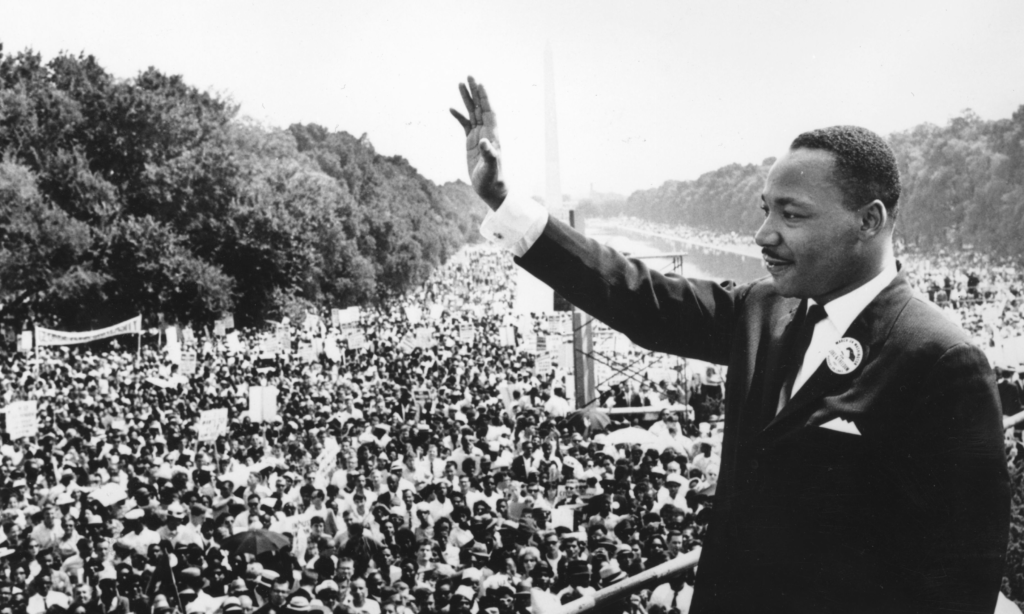
One of the most powerful examples of kairos in action is Martin Luther King Jr.’s “I Have a Dream” speech delivered during the March on Washington for Jobs and Freedom on August 28, 1963. The timing of this speech was impeccable. The Civil Rights Movement was at a critical juncture, and the nation was grappling with profound issues of racial inequality and injustice. By delivering his speech at this historical moment, King was able to galvanize the movement, capture the nation’s attention, and articulate a vision of equality and justice that resonated deeply with the audience. The timing amplified the impact of his message, making it a cornerstone of the Civil Rights Movement and a defining moment in American history.

Effective Use of Kairos: Apple’s iPhone Launch

Another example of effective kairos is Apple’s introduction of the first iPhone in 2007. At that time, the mobile phone market was becoming increasingly competitive, and consumers were ready for innovation that integrated various digital tools into one device. Apple’s CEO, Steve Jobs, recognized this opportune moment to unveil a product that combined a phone, an iPod, and an internet communicator. The timing of the launch capitalized on the rising demand for smart technology and connectivity, which made the iPhone an instant sensation. The strategic timing of this announcement not only captured widespread media attention but also positioned Apple as a leader in the tech industry, revolutionizing the way people interact with technology.

Ineffective Use of Kairos: Pepsi’s Kendall Jenner Ad

A stark example of poor use of kairos is the controversial Pepsi commercial featuring Kendall Jenner, released in April 2017. The ad depicted Jenner diffusing a protest by offering a police officer a can of Pepsi. At the time, the United States was experiencing significant tension and activism surrounding issues of police brutality and racial injustice, particularly related to the Black Lives Matter movement. The ad was widely criticized for trivializing and exploiting serious social issues for commercial gain. The timing was particularly insensitive, as it appeared to undermine the genuine struggles and protests happening across the country. Instead of resonating with the audience, the ad sparked outrage and backlash, demonstrating how mistimed messages can lead to significant reputational damage.

These examples illustrate the profound impact kairos can have on the effectiveness of communication. When messages are timed to align with the audience’s emotions, needs, and the broader context, they can inspire, persuade, and lead to significant change. Conversely, messages delivered at inopportune moments can backfire, causing harm to the communicator’s credibility and reputation.


*Content on this page was curated and edited by expert humans with the creative assistance of AI.

  • facebook
  • instagram
  • linkedin

DON'T MISS ANY SPOT-ON TIPS!

We don't spam! You'll only get emails when we post something awesome.
You can unsubscribe at any time.

Check your inbox or spam folder to confirm your subscription.

©2025 | The Comm Spot | By Newbold Communication & Design