
Skip to content
The Comm Spot The Comm Spot

It's All About Communication

  • HOME
  • ABOUT
    • Meet the Creator: Curtis Newbold, PhD
    • Hire Curtis
    • Publish with Us
    • Contact
    • Privacy Notice
  • COMM-BASICS
    • Glossary
    • Citation & Style Guides
      • AP Style (Journalism)
        • AP Style Overview
        • AP Style Guidelines
        • Media Ethics – SPJ Code of Ethics
        • Elements of Newsworthiness
      • APA Style
        • APA Format – Overview
        • APA - References Guidelines
        • APA - In-text Citations
        • APA - Citing Authors
        • APA - Audiovisual Media
        • APA - Books
        • APA - Digital Sources
        • APA - Events & Interactions
        • APA - Periodicals
        • APA - Print Sources (other than books)
      • Chicago Style
        • Chicago – Overview
        • Chicago - Author-Date System
        • Chicago - Notes-Bibliography System
        • Chicago - In-text Citations
        • Chicago Style - Citing Authors
        • Chicago - Audiovisual Media
        • Chicago - Books
        • Chicago - Digital Sources
        • Chicago - Events and Interactions
        • Chicago - Citing Periodicals
        • Chicago - Print Sources (other than books)
      • MLA Style
        • MLA Overview
        • MLA Works Cited Pages
        • MLA In-text Citations
        • MLA – Authors
        • MLA – Audiovisual Media
        • MLA – Books
        • MLA – Digital Sources
        • MLA – Events & Interactions
        • MLA – Periodicals
        • MLA – Print Sources (other than books)
    • Rhetoric
      • Overview of Rhetoric
      • Rhetorical Appeals (Rhetorical Triangle)
      • Branches of Oratory
      • Canons of Rhetoric
      • Rhetorical Devices
      • Kairos
      • Topos
      • Key Figures in Rhetoric
    • Research Methods
      • Case Studies
      • Competitor Analysis
      • Content Analysis
      • Discourse Analysis
      • Ethnography
      • Focus Groups
      • Observation Research
      • S.W.O.T. Analysis
      • Secondary Research
      • Surveys
      • Target Market Analysis
      • Usability Testing
      • Visual Analysis
    • Theories
    • Thinkers
  • COMM-SUBJECTS
    • Interpersonal Communication
      • Active Listening
      • Body Language
      • Conflict Management
      • Emotional Intelligence
        • Emotional Intelligence Overview
        • Self-Awareness
        • Self-Regulation
        • Motivation
        • Empathy
        • Social Skills
        • Emotional Intelligence Resources
      • Feedback
      • Negotiation
        • Overview of Negotiation
        • Negotiation Skills
        • Negotiation Strategies & Techniques
        • Stages of Negotiation
        • Common Negotiation Scenarios
        • Negotiation Case Studies & Examples
        • Negotiation Tools & Resources
        • Negotiation FAQ
    • Journalism
    • Public Speaking
      • General Guidelines
      • Overcoming Fear
      • Speech Writing and Organization
      • Delivery Techniques
      • Body Language
      • Audience Engagement
      • Storytelling
      • Designing Slides
      • P.O.W.E.R.F.U.L. Presentation Method
    • Strategic Communication
      • Business & Org Comm
        • Definition & History
        • Org Comm Theories
        • Business Documents
        • Change Management
        • Employee Relations
        • Employment Communication
        • Group & Team Communication
        • Leadership Communication
        • Power, Identity, & Ethics at Work
        • Project Management
      • Integrated Marketing Comm
        • Definition of IMC
        • Core Principles of IMC
        • IMC Planning
        • Audience Segmentation
        • Marketing Channels
        • Message Strategies
        • Campaign Measurement & Evaluation
        • Trends & Innovations in IMC
        • Challenges & Pitfalls in IMC
        • Careers & Roles in IMC
      • Public Relations
        • Foundations in PR
        • Strategic Practice
        • Tools & Tactics
        • Research & Analysis
        • Professional Development
      • Case Studies in Strat Comm
    • Technical & Scientific Communication
    • Visual Communication
      • Data Visualization
      • Information Design
      • Photography
      • Web Design
    • Written Communication
      • Writing Process
      • Organizational Methods
        • Five Paragraph Essay
        • Hourglass Method of Writing
        • IMRaD Format (Science)
        • Indirect Method (Bad News)
        • Inverted Pyramid (Journalism)
        • Martini Glass
        • Narrative Format
        • Proposal Format
        • Rogerian Method
        • Toulmin Method
      • Plain Language
        • Audience (Plain Language)
        • Organization (Plain Language)
        • Conversation (Plain Language)
        • Simplicity (Plain Language)
        • Word Choice (Plain Language)
        • Sentence Structure (Plain Language)
        • Design (Plain Language)
      • Punctuation
        • Apostrophes
        • Brackets
        • Colons
        • Commas
        • Ellipses
        • Em Dashes
        • En Dashes
        • Exclamation Marks
        • Hyphens
        • Parentheses
        • Periods
        • Question Marks
        • Quotation Marks
        • Semicolons
      • Style
        • Clarity
        • Conciseness
        • Consistency
        • Editing
        • Flow
        • Rhetorical Devices
        • Sentence Structure
        • Storytelling
        • Tone
        • Voice
        • Word Choice
  • RESOURCES
    • Teaching Resources
      • Assignments & Activities
      • Instructional Design
      • Pedagogies
  • BLOGS
    • The Spotlight Blog
    • Comm Sparks
  • SHOP
    • Cart
    • Checkout
0
The Comm Spot
The Comm Spot

It's All About Communication

Agility (project management)

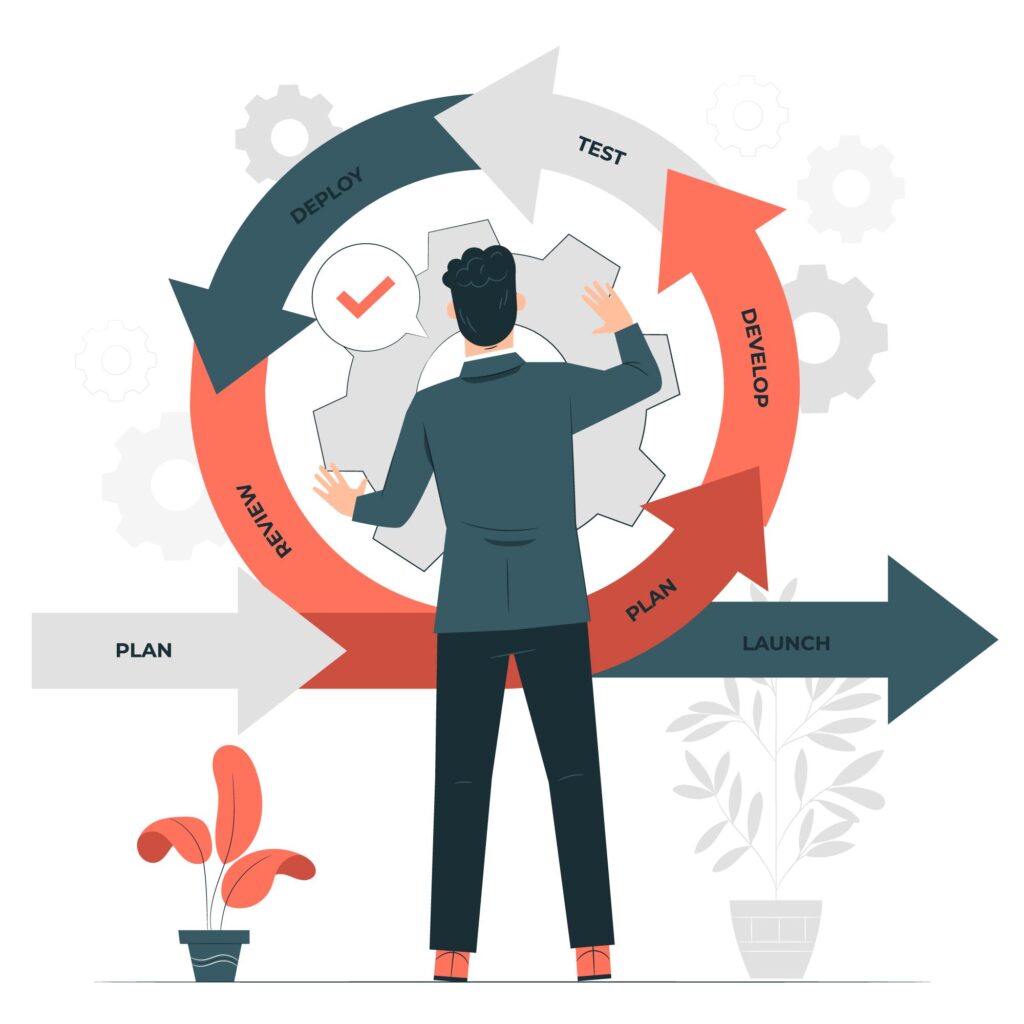
Agility infographic and definition in project management.
Home >Communication Basics >Glossary >Agility (project management)

Definition of Agility

Agility—a term often used in project management—is simultaneously a mindset and a set of practices for being both efficient and flexible. When a team is agile, it prioritizes continuous iteration while embracing change as an inevitable part of a project’s life cycle. Agile teams break down large projects into smaller, more manageable chunks called “sprints.” These sprints allow for frequent feedback loops where progress is reviewed and course corrections are made swiftly. Unlike traditional, linear project plans that can be stagnated by chains of command and siloed departments, agility thrives on collaboration and open communication. Team members from diverse disciplines work closely together, fostering a sense of shared ownership and responsibility for the project’s success.

Why Agility Matters in Today’s Business World

Agility has been widely embraced across industries, from software engineering to healthcare to construction and marketing. Becoming agile is no longer a luxury in a technologically driven and rapidly changing landscape. Today’s industries are more dynamic than ever, with evolving customer needs, emerging technologies, and unforeseen challenges constantly popping up. Becoming agile in business can help your team in the following ways:

  • Faster Time to Market: By breaking down projects into smaller chunks, agile teams can deliver features and functionalities quicker. This allows businesses to test the waters, receive early customer feedback, and iterate rapidly, ultimately getting products and services to market faster.
  • Enhanced Innovation: The collaborative nature of agile invites a culture of innovation. Frequent feedback loops allow teams to experiment with new ideas, adapt to changing market demands, and seize unexpected opportunities.
  • Improved Risk Management: Agile projects are designed to be adaptable. By constantly reevaluating progress and incorporating feedback, potential risks are identified and mitigated early on, preventing costly setbacks later in the development process.
  • Increased Team Morale: The collaborative and transparent nature of agile empowers teams. Team members feel valued, have a sense of ownership, and are more motivated to contribute their best work.

Agility isn’t just about speed; it’s about embracing change and fostering a culture of continuous learning and improvement. By adopting agile practices, businesses can thrive in today’s dynamic environment, delivering value faster and staying ahead of the curve.

Examples of Agile in Practice

Several frameworks and methodologies fall under the umbrella of agile project management. Some practical examples of agile integration include the following:

  • Daily Stand-up Meetings: These brief, daily meetings keep team members aligned on progress, identify roadblocks, and ensure everyone is on the same page.
  • User Stories: These concise descriptions of functionalities, from the user’s perspective, provide a clear roadmap for development.
  • Sprint Planning: At the beginning of each sprint, the team collaborates to define the goals and tasks for that specific iteration.
  • Sprint Reviews and Retrospectives: At the end of each sprint, the team showcases their work and reflects on their performance, identifying areas for improvement for the next sprint.

By incorporating these practices, project teams can embrace agility, navigate change effectively, and deliver successful projects in a fast-paced and ever-evolving business environment. Remember: agility isn’t a destination; it’s a continuous journey of learning, adapting, and thriving in the face of uncertainty.


*Content on this page was curated and edited by expert humans with the creative assistance of AI.

  • facebook
  • instagram
  • linkedin

DON'T MISS ANY SPOT-ON TIPS!

We don't spam! You'll only get emails when we post something awesome.
You can unsubscribe at any time.

Check your inbox or spam folder to confirm your subscription.

©2025 | The Comm Spot | By Newbold Communication & Design