
Overview / Introduction
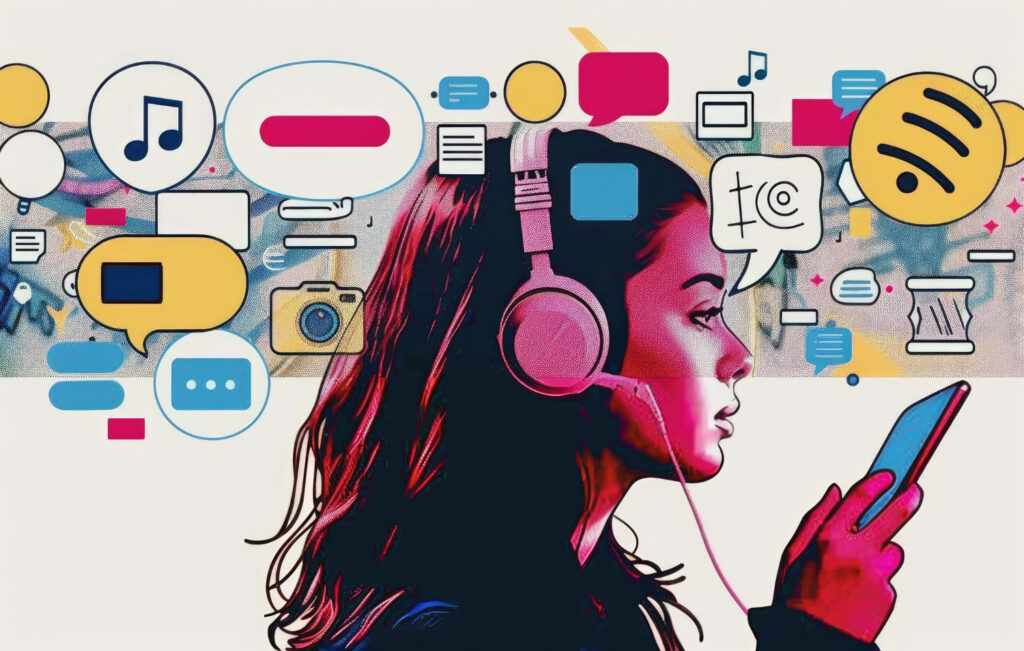
Social Listening and Sentiment Analysis are data-driven approaches used to understand how people talk about a brand, topic, or issue across digital and social platforms. While social listening involves tracking and analyzing online conversations, sentiment analysis uses computational tools to gauge emotional tone—positive, negative, or neutral. Together, these methods help communication professionals assess public opinion, detect emerging trends, and make informed strategic decisions in real time.
History and Background
The roots of social listening and sentiment analysis lie in the intersection of communication studies, computational linguistics, and marketing analytics. As social media became central to public discourse in the early 2000s, organizations began leveraging technology to monitor digital conversations for brand management, crisis prevention, and consumer insight.
- Early 2000s: Social listening emerged as a subfield of digital public relations and brand monitoring.
- Mid-2000s: Advances in natural language processing (NLP) and machine learning enabled automated sentiment detection.
- 2010s: Platforms like Hootsuite, Brandwatch, Sprout Social, and Meltwater made social listening mainstream.
- Today: These tools are integrated into AI-driven dashboards that analyze tone, emotion, and engagement across multiple channels.
In modern communication strategy, social listening and sentiment analysis provide a real-time feedback loop between organizations and their audiences—something traditional media research could only approximate.
Core Concepts
Social Listening and Sentiment Analysis complement each other as two halves of a comprehensive digital insight framework.
1. Social Listening
The process of monitoring online conversations about a brand, campaign, or issue across social media, blogs, forums, and news sites.
- Goes beyond counting mentions to analyze themes, influencers, and context.
- Reveals what audiences are saying, sharing, and feeling about a topic.
- Helps organizations identify emerging issues before they escalate.
2. Sentiment Analysis
A computational technique that uses natural language processing (NLP) and machine learning to interpret emotional tone in text data.
- Classifies sentiment as positive, negative, or neutral, with some tools offering finer distinctions (e.g., joyful, angry, concerned).
- Evaluates emotion at scale—analyzing thousands of posts, tweets, or comments quickly.
- Provides quantitative measures of public mood surrounding events, products, or campaigns.
3. Listening vs. Monitoring
- Monitoring tracks mentions or keywords; it’s reactive.
- Listening interprets meaning and emotion; it’s proactive and strategic.
Social listening looks for insights, not just instances.
4. Data Sources
Typical social listening systems analyze data from:
- Social Media Platforms: X (Twitter), Instagram, Facebook, LinkedIn, TikTok.
- Online Communities: Reddit, Quora, and brand forums.
- News and Blogs: Editorial commentary, press coverage, and influencer posts.
- Consumer Reviews: Sites like Yelp, Amazon, or Google Reviews.
Applications
Social Listening and Sentiment Analysis are central to modern public relations, marketing, customer service, and reputation management strategies.
- Crisis Detection and Response: Identify negative trends early to intervene before issues escalate.
- Brand Reputation Management: Monitor perceptions and measure shifts in public trust over time.
- Campaign Evaluation: Gauge audience reaction and emotional response to advertising or PR efforts.
- Customer Experience Management: Identify pain points, frequently mentioned issues, or positive feedback loops.
- Competitor Benchmarking: Compare sentiment across brands or industries.
- Trend Forecasting: Spot emerging topics, hashtags, or behaviors that signal cultural or market change.
- Corporate Social Responsibility (CSR): Track public perception of sustainability, ethics, and social impact efforts.
In short, these tools turn unstructured online chatter into actionable communication intelligence.
Strengths and Contributions
Social listening and sentiment analysis enhance strategic communication by connecting organizations to the pulse of public conversation in real time.
- Provide data-driven insights for decision-making.
- Enable real-time response during crises or high-visibility events.
- Quantify audience sentiment and brand perception.
- Reveal cultural and linguistic nuances that shape message reception.
- Support integrated marketing communication (IMC) by aligning digital, PR, and advertising insights.
- Enhance stakeholder relationship management through continuous dialogue tracking.
These methods bring empirical rigor to the art of listening—transforming digital communication into measurable intelligence.
Criticisms and Limitations
Despite their power, social listening and sentiment analysis face challenges tied to data quality, interpretation, and ethics.
- Ambiguity and Sarcasm: NLP models struggle with irony, slang, and cultural idioms.
- Data Bias: Algorithms may overrepresent certain demographics or platforms.
- Privacy Concerns: Collecting and analyzing user data raises ethical questions.
- Contextual Gaps: Sentiment scores alone can’t capture deeper motivations or reasoning.
- Noise vs. Insight: Large data volumes require skilled interpretation to separate meaningful trends from background chatter.
- Language Limitations: Accuracy drops in multilingual or mixed-language environments.
Therefore, sentiment data should complement—not replace—human judgment and qualitative analysis.
Key Scholars, Frameworks, and Tools
Although social listening is a practical methodology rather than a traditional theory, it draws from academic foundations in communication research, linguistics, and computer science.
Scholarly Foundations
- Kaplan, A. M., & Haenlein, M. (2010). “Users of the World, Unite! The Challenges and Opportunities of Social Media.” Business Horizons, 53(1), 59–68.*
- Thelwall, M., Buckley, K., & Paltoglou, G. (2012). “Sentiment Strength Detection for the Social Web.” Journal of the American Society for Information Science and Technology, 63(1), 163–173.*
- Pang, B., & Lee, L. (2008). “Opinion Mining and Sentiment Analysis.” Foundations and Trends in Information Retrieval, 2(1–2), 1–135.*
- Mayfield, A. (2008). What is Social Media? iCrossing.
- Coombs, W. T. (2007). Ongoing Crisis Communication: Planning, Managing, and Responding. Sage Publications.
Industry Tools and Platforms
- Brandwatch – Real-time sentiment tracking and visual dashboards.
- Hootsuite Insights – Integrated social media monitoring and analytics.
- Meltwater – Media intelligence and PR analytics platform.
- Sprout Social – Social listening, engagement, and reporting tools.
- Talkwalker – AI-driven analytics with emotion recognition capabilities.
- Google Trends / Social Mention – Free tools for tracking public conversations.
Related Theories and Frameworks
Social listening and sentiment analysis connect to several foundational theories in communication and media studies.
- Agenda-Setting Theory: Explains how media influence public priorities and what issues people discuss online.
- Framing Theory: Addresses how narratives shape sentiment and perception.
- Situational Theory of Publics: Identifies when audiences become active or vocal online.
- Uses and Gratifications Theory: Explores why users engage with social media and share opinions.
- Two-Step Flow Theory: Describes how influencers mediate information flow between organizations and publics.
These theoretical frameworks provide context for interpreting social listening data within human communication behavior.
Examples and Case Studies
Social Listening and Sentiment Analysis have become essential tools for understanding and managing brand perception in real time.
- Coca-Cola’s “Share a Coke” Campaign: Real-time listening identified consumer excitement and led to expanded personalization efforts.
- Nike’s Colin Kaepernick Ad (2018): Sentiment analysis showed initial polarization but long-term positive brand association.
- United Airlines (2017 Incident): Social listening revealed massive negative sentiment spikes, guiding the company’s crisis response.
- Starbucks “#RaceTogether” Initiative: Monitoring revealed negative sentiment trends, leading to campaign withdrawal and messaging revision.
- COVID-19 Public Health Messaging: Governments used sentiment tracking to adjust tone and trust-building strategies in real time.
- Netflix Content Strategy: Uses social listening to identify trending genres and guide production choices.
These examples illustrate how real-time listening transforms data into responsive, human-centered communication.
References and Further Reading
- Kaplan, A. M., & Haenlein, M. (2010). “Users of the World, Unite! The Challenges and Opportunities of Social Media.” Business Horizons, 53(1), 59–68.*
- Pang, B., & Lee, L. (2008). “Opinion Mining and Sentiment Analysis.” Foundations and Trends in Information Retrieval, 2(1–2), 1–135.*
- Thelwall, M., Buckley, K., & Paltoglou, G. (2012). “Sentiment Strength Detection for the Social Web.” JASIST, 63(1), 163–173.*
- Coombs, W. T. (2007). Ongoing Crisis Communication: Planning, Managing, and Responding. Sage Publications.
- Mayfield, A. (2008). What is Social Media? iCrossing.
- Crawford, K. (2021). Atlas of AI: Power, Politics, and the Planetary Costs of Artificial Intelligence. Yale University Press.
- Brandwatch (2024). The State of Social Listening Report. Brandwatch.com.
*Content on this page was curated and edited by expert humans with the creative assistance of AI.