
MLA formatting is a set of guidelines established by the Modern Language Association for writing academic papers and citing sources—particularly in the humanities—and it includes rules for formatting manuscripts, integrating in-text citations, and creating a works cited page.
When to Use MLA Format
MLA format is typically used in academic writing within the humanities, especially for subjects that involve the analysis of literature, language, culture, and related fields. This format is commonly applied in English literature, modern languages, comparative literature, cultural studies, literary criticism, and other disciplines that emphasize close reading, textual analysis, and the citation of a diverse range of sources, including books, articles, and multimedia. By adhering to MLA guidelines, writers ensure clarity, consistency, and proper attribution of sources, which is essential for scholarly communication and maintaining academic integrity in these fields.
MLA General Formatting Guidelines
- Margins and Spacing:
- Set 1-inch margins on all sides.
- Double-space the entire paper, including quotations, notes, and the works cited page.
- Header and Title:
- Include a header with your last name and page number in the upper right corner, half an inch from the top of the page.
- On the first page, include your name, your instructor’s name, the course, and the date in the upper left corner.
- Center the title of your paper, without underlining, italicizing, or placing it in quotation marks.
- Paragraphs and Indentation:
- Indent the first line of each paragraph one-half inch from the left margin.
- Use the Tab key for indentation.
- In-Text Citations:
- Use parenthetical citations within the text to attribute sources (e.g., (Smith 123)).
- Include the author’s last name and the page number from which the information was taken.
- Works Cited Page:
- Title the list of sources “Works Cited” and center it at the top of the page.
- Double-space all entries.
- Use a hanging indent for each entry, where the first line is flush with the left margin and subsequent lines are indented one-half inch.
- List entries alphabetically by the author’s last name.
Title Page (Optional)
In MLA format, a separate title page is generally not required, but if your instructor or organization requests one, it should include the title of the paper, your name, your instructor’s name, the course name, and the date, all centered and double-spaced.
Elements to Include on a Title Page in MLA Format:
- Title of the paper
- Your name
- Your instructor’s name
- Course name
- Date (in the format Day Month Year)
First Page
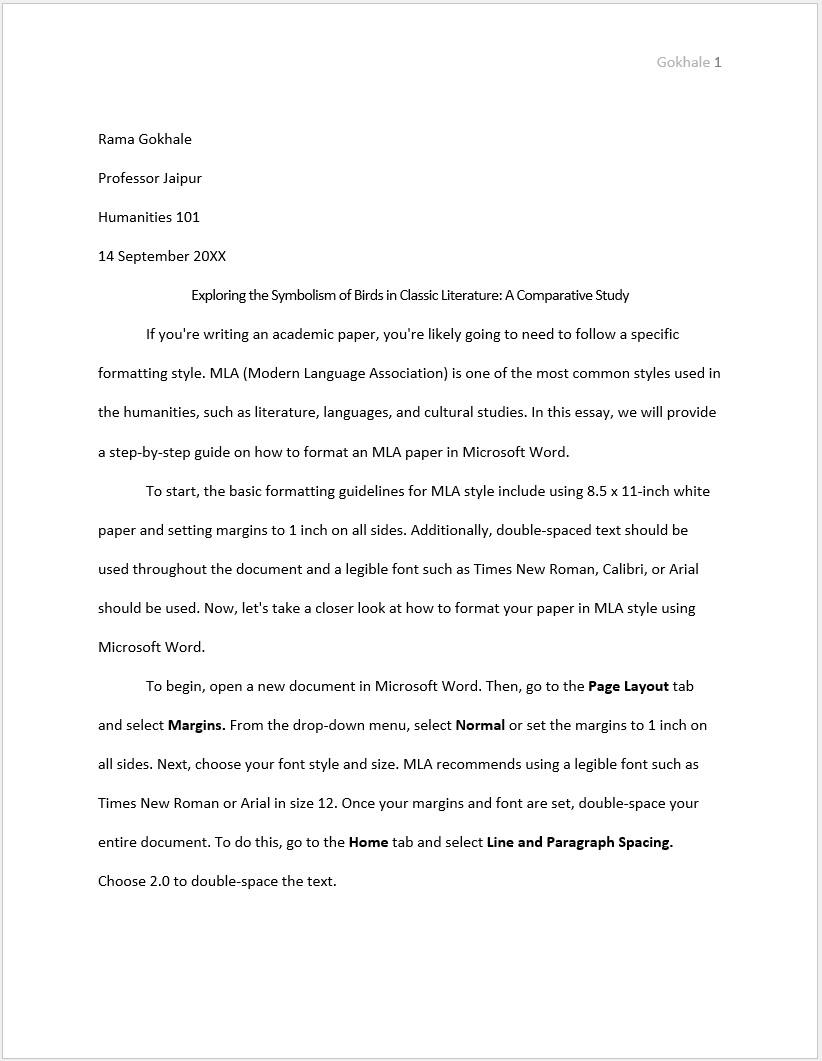
The first page of a paper should include your name, the instructor’s name, the course name, the date, and the title of the paper, all aligned to the left and double-spaced, followed by the main text beginning on the same page.
Elements to Include on the First Page in MLA Format:
- Name: Aligned to the left, at the top of the page.
- Instructor Name: Aligned to the left, below the student’s name.
- Course Name: Aligned to the left, below the instructor’s name.
- Date: Aligned to the left, below the course name, written in the format Day Month Year (e.g., 28 May 2024).
- Title of the Paper: Centered below the date, without underlining, italicizing, or placing in quotation marks.
- Main Text: Begins immediately below the title, with the first line of each paragraph indented one-half inch.
Header
The header of a paper includes the writer’s last name and the page number, aligned to the right margin and appearing on every page.
Elements to Include in a Header in MLA Format:
- Writer’s Last Name: Aligned to the right.
- Page Number: Aligned to the right, following the writer’s last name, with a space in between.
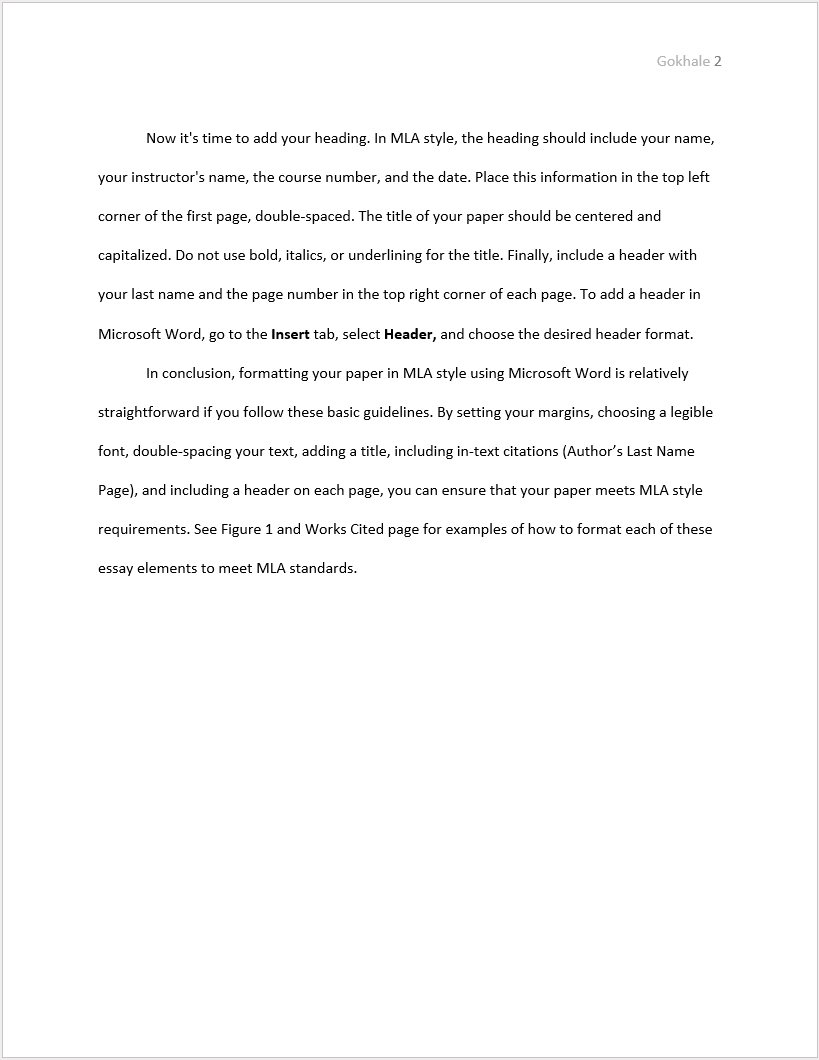
Table of Contents (Optional)
In MLA format, a table of contents is not typically required, but if your instructor or institution requires one, it should include a list of the major sections and subsections of the paper, along with their corresponding page numbers.
Elements to Include in a Table of Contents in MLA Format:
- Title: Centered and labeled “Table of Contents.”
- List of Major Sections: Each major section or chapter title.
- Subsections: Indented under the corresponding major sections, if applicable.
- Page Numbers: Aligned to the right for each section and subsection listed.
Content Pages and Headings
The content pages of a paper should present the main text with properly formatted headings to organize the content clearly, including the use of consistent heading styles for different levels of sections.
Elements to Include in Content Pages and Headings in MLA Format:
- Main Text: Double-spaced with 1-inch margins on all sides.
- Paragraph Indentation: First line of each paragraph indented one-half inch.
- Section Headings:
- Level 1 Heading: Centered, boldface, title case (e.g., “Introduction”).
- Level 2 Heading: Left-aligned, boldface, title case (e.g., “Literature Review”).
- Level 3 Heading: Left-aligned, italicized, title case (e.g., “Methodology”).
- Font and Size: Times New Roman, 12-point font.
- In-Text Citations: Parenthetical citations within the text (Smith 123).
Tables and Figures
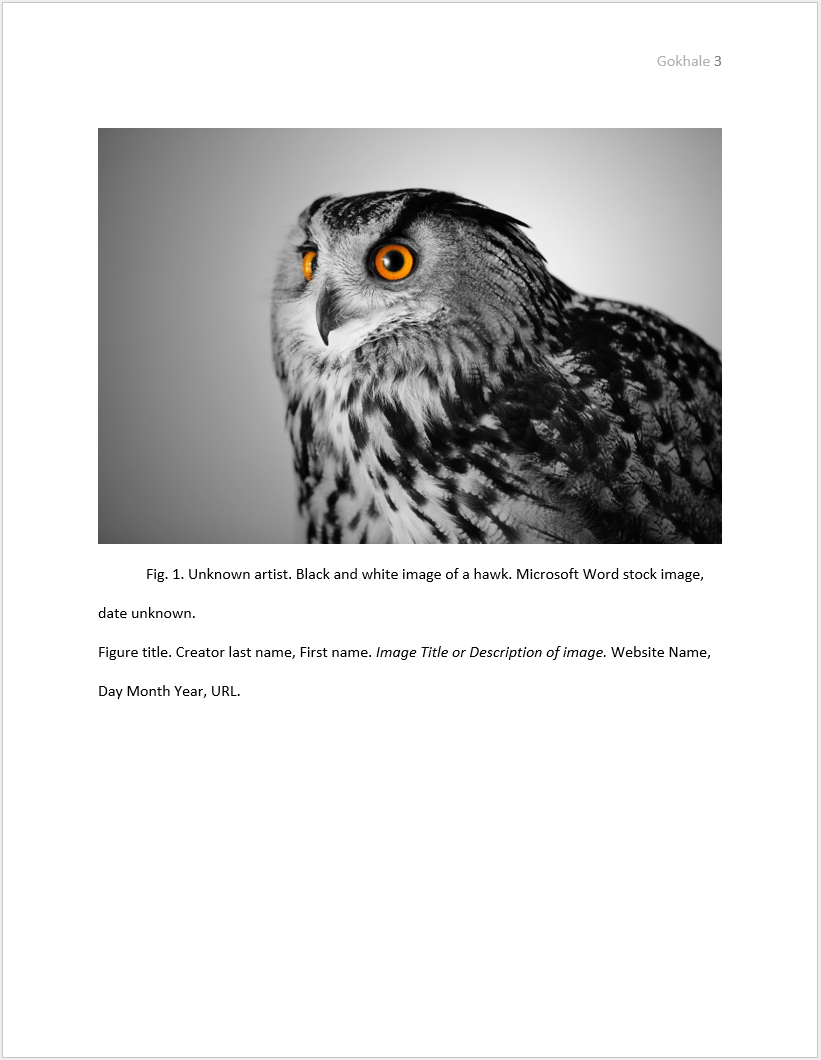
Tables and figures should be integrated within the text as close as possible to where they are mentioned, each labeled and numbered sequentially with a descriptive title and source information provided below.
Elements to Include with Tables and Figures in MLA Format:
- Label and Number: Each table and figure should be labeled (e.g., Table 1, Figure 1) and numbered consecutively.
- Descriptive Title: A clear, descriptive title should be provided for each table and figure, placed on the next line below the label and number.
- Table:
- Column Headings: Clearly labeled columns.
- Body: Data presented in rows and columns.
- Figure:
- Image, graph, or chart: Clear and relevant to the content
- Source Information: A caption or note below the table or figure providing source information and explanatory notes if needed, formatted as follows: “Note.” or “Source: [Source Information].”
Works Cited Page
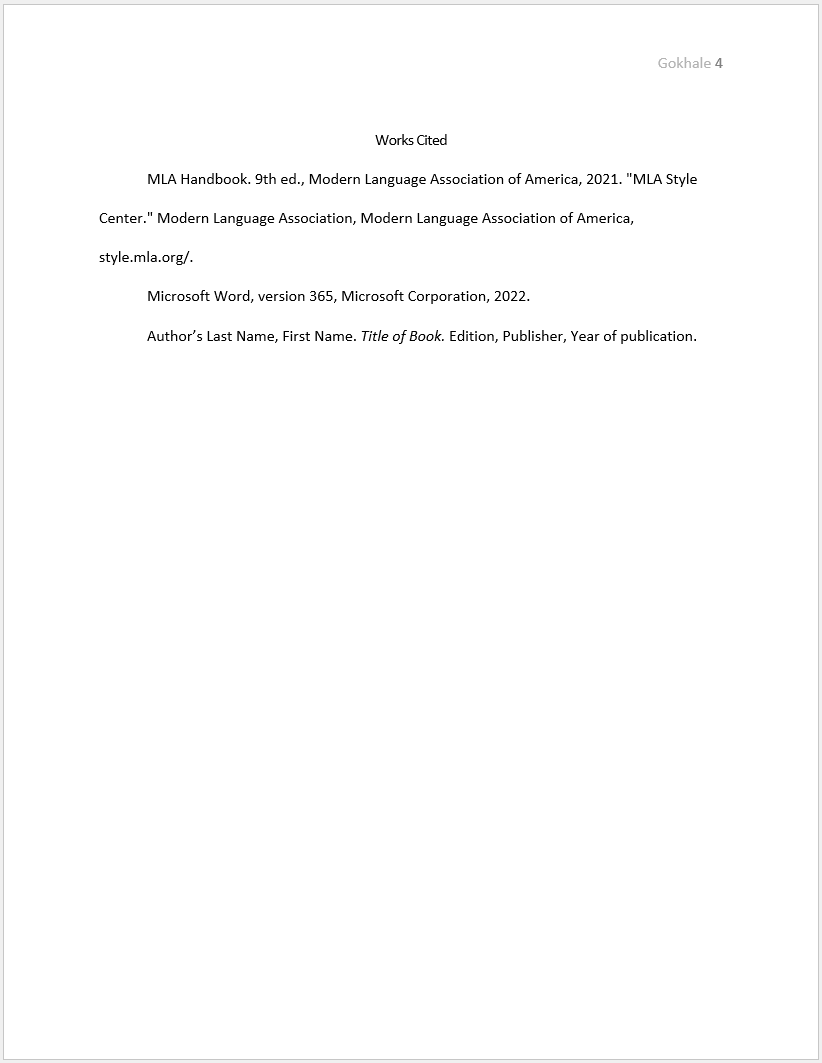
The works cited page is a separate page at the end of a paper that lists all the sources referenced in the text, formatted with specific details for each entry and organized alphabetically by the authors’ last names.
Elements to Include in Works Cited Pages in MLA Format:
- Title: Centered at the top of the page, labeled “Works Cited.”
- Entries: List of all sources cited in the paper, each with specific formatting.
- Author(s): Last name, First name of the author(s) for each entry.
- Title of Source: Title of the book, article, or work, in italics or quotation marks depending on the source type.
- Title of Container: Larger collection in which the source is located (e.g., a journal, a book series), in italics.
- Other Contributors: Editors, translators, and other contributors, if applicable.
- Version: Edition or version of the source, if applicable.
- Number: Volume and issue numbers for journal articles, if applicable.
- Publisher: Name of the publisher.
- Publication Date: Date of publication.
- Location: Page numbers for articles, DOI, URL, or physical location of the source.
Example Entry:
Smith, John. The Example Book. 2nd ed., Example Publisher, 2020.
For additional information on citing sources in MLA format, please check out the MLA Handbook, 9th ed. at style.mla.org.
*Content on this page was curated and edited by expert humans with the creative assistance of AI.