Skip to content
The Comm Spot The Comm Spot

It's All About Communication

  • HOME
  • ABOUT
    • Meet the Creator: Curtis Newbold, PhD
    • Hire Curtis
    • Publish with Us
    • Contact
    • Privacy Notice
  • COMM-BASICS
    • Glossary
    • Citation & Style Guides
      • AP Style (Journalism)
        • AP Style Overview
        • AP Style Guidelines
        • Media Ethics – SPJ Code of Ethics
        • Elements of Newsworthiness
      • APA Style
        • APA Format – Overview
        • APA - References Guidelines
        • APA - In-text Citations
        • APA - Citing Authors
        • APA - Audiovisual Media
        • APA - Books
        • APA - Digital Sources
        • APA - Events & Interactions
        • APA - Periodicals
        • APA - Print Sources (other than books)
      • Chicago Style
        • Chicago – Overview
        • Chicago - Author-Date System
        • Chicago - Notes-Bibliography System
        • Chicago - In-text Citations
        • Chicago Style - Citing Authors
        • Chicago - Audiovisual Media
        • Chicago - Books
        • Chicago - Digital Sources
        • Chicago - Events and Interactions
        • Chicago - Citing Periodicals
        • Chicago - Print Sources (other than books)
      • MLA Style
        • MLA Overview
        • MLA Works Cited Pages
        • MLA In-text Citations
        • MLA – Authors
        • MLA – Audiovisual Media
        • MLA – Books
        • MLA – Digital Sources
        • MLA – Events & Interactions
        • MLA – Periodicals
        • MLA – Print Sources (other than books)
    • Rhetoric
      • Overview of Rhetoric
      • Rhetorical Appeals (Rhetorical Triangle)
      • Branches of Oratory
      • Canons of Rhetoric
      • Rhetorical Devices
      • Kairos
      • Topos
      • Key Figures in Rhetoric
    • Research Methods
      • Case Studies
      • Competitor Analysis
      • Content Analysis
      • Discourse Analysis
      • Ethnography
      • Focus Groups
      • Observation Research
      • S.W.O.T. Analysis
      • Secondary Research
      • Surveys
      • Target Market Analysis
      • Usability Testing
      • Visual Analysis
    • Theories
    • Thinkers
  • COMM-SUBJECTS
    • Interpersonal Communication
      • Active Listening
      • Body Language
      • Conflict Management
      • Emotional Intelligence
        • Emotional Intelligence Overview
        • Self-Awareness
        • Self-Regulation
        • Motivation
        • Empathy
        • Social Skills
        • Emotional Intelligence Resources
      • Feedback
      • Negotiation
        • Overview of Negotiation
        • Negotiation Skills
        • Negotiation Strategies & Techniques
        • Stages of Negotiation
        • Common Negotiation Scenarios
        • Negotiation Case Studies & Examples
        • Negotiation Tools & Resources
        • Negotiation FAQ
    • Journalism
    • Public Speaking
      • General Guidelines
      • Overcoming Fear
      • Speech Writing and Organization
      • Delivery Techniques
      • Body Language
      • Audience Engagement
      • Storytelling
      • Designing Slides
      • P.O.W.E.R.F.U.L. Presentation Method
    • Strategic Communication
      • Business & Org Comm
        • Definition & History
        • Org Comm Theories
        • Business Documents
        • Change Management
        • Employee Relations
        • Employment Communication
        • Group & Team Communication
        • Leadership Communication
        • Power, Identity, & Ethics at Work
        • Project Management
      • Integrated Marketing Comm
        • Definition of IMC
        • Core Principles of IMC
        • IMC Planning
        • Audience Segmentation
        • Marketing Channels
        • Message Strategies
        • Campaign Measurement & Evaluation
        • Trends & Innovations in IMC
        • Challenges & Pitfalls in IMC
        • Careers & Roles in IMC
      • Public Relations
        • Foundations in PR
        • Strategic Practice
        • Tools & Tactics
        • Research & Analysis
        • Professional Development
      • Case Studies in Strat Comm
    • Technical & Scientific Communication
    • Visual Communication
      • Data Visualization
      • Information Design
      • Photography
      • Web Design
    • Written Communication
      • Writing Process
      • Organizational Methods
        • Five Paragraph Essay
        • Hourglass Method of Writing
        • IMRaD Format (Science)
        • Indirect Method (Bad News)
        • Inverted Pyramid (Journalism)
        • Martini Glass
        • Narrative Format
        • Proposal Format
        • Rogerian Method
        • Toulmin Method
      • Plain Language
        • Audience (Plain Language)
        • Organization (Plain Language)
        • Conversation (Plain Language)
        • Simplicity (Plain Language)
        • Word Choice (Plain Language)
        • Sentence Structure (Plain Language)
        • Design (Plain Language)
      • Punctuation
        • Apostrophes
        • Brackets
        • Colons
        • Commas
        • Ellipses
        • Em Dashes
        • En Dashes
        • Exclamation Marks
        • Hyphens
        • Parentheses
        • Periods
        • Question Marks
        • Quotation Marks
        • Semicolons
      • Style
        • Clarity
        • Conciseness
        • Consistency
        • Editing
        • Flow
        • Rhetorical Devices
        • Sentence Structure
        • Storytelling
        • Tone
        • Voice
        • Word Choice
  • RESOURCES
    • Teaching Resources
      • Assignments & Activities
      • Instructional Design
      • Pedagogies
  • BLOGS
    • The Spotlight Blog
    • Comm Sparks
  • SHOP
    • Cart
    • Checkout
0
The Comm Spot
The Comm Spot

It's All About Communication

Heat Map (Matrix) – Data Visualization

Home >COMM-Subjects >Visual Communication >Data Visualization >Types of Data Visualizations (Charts and Graphs) >Heat Map (Matrix) – Data Visualization

Heatmap Matrix: How to Show Patterns, Relationships, and Intensity in Tables

A heatmap matrix helps reveal patterns inside a grid of data. Use it to transform rows and columns of numbers into a visual field where color highlights trends, clusters, and outliers.

Turn to a heatmap matrix when comparisons across many categories become hard to read in a table. Instead of scanning numbers, the viewer can quickly spot where values are high, low, or changing.


What a Heatmap Matrix Is

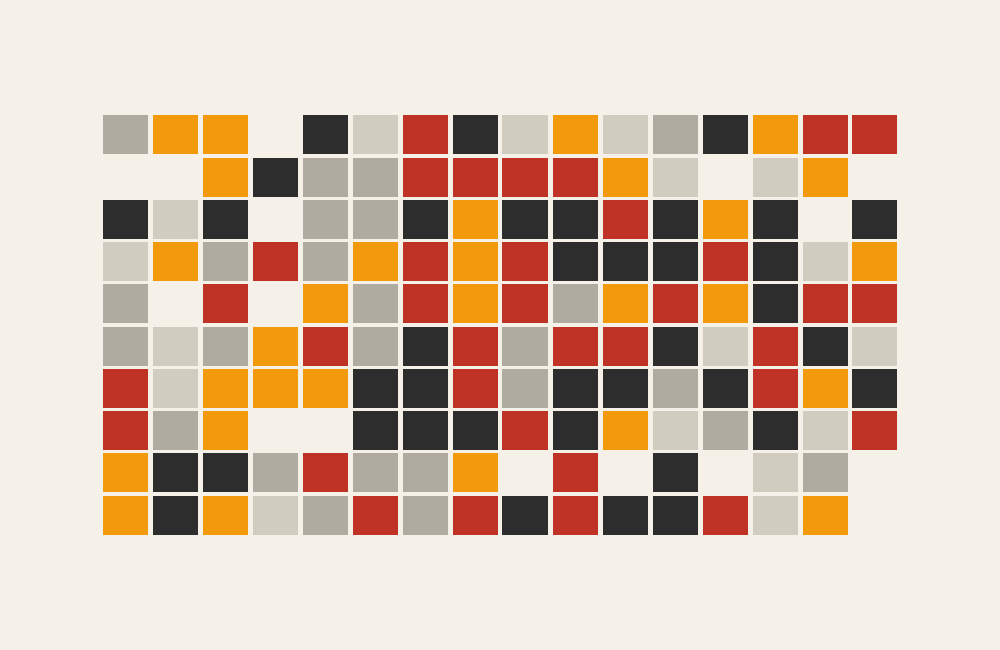
A heatmap matrix displays values using a grid where each cell is colored based on magnitude. Rows and columns represent categories, while color intensity communicates the underlying data.

Common elements include:

  • A grid layout similar to a table
  • Color scales that represent value ranges
  • Labels for rows and columns
  • A legend explaining the color mapping

Heatmap matrices emphasize pattern recognition. They make it easier to see trends across large datasets without focusing on exact numbers.


When to Use a Heatmap Matrix

Use a heatmap matrix when relationships across two categorical dimensions matter.

This visual works especially well when the goal is to:

  • Reveal correlations or relationships
  • Highlight peaks, gaps, or clusters
  • Compare performance across categories and time
  • Show activity or frequency patterns
  • Make dense tables easier to interpret

A heatmap matrix works best when the purpose is to help viewers scan for patterns rather than read individual values.


Types of Data Sets That Work Best for a Heatmap Matrix

Heatmap matrices work best with structured, grid-based data.

Strong candidates include:

  • Correlation matrices
  • Survey responses across multiple questions
  • Activity by hour and day
  • Performance metrics by category and period
  • Website traffic by page and time
  • Experimental results across variables

Each cell should represent a meaningful comparison between two dimensions.


Real-World Examples of a Heatmap Matrix

Heatmap matrices appear in analytics, research, and dashboards whenever large grids of values need to be understood quickly.

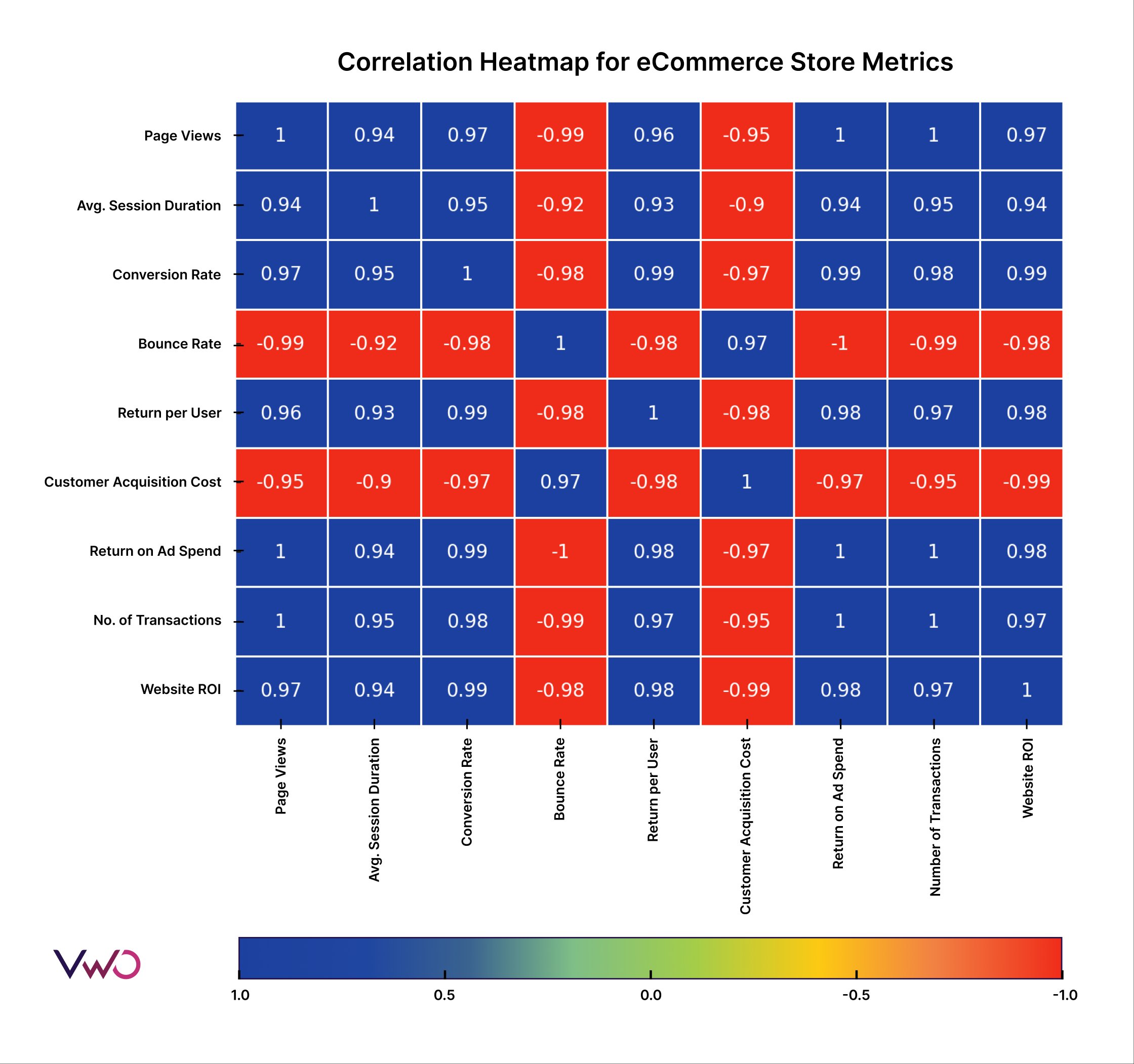
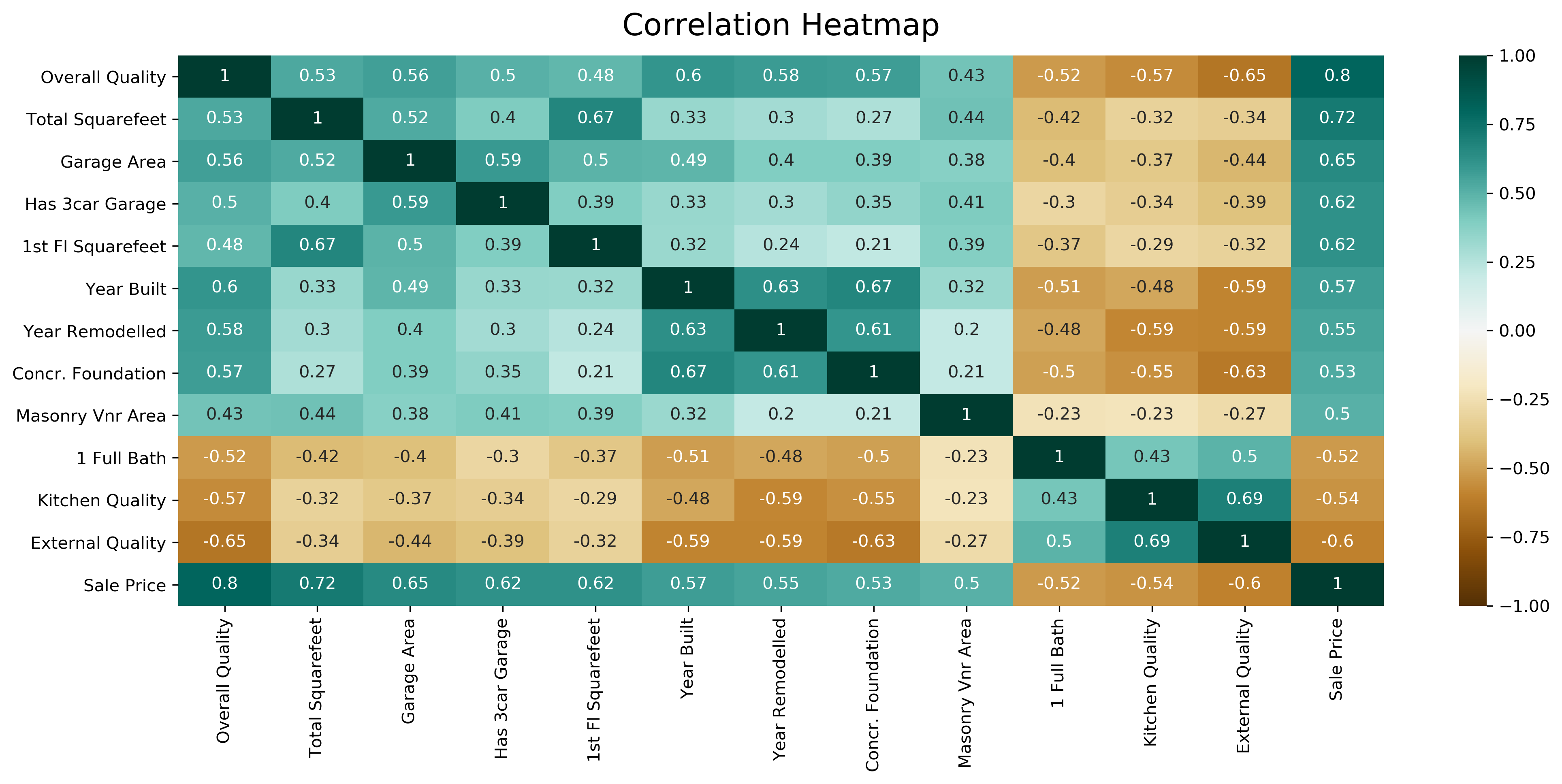
Correlation or Relationship Analysis
https://miro.medium.com/1%2Abrq_vvcnVqsOWoVvsjT0pA.png
https://datavizcatalogue.com/methods/images/top_images/SVG/heatmap.svg

4

Highlight relationships between variables and reveal strong or weak associations at a glance.


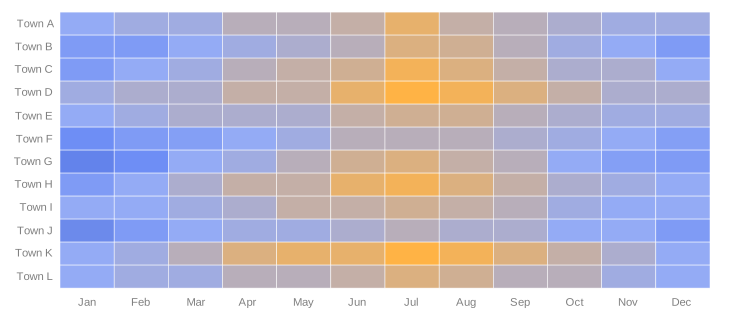
Activity by Time and Day

https://www.researchgate.net/publication/333867743/figure/fig1/AS%3A771428257394690%401560934237643/Heat-map-for-time-spent-on-activities-by-day-of-the-week-only-29-of-69-activities.png
https://communities.sas.com/t5/image/serverpage/image-id/25682iD46A4C6DE833B9DC/image-size/large?px=999&v=v2
https://static.wingify.com/gcp/uploads/2024/08/11.png

Show when engagement or activity is highest across recurring time intervals.


Survey or Assessment Results

https://www.researchgate.net/publication/350575807/figure/fig1/AS%3A1010905043193856%401618029952020/Heatmap-plot-representing-the-correlation-matrix-between-numerical-variables-to-be.png

Compare responses across questions and participant groups without overwhelming viewers with numbers.


Experimental or Research Data

https://www.researchgate.net/publication/344551746/figure/fig5/AS%3A944565062225920%401602213268569/Heatmap-of-comparison-model-grid-search-results-R-2.ppm

Display outcomes across multiple variables and conditions in a compact visual form.


What to Avoid or Be Careful Of with a Heatmap Matrix

❌ Don’t rely on color without a legend
Clear scales are essential so viewers understand what the colors represent.

❌ Don’t choose confusing color gradients
Color choices strongly affect interpretation. Use intuitive and accessible palettes.

❌ Don’t overload with too many categories
Large matrices can become difficult to read. Consider grouping or filtering when necessary.

❌ Don’t hide important values
Annotations or tooltips can help when exact numbers matter alongside patterns.

❌ Don’t use it when a simple chart would do
Heatmap matrices are best for dense comparisons. For small datasets, bars or lines may communicate more clearly.


*Content on this page was curated and edited by expert humans with the creative assistance of AI.

  • facebook
  • instagram
  • linkedin

DON'T MISS ANY SPOT-ON TIPS!

We don't spam! You'll only get emails when we post something awesome.
You can unsubscribe at any time.

Check your inbox or spam folder to confirm your subscription.

©2025 | The Comm Spot | By Newbold Communication & Design