
Skip to content
The Comm Spot The Comm Spot

It's All About Communication

  • HOME
  • ABOUT
    • Meet the Creator: Curtis Newbold, PhD
    • Hire Curtis
    • Publish with Us
    • Contact
    • Privacy Notice
  • COMM-BASICS
    • Glossary
    • Citation & Style Guides
      • AP Style (Journalism)
        • AP Style Overview
        • AP Style Guidelines
        • Media Ethics – SPJ Code of Ethics
        • Elements of Newsworthiness
      • APA Style
        • APA Format – Overview
        • APA - References Guidelines
        • APA - In-text Citations
        • APA - Citing Authors
        • APA - Audiovisual Media
        • APA - Books
        • APA - Digital Sources
        • APA - Events & Interactions
        • APA - Periodicals
        • APA - Print Sources (other than books)
      • Chicago Style
        • Chicago – Overview
        • Chicago - Author-Date System
        • Chicago - Notes-Bibliography System
        • Chicago - In-text Citations
        • Chicago Style - Citing Authors
        • Chicago - Audiovisual Media
        • Chicago - Books
        • Chicago - Digital Sources
        • Chicago - Events and Interactions
        • Chicago - Citing Periodicals
        • Chicago - Print Sources (other than books)
      • MLA Style
        • MLA Overview
        • MLA Works Cited Pages
        • MLA In-text Citations
        • MLA – Authors
        • MLA – Audiovisual Media
        • MLA – Books
        • MLA – Digital Sources
        • MLA – Events & Interactions
        • MLA – Periodicals
        • MLA – Print Sources (other than books)
    • Rhetoric
      • Overview of Rhetoric
      • Rhetorical Appeals (Rhetorical Triangle)
      • Branches of Oratory
      • Canons of Rhetoric
      • Rhetorical Devices
      • Kairos
      • Topos
      • Key Figures in Rhetoric
    • Research Methods
      • Case Studies
      • Competitor Analysis
      • Content Analysis
      • Discourse Analysis
      • Ethnography
      • Focus Groups
      • Observation Research
      • S.W.O.T. Analysis
      • Secondary Research
      • Surveys
      • Target Market Analysis
      • Usability Testing
      • Visual Analysis
    • Theories
    • Thinkers
  • COMM-SUBJECTS
    • Interpersonal Communication
      • Active Listening
      • Body Language
      • Conflict Management
      • Emotional Intelligence
        • Emotional Intelligence Overview
        • Self-Awareness
        • Self-Regulation
        • Motivation
        • Empathy
        • Social Skills
        • Emotional Intelligence Resources
      • Feedback
      • Negotiation
        • Overview of Negotiation
        • Negotiation Skills
        • Negotiation Strategies & Techniques
        • Stages of Negotiation
        • Common Negotiation Scenarios
        • Negotiation Case Studies & Examples
        • Negotiation Tools & Resources
        • Negotiation FAQ
    • Journalism
    • Public Speaking
      • General Guidelines
      • Overcoming Fear
      • Speech Writing and Organization
      • Delivery Techniques
      • Body Language
      • Audience Engagement
      • Storytelling
      • Designing Slides
      • P.O.W.E.R.F.U.L. Presentation Method
    • Strategic Communication
      • Business & Org Comm
        • Definition & History
        • Org Comm Theories
        • Business Documents
        • Change Management
        • Employee Relations
        • Employment Communication
        • Group & Team Communication
        • Leadership Communication
        • Power, Identity, & Ethics at Work
        • Project Management
      • Integrated Marketing Comm
        • Definition of IMC
        • Core Principles of IMC
        • IMC Planning
        • Audience Segmentation
        • Marketing Channels
        • Message Strategies
        • Campaign Measurement & Evaluation
        • Trends & Innovations in IMC
        • Challenges & Pitfalls in IMC
        • Careers & Roles in IMC
      • Public Relations
        • Foundations in PR
        • Strategic Practice
        • Tools & Tactics
        • Research & Analysis
        • Professional Development
      • Case Studies in Strat Comm
    • Technical & Scientific Communication
    • Visual Communication
      • Data Visualization
      • Information Design
      • Photography
      • Web Design
    • Written Communication
      • Writing Process
      • Organizational Methods
        • Five Paragraph Essay
        • Hourglass Method of Writing
        • IMRaD Format (Science)
        • Indirect Method (Bad News)
        • Inverted Pyramid (Journalism)
        • Martini Glass
        • Narrative Format
        • Proposal Format
        • Rogerian Method
        • Toulmin Method
      • Plain Language
        • Audience (Plain Language)
        • Organization (Plain Language)
        • Conversation (Plain Language)
        • Simplicity (Plain Language)
        • Word Choice (Plain Language)
        • Sentence Structure (Plain Language)
        • Design (Plain Language)
      • Punctuation
        • Apostrophes
        • Brackets
        • Colons
        • Commas
        • Ellipses
        • Em Dashes
        • En Dashes
        • Exclamation Marks
        • Hyphens
        • Parentheses
        • Periods
        • Question Marks
        • Quotation Marks
        • Semicolons
      • Style
        • Clarity
        • Conciseness
        • Consistency
        • Editing
        • Flow
        • Rhetorical Devices
        • Sentence Structure
        • Storytelling
        • Tone
        • Voice
        • Word Choice
  • RESOURCES
    • Teaching Resources
      • Assignments & Activities
      • Instructional Design
      • Pedagogies
  • BLOGS
    • The Spotlight Blog
    • Comm Sparks
  • SHOP
    • Cart
    • Checkout
0
The Comm Spot
The Comm Spot

It's All About Communication

How to Write a Backgrounder (Public Relations)

Home >COMM-Subjects >Strategic Communication >Public Relations >Tools & Tactics in Public Relations >Press Materials (Public Relations) >How to Write a Backgrounder (Public Relations)

A backgrounder is an essential part of a PR toolkit that provides reporters and stakeholders with rich, contextual information. While press releases deliver breaking news, backgrounders build understanding, offering the story behind the story. When well-written, a backgrounder supports accurate, well-informed media coverage—and reinforces credibility and transparency.


What Is a Backgrounder?

A backgrounder is a supporting public relations document that provides in-depth, factual context about a company, product, person, issue, or initiative. It is not designed to be a standalone news story but to accompany press materials like a press release or media advisory. It typically reads more like an encyclopedia entry or organizational profile, written in a neutral, informative tone.

Backgrounders are particularly helpful to journalists and stakeholders who need background context to better understand the subject being discussed or reported on.
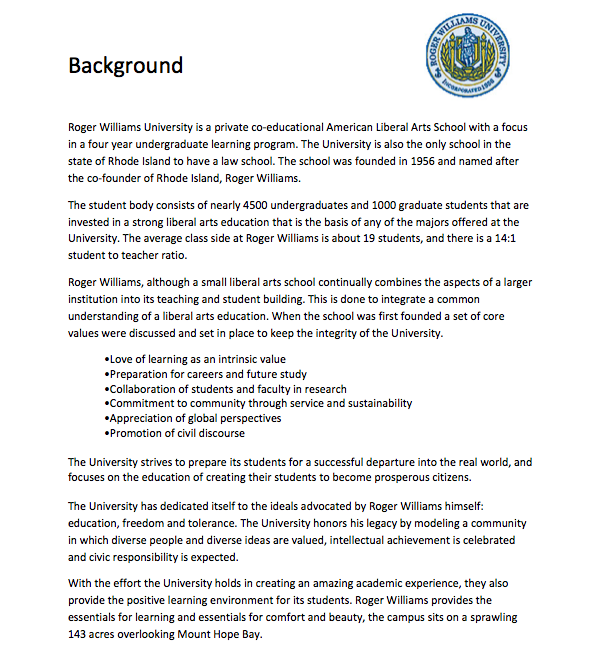

When Do Organizations Use Backgrounders?

Backgrounders are used whenever extra context is needed to support media coverage, interviews, briefings, or public understanding. Common use cases include:

  • Accompanying a press release to provide historical or technical context.
  • Preparing for media interviews so journalists have reference material.
  • Supporting announcements of new products, services, leadership, or partnerships.
  • During a crisis to explain company history, policy decisions, or procedural timelines.
  • In investor or stakeholder kits as part of a broader communications strategy.

Backgrounders are especially useful when the topic is complex, unfamiliar, or when accuracy is critical.


What Should I Include in a Backgrounder?

The content of a backgrounder depends on the subject but typically includes:

  • Title: A clear title indicating the subject (e.g., “Backgrounder: Brightwave Communications” or “Backgrounder: The SignalScope Platform”).
  • Introductory paragraph: A brief overview of what the backgrounder is about.
  • Detailed history or background: Key facts, milestones, origin stories, or background events.
  • Descriptions of relevant features, products, or policies.
  • Timeline or evolution (if relevant).
  • Key people, stakeholders, or partners.
  • FAQs or common questions (optional).
  • Neutral tone: No marketing language—just facts and context.
  • Media contact information.

The length may range from one to two pages, depending on the complexity of the subject.


Preparing a Backgrounder: Step-by-Step Instructions

Follow these steps to write a clear and effective backgrounder:


Step 1: Identify the Subject and Purpose

Decide exactly what the backgrounder will cover. Are you explaining your organization’s history? Providing context for a new product? Introducing a new initiative? This will determine the structure and content focus.


Step 2: Gather and Verify Background Information

Pull from credible sources—internal documents, previous press materials, leadership bios, or technical reports. All facts must be accurate and verifiable. Avoid speculation or fluff.


Step 3: Write a Clear Introduction

Start with a short paragraph that summarizes what the backgrounder is about and why the topic is relevant now. This should mirror a lead paragraph in a feature story—factual, informative, and engaging.


Step 4: Organize Content into Logical Sections

Use subheadings to divide the information clearly. These might include:

  • Company History
  • Product Overview
  • Key Milestones
  • Organizational Structure
  • Partnerships and Alliances
  • Policy Background
  • Community Impact

Step 5: Keep the Tone Objective and Informational

Avoid promotional language. Think like a journalist writing an encyclopedia entry. Use facts, quotes (if needed), and timelines to create a reliable, easy-to-reference narrative.


Step 6: Format for Easy Reading

Use bolded subheadings, short paragraphs, and bulleted lists when appropriate. White space matters—don’t overcrowd the page.


Step 7: Include Contact Info and Branding

End with media contact details in case journalists have follow-up questions. If used externally, add the company logo, tagline, and consistent visual formatting.


A strong backgrounder improves the depth, accuracy, and professionalism of your communications. It empowers the media to report responsibly and helps stakeholders understand the “why” behind your message—making it a smart and strategic addition to any PR effort.


*Content on this page was curated and edited by expert humans with the creative assistance of AI.

  • facebook
  • instagram
  • linkedin

DON'T MISS ANY SPOT-ON TIPS!

We don't spam! You'll only get emails when we post something awesome.
You can unsubscribe at any time.

Check your inbox or spam folder to confirm your subscription.

©2025 | The Comm Spot | By Newbold Communication & Design