
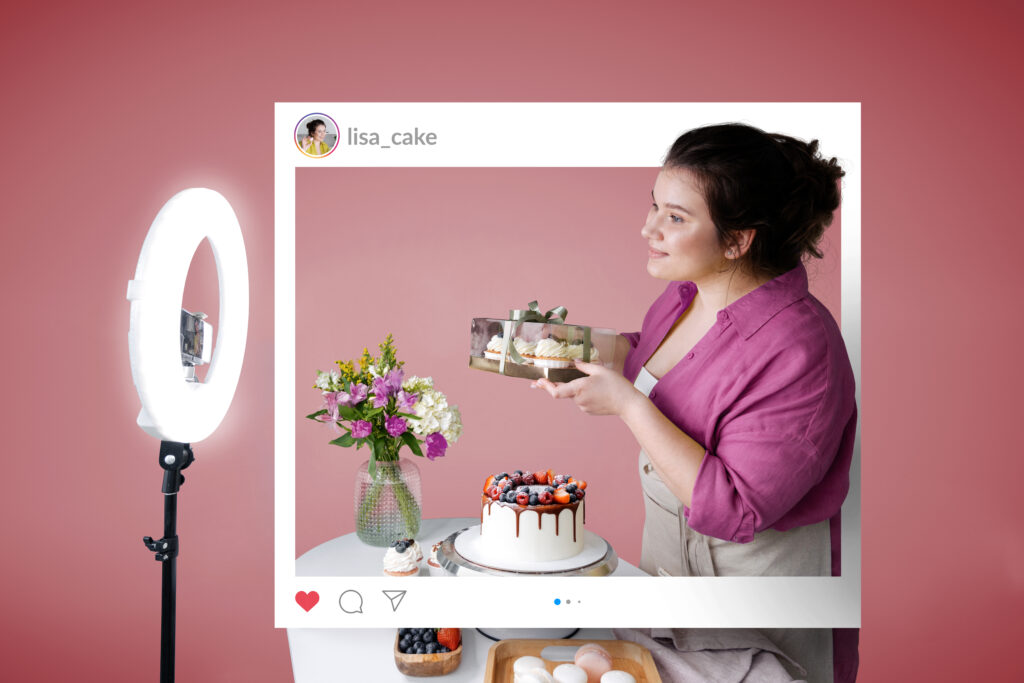
Integrated marketing communication (IMC) has evolved far beyond coordinating ad schedules or syncing promotional calendars. In today’s media-saturated, data-rich environment, IMC requires agility, personalization, and relevance across every touchpoint. As new technologies and platforms reshape how brands and consumers interact, communication professionals must continually adapt their strategies to stay ahead. This article explores the most significant trends shaping the future of IMC, with a focus on artificial intelligence, personalized omnichannel experiences, influencer ecosystems, and other emerging innovations.
AI and Message Generation
Artificial intelligence (AI) is transforming the speed, scale, and sophistication of marketing message creation. From AI-generated ad copy to chatbot-driven customer service, machine learning tools are increasingly central to IMC strategies.
Key Innovations:
- Automated Content Creation: Tools like ChatGPT, Jasper, and Copy.ai are being used to generate email subject lines, product descriptions, social media captions, and even entire blog posts at scale. These tools allow marketers to A/B test multiple variants of a message without manual drafting.
- Predictive Messaging: AI models can forecast which types of content and language will most likely lead to conversions based on user behavior data. This enables real-time message optimization across platforms.
- Conversational Interfaces: AI-powered chatbots and voice assistants are now able to handle more natural conversations. Brands are integrating these systems into websites, apps, and smart speakers to provide consistent, branded communication experiences.
Real-World Example:
The North Face partnered with IBM Watson to build a natural language-powered product recommendation chatbot. When users visited the website, they could ask, “I’m hiking in Colorado in November—what should I wear?” The chatbot generated product suggestions tailored to weather, location, and activity, creating an interactive, AI-driven shopping experience.
Omnichannel Personalization
Consumers today expect seamless, consistent, and highly personalized experiences—no matter which device, platform, or channel they use. Omnichannel personalization is about delivering the right message, to the right person, at the right time, across all relevant touchpoints.
Key Innovations:
- Real-Time Personalization Engines: Platforms like Adobe Experience Cloud and Salesforce Marketing Cloud allow brands to create unified customer profiles and deliver personalized content in real time.
- Behavioral Segmentation Across Devices: Advanced customer data platforms (CDPs) integrate data from websites, mobile apps, email, and offline behavior to tailor messaging across the entire journey.
- Dynamic Content Delivery: Personalized landing pages, email modules, and even display ads now adapt dynamically based on user segments, past behavior, and location.
Real-World Example:
Sephora uses a sophisticated omnichannel personalization strategy. Its Beauty Insider loyalty program tracks customer behavior across online and in-store channels. Based on purchase history and browsing habits, Sephora sends personalized recommendations via email, displays dynamic product suggestions in-app, and syncs those preferences with in-store consultants’ tablets—offering a seamless, customized experience.
Influencer Marketing Evolution
Influencer marketing is no longer a side tactic—it’s now a core component of many IMC plans. But the space is changing fast. The shift toward authenticity, micro-influencers, and long-term partnerships is transforming how brands leverage influence.
Key Innovations:
- Micro- and Nano-Influencers: Smaller creators with high engagement and niche credibility are increasingly favored over celebrities due to trust and relatability.
- Influencer-Generated Content (IGC): Brands are reusing influencer content across paid, owned, and earned media channels to extend reach and reduce production costs.
- Performance-Based Partnerships: Many brands are moving toward affiliate-style relationships, compensating influencers based on engagement, reach, or conversion metrics.
- AI-Powered Matching Platforms: Tools like CreatorIQ and Upfluence help brands match with influencers based on data such as audience demographics, brand affinity, and prior campaign results.
Real-World Example:
Glossier, the beauty brand known for its minimalist aesthetic, built much of its growth through micro-influencers and real users. Instead of traditional ads, the company reposted customer content, featured top fans in campaigns, and cultivated a sense of community. This grassroots influencer strategy helped Glossier grow into a $1.8B brand while maintaining authenticity and trust.
Other Emerging Areas in IMC
Beyond AI, personalization, and influencers, several other innovations are shaping the IMC landscape.
1. Immersive and Experiential Marketing
- Virtual Reality (VR) & Augmented Reality (AR): Brands are creating immersive experiences using AR filters on Instagram or virtual product try-ons in apps.
- Pop-Up Events and Hybrid Campaigns: In-person experiences are now amplified digitally, with social sharing, livestreams, and interactive digital extensions.
Example: IKEA developed the IKEA Place app using ARKit, allowing customers to see how furniture would look in their own space using a smartphone camera. This interactive feature linked online browsing to physical spaces, reducing returns and increasing buyer confidence.
2. Social Commerce Integration
- Platforms like TikTok, Instagram, and Pinterest now offer in-app shopping features, allowing consumers to discover and purchase products without leaving the platform.
- Influencer content is increasingly being used not just for awareness but as a direct path to purchase.
Example: Nike has embraced TikTok for product launches, integrating in-app commerce and branded challenges like #YouCantStopUs. Users can discover products, watch reviews, and purchase without leaving the app, making social content part of the conversion journey.
3. Data Privacy–Driven Marketing
- With the phase-out of third-party cookies, brands are shifting toward first-party data strategies—collecting email signups, app usage data, and loyalty behavior directly.
- Consent-based targeting and transparent messaging are becoming competitive differentiators.
Example: The New York Times transitioned away from third-party data by building a proprietary first-party data platform, using subscriber behavior to personalize content and advertising. Their approach improved ad targeting while respecting user privacy and consent.
4. Sustainability and Purpose-Driven Messaging
- Consumers expect brands to take meaningful stands on issues and back them up with actions.
- IMC campaigns increasingly center around transparency, sustainability, DEI (diversity, equity, and inclusion), and social impact.
Example: Ben & Jerry’s frequently centers its IMC campaigns around social justice and environmental causes. From climate action messaging to racial equity advocacy, the brand uses integrated PR, social media, website content, and paid ads to promote values alongside products.
*Content on this page was curated and edited by expert humans with the creative assistance of AI.