
Skip to content
The Comm Spot The Comm Spot

It's All About Communication

  • HOME
  • ABOUT
    • Meet the Creator: Curtis Newbold, PhD
    • Hire Curtis
    • Publish with Us
    • Contact
    • Privacy Notice
  • COMM-BASICS
    • Glossary
    • Citation & Style Guides
      • AP Style (Journalism)
        • AP Style Overview
        • AP Style Guidelines
        • Media Ethics – SPJ Code of Ethics
        • Elements of Newsworthiness
      • APA Style
        • APA Format – Overview
        • APA - References Guidelines
        • APA - In-text Citations
        • APA - Citing Authors
        • APA - Audiovisual Media
        • APA - Books
        • APA - Digital Sources
        • APA - Events & Interactions
        • APA - Periodicals
        • APA - Print Sources (other than books)
      • Chicago Style
        • Chicago – Overview
        • Chicago - Author-Date System
        • Chicago - Notes-Bibliography System
        • Chicago - In-text Citations
        • Chicago Style - Citing Authors
        • Chicago - Audiovisual Media
        • Chicago - Books
        • Chicago - Digital Sources
        • Chicago - Events and Interactions
        • Chicago - Citing Periodicals
        • Chicago - Print Sources (other than books)
      • MLA Style
        • MLA Overview
        • MLA Works Cited Pages
        • MLA In-text Citations
        • MLA – Authors
        • MLA – Audiovisual Media
        • MLA – Books
        • MLA – Digital Sources
        • MLA – Events & Interactions
        • MLA – Periodicals
        • MLA – Print Sources (other than books)
    • Rhetoric
      • Overview of Rhetoric
      • Rhetorical Appeals (Rhetorical Triangle)
      • Branches of Oratory
      • Canons of Rhetoric
      • Rhetorical Devices
      • Kairos
      • Topos
      • Key Figures in Rhetoric
    • Research Methods
      • Case Studies
      • Competitor Analysis
      • Content Analysis
      • Discourse Analysis
      • Ethnography
      • Focus Groups
      • Observation Research
      • S.W.O.T. Analysis
      • Secondary Research
      • Surveys
      • Target Market Analysis
      • Usability Testing
      • Visual Analysis
    • Theories
    • Thinkers
  • COMM-SUBJECTS
    • Interpersonal Communication
      • Active Listening
      • Body Language
      • Conflict Management
      • Emotional Intelligence
        • Emotional Intelligence Overview
        • Self-Awareness
        • Self-Regulation
        • Motivation
        • Empathy
        • Social Skills
        • Emotional Intelligence Resources
      • Feedback
      • Negotiation
        • Overview of Negotiation
        • Negotiation Skills
        • Negotiation Strategies & Techniques
        • Stages of Negotiation
        • Common Negotiation Scenarios
        • Negotiation Case Studies & Examples
        • Negotiation Tools & Resources
        • Negotiation FAQ
    • Journalism
    • Public Speaking
      • General Guidelines
      • Overcoming Fear
      • Speech Writing and Organization
      • Delivery Techniques
      • Body Language
      • Audience Engagement
      • Storytelling
      • Designing Slides
      • P.O.W.E.R.F.U.L. Presentation Method
    • Strategic Communication
      • Business & Org Comm
        • Definition & History
        • Org Comm Theories
        • Business Documents
        • Change Management
        • Employee Relations
        • Employment Communication
        • Group & Team Communication
        • Leadership Communication
        • Power, Identity, & Ethics at Work
        • Project Management
      • Integrated Marketing Comm
        • Definition of IMC
        • Core Principles of IMC
        • IMC Planning
        • Audience Segmentation
        • Marketing Channels
        • Message Strategies
        • Campaign Measurement & Evaluation
        • Trends & Innovations in IMC
        • Challenges & Pitfalls in IMC
        • Careers & Roles in IMC
      • Public Relations
        • Foundations in PR
        • Strategic Practice
        • Tools & Tactics
        • Research & Analysis
        • Professional Development
      • Case Studies in Strat Comm
    • Technical & Scientific Communication
    • Visual Communication
      • Data Visualization
      • Information Design
      • Photography
      • Web Design
    • Written Communication
      • Writing Process
      • Organizational Methods
        • Five Paragraph Essay
        • Hourglass Method of Writing
        • IMRaD Format (Science)
        • Indirect Method (Bad News)
        • Inverted Pyramid (Journalism)
        • Martini Glass
        • Narrative Format
        • Proposal Format
        • Rogerian Method
        • Toulmin Method
      • Plain Language
        • Audience (Plain Language)
        • Organization (Plain Language)
        • Conversation (Plain Language)
        • Simplicity (Plain Language)
        • Word Choice (Plain Language)
        • Sentence Structure (Plain Language)
        • Design (Plain Language)
      • Punctuation
        • Apostrophes
        • Brackets
        • Colons
        • Commas
        • Ellipses
        • Em Dashes
        • En Dashes
        • Exclamation Marks
        • Hyphens
        • Parentheses
        • Periods
        • Question Marks
        • Quotation Marks
        • Semicolons
      • Style
        • Clarity
        • Conciseness
        • Consistency
        • Editing
        • Flow
        • Rhetorical Devices
        • Sentence Structure
        • Storytelling
        • Tone
        • Voice
        • Word Choice
  • RESOURCES
    • Teaching Resources
      • Assignments & Activities
      • Instructional Design
      • Pedagogies
  • BLOGS
    • The Spotlight Blog
    • Comm Sparks
  • SHOP
    • Cart
    • Checkout
0
The Comm Spot
The Comm Spot

It's All About Communication

Slogans & Taglines (Integrated Marketing)

Home >COMM-Subjects >Strategic Communication >Integrated Marketing Communications >Message Strategies & Creative Integration (IMC) >Slogans & Taglines (Integrated Marketing)

Slogans vs. Taglines

Slogans and taglines are both short, memorable phrases used in branding, but they serve slightly different purposes. A tagline typically reflects a brand’s identity and is used consistently across all campaigns, often for many years (think, “Just Do It” or “I’m Lovin’ It”). A slogan, on the other hand, is more campaign-specific and can change frequently to support particular promotions, products, or initiatives (think, “Slow the Flow, Save H2O” or “What Happens in Vegas, Stays in Vegas”). Both are tools of persuasion, designed to encapsulate a brand’s message, improve recall, and evoke emotion or action.

Key Differences

  • Taglines are evergreen and reflect the core identity of a brand.
  • Slogans are campaign-specific and reflect current messaging or goals.
  • Taglines are usually broader, while slogans often highlight product benefits or calls to action.

Examples

  • Taglines:
    • Nike – Just Do It
    • Apple – Think Different
    • Disneyland – The Happiest Place on Earth
  • Slogans:
    • Las Vegas – What Happens in Vegas, Stays in Vegas
    • Coca-Cola – Share a Coke
    • Texas Department of Transportation – Don’t Mess with Texas

Creating Slogans

A good slogan is specific, emotionally resonant, and designed to drive action or shape perception. Since slogans often support a particular marketing initiative, they must be fresh, relevant, and tailored to the target audience or product message.

Best Practices

  • Keep it short and snappy – 3–7 words is ideal.
  • Tie it to a benefit – Highlight what makes the product/service valuable.
  • Make it campaign-aligned – Connect the slogan to the broader campaign theme.
  • Create emotional appeal – Use feeling to connect with the audience.
  • Use action words when appropriate – Encourage movement or behavior.
  • Test for clarity and resonance – Make sure it lands well with real people.

Example Campaign Slogans

Coca-Cola – “Taste the Feeling”

Used in a 2016 global campaign to unify all Coca-Cola products under a single emotional message centered on enjoyment and everyday moments.


McDonald’s – “We Love to See You Smile”

A campaign from the early 2000s aimed at highlighting friendly service and customer satisfaction.


Adidas – “Impossible is Nothing”

Launched in 2004 as part of a campaign highlighting stories of athletes overcoming obstacles. It’s motivational, but it was campaign-specific, not a long-term brand tagline.


Budweiser – “Whassup?”
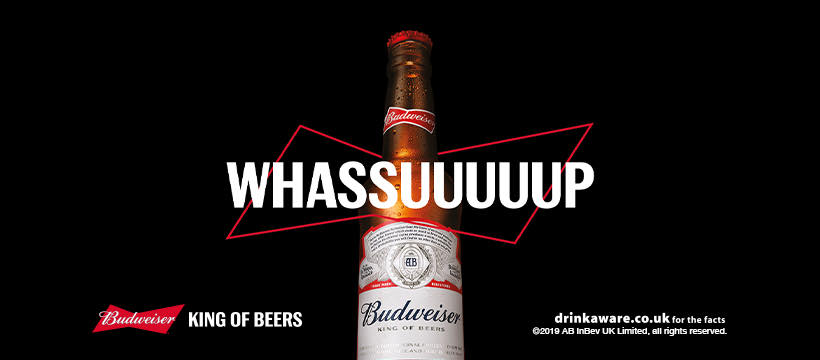
This became a pop culture catchphrase, but it originated as a slogan in a late-1999 campaign targeting young adult male consumers with humor and relatability.


Creating Taglines

Creating a great tagline requires distilling a brand’s essence into a phrase that’s durable and instantly recognizable. The best taglines stand the test of time, becoming synonymous with the brand itself.

Best Practices

  • Capture your brand’s promise or ethos – Think about the value or personality behind the brand.
  • Make it timeless – Avoid trends or dated language.
  • Be distinctive – Don’t sound like everyone else in your industry.
  • Use rhythm or alliteration – Musicality helps people remember.
  • Avoid clichés – Be original and authentic.
  • Test for versatility – The tagline should work across different platforms and campaigns.

Example Brand Taglines

Nike – “Just Do It”
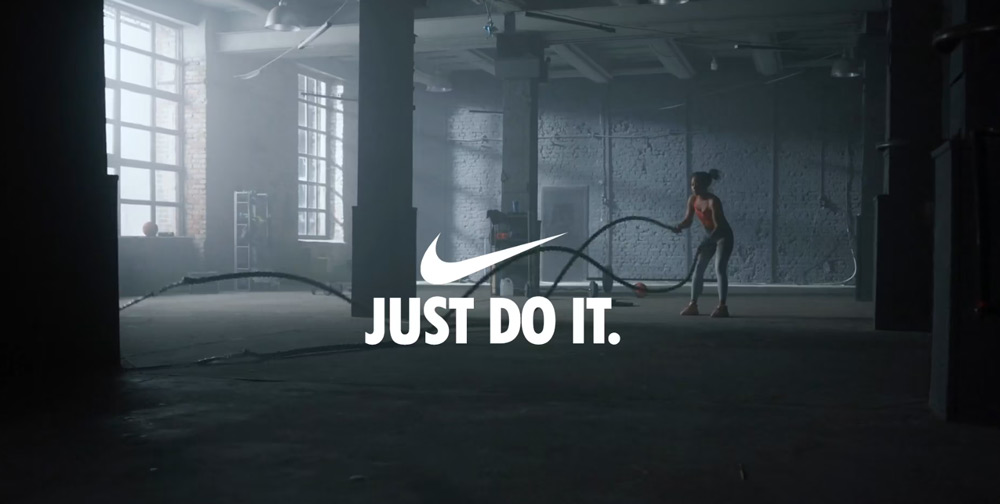
Introduced in 1988, this iconic tagline encapsulates Nike’s brand identity around motivation, performance, and empowerment.


Apple – “Think Different”
Launched in 1997, this tagline helped reposition Apple as the brand for creative, forward-thinking individuals.


BMW – “The Ultimate Driving Machine”
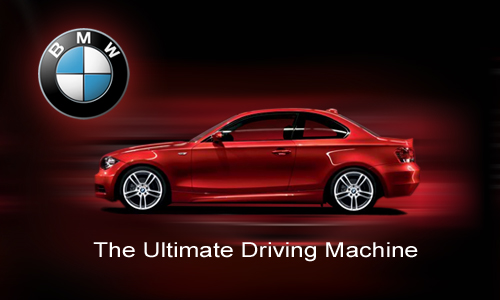
First used in the 1970s and still in use today, this tagline emphasizes performance, engineering excellence, and luxury.


Examples of Slogans and Taglines Gone Wrong

Sometimes, slogans fall flat—or worse, cause confusion or controversy. An ineffective slogan can misrepresent a brand, appear tone-deaf, or simply fail to stick in the audience’s memory.

1. Pepsi – “Live For Now” (2017)

This slogan seemed innocuous until it was paired with a controversial ad featuring Kendall Jenner. The campaign trivialized serious protest movements, showing how context can destroy a slogan’s effectiveness.

2. Electrolux – “Nothing Sucks Like an Electrolux”

This slogan, originally intended for European audiences, failed in English-speaking markets where “sucks” had unintended connotations. It’s a classic case of poor localization.

3. HSBC – “Assume Nothing”

Intended to promote open-mindedness, this slogan was confusing and vague, failing to communicate HSBC’s value clearly. They later replaced it with The World’s Local Bank—a much clearer identity statement.

4. KFC (China) – “Finger-Lickin’ Good” translated to “Eat Your Fingers Off”

A mistranslation of a catchy English slogan into Mandarin damaged brand perception temporarily and highlighted the importance of careful localization.

5. Bud Light – “The Perfect Beer for Removing ‘No’ from Your Vocabulary for the Night”

An attempt to invoke a sense of fun and liberation, this tagline created tremendous controversy as it appeared to associate alcohol and the promotion of sexual assault and drunk driving.


*Content on this page was curated and edited by expert humans with the creative assistance of AI.

  • facebook
  • instagram
  • linkedin

DON'T MISS ANY SPOT-ON TIPS!

We don't spam! You'll only get emails when we post something awesome.
You can unsubscribe at any time.

Check your inbox or spam folder to confirm your subscription.

©2025 | The Comm Spot | By Newbold Communication & Design