
Skip to content
The Comm Spot The Comm Spot

It's All About Communication

  • HOME
  • ABOUT
    • Meet the Creator: Curtis Newbold, PhD
    • Hire Curtis
    • Publish with Us
    • Contact
    • Privacy Notice
  • COMM-BASICS
    • Glossary
    • Citation & Style Guides
      • AP Style (Journalism)
        • AP Style Overview
        • AP Style Guidelines
        • Media Ethics – SPJ Code of Ethics
        • Elements of Newsworthiness
      • APA Style
        • APA Format – Overview
        • APA - References Guidelines
        • APA - In-text Citations
        • APA - Citing Authors
        • APA - Audiovisual Media
        • APA - Books
        • APA - Digital Sources
        • APA - Events & Interactions
        • APA - Periodicals
        • APA - Print Sources (other than books)
      • Chicago Style
        • Chicago – Overview
        • Chicago - Author-Date System
        • Chicago - Notes-Bibliography System
        • Chicago - In-text Citations
        • Chicago Style - Citing Authors
        • Chicago - Audiovisual Media
        • Chicago - Books
        • Chicago - Digital Sources
        • Chicago - Events and Interactions
        • Chicago - Citing Periodicals
        • Chicago - Print Sources (other than books)
      • MLA Style
        • MLA Overview
        • MLA Works Cited Pages
        • MLA In-text Citations
        • MLA – Authors
        • MLA – Audiovisual Media
        • MLA – Books
        • MLA – Digital Sources
        • MLA – Events & Interactions
        • MLA – Periodicals
        • MLA – Print Sources (other than books)
    • Rhetoric
      • Overview of Rhetoric
      • Rhetorical Appeals (Rhetorical Triangle)
      • Branches of Oratory
      • Canons of Rhetoric
      • Rhetorical Devices
      • Kairos
      • Topos
      • Key Figures in Rhetoric
    • Research Methods
      • Case Studies
      • Competitor Analysis
      • Content Analysis
      • Discourse Analysis
      • Ethnography
      • Focus Groups
      • Observation Research
      • S.W.O.T. Analysis
      • Secondary Research
      • Surveys
      • Target Market Analysis
      • Usability Testing
      • Visual Analysis
    • Theories
    • Thinkers
  • COMM-SUBJECTS
    • Interpersonal Communication
      • Active Listening
      • Body Language
      • Conflict Management
      • Emotional Intelligence
        • Emotional Intelligence Overview
        • Self-Awareness
        • Self-Regulation
        • Motivation
        • Empathy
        • Social Skills
        • Emotional Intelligence Resources
      • Feedback
      • Negotiation
        • Overview of Negotiation
        • Negotiation Skills
        • Negotiation Strategies & Techniques
        • Stages of Negotiation
        • Common Negotiation Scenarios
        • Negotiation Case Studies & Examples
        • Negotiation Tools & Resources
        • Negotiation FAQ
    • Journalism
    • Public Speaking
      • General Guidelines
      • Overcoming Fear
      • Speech Writing and Organization
      • Delivery Techniques
      • Body Language
      • Audience Engagement
      • Storytelling
      • Designing Slides
      • P.O.W.E.R.F.U.L. Presentation Method
    • Strategic Communication
      • Business & Org Comm
        • Definition & History
        • Org Comm Theories
        • Business Documents
        • Change Management
        • Employee Relations
        • Employment Communication
        • Group & Team Communication
        • Leadership Communication
        • Power, Identity, & Ethics at Work
        • Project Management
      • Integrated Marketing Comm
        • Definition of IMC
        • Core Principles of IMC
        • IMC Planning
        • Audience Segmentation
        • Marketing Channels
        • Message Strategies
        • Campaign Measurement & Evaluation
        • Trends & Innovations in IMC
        • Challenges & Pitfalls in IMC
        • Careers & Roles in IMC
      • Public Relations
        • Foundations in PR
        • Strategic Practice
        • Tools & Tactics
        • Research & Analysis
        • Professional Development
      • Case Studies in Strat Comm
    • Technical & Scientific Communication
    • Visual Communication
      • Data Visualization
      • Information Design
      • Photography
      • Web Design
    • Written Communication
      • Writing Process
      • Organizational Methods
        • Five Paragraph Essay
        • Hourglass Method of Writing
        • IMRaD Format (Science)
        • Indirect Method (Bad News)
        • Inverted Pyramid (Journalism)
        • Martini Glass
        • Narrative Format
        • Proposal Format
        • Rogerian Method
        • Toulmin Method
      • Plain Language
        • Audience (Plain Language)
        • Organization (Plain Language)
        • Conversation (Plain Language)
        • Simplicity (Plain Language)
        • Word Choice (Plain Language)
        • Sentence Structure (Plain Language)
        • Design (Plain Language)
      • Punctuation
        • Apostrophes
        • Brackets
        • Colons
        • Commas
        • Ellipses
        • Em Dashes
        • En Dashes
        • Exclamation Marks
        • Hyphens
        • Parentheses
        • Periods
        • Question Marks
        • Quotation Marks
        • Semicolons
      • Style
        • Clarity
        • Conciseness
        • Consistency
        • Editing
        • Flow
        • Rhetorical Devices
        • Sentence Structure
        • Storytelling
        • Tone
        • Voice
        • Word Choice
  • RESOURCES
    • Teaching Resources
      • Assignments & Activities
      • Instructional Design
      • Pedagogies
  • BLOGS
    • The Spotlight Blog
    • Comm Sparks
  • SHOP
    • Cart
    • Checkout
0
The Comm Spot
The Comm Spot

It's All About Communication

Advertising Appeals (Integrated Marketing Communication)

Home >COMM-Subjects >Strategic Communication >Integrated Marketing Communications >Message Strategies & Creative Integration (IMC) >Advertising Appeals (Integrated Marketing Communication)

What Are Advertising Appeals?

Advertising appeals are persuasive strategies used in marketing to connect with an audience’s emotions, values, logic, or identity. These techniques are rooted in classical rhetorical triangle—ethos (credibility), pathos (emotion), and logos (logic)—and are designed to motivate consumers to notice, remember, and respond to a message. While rhetorical appeals form the theoretical foundation, advertising appeals apply them practically through specific angles like humor, fear, beauty, or urgency. Effective campaigns often combine multiple appeals to resonate with audiences across different platforms and cultural contexts.


20 Common Advertising Appeals (A–Z)

Adventure Appeal
Encourages consumers to seek excitement, exploration, and bold experiences. Often used in travel, sports, and automotive ads to evoke freedom or thrill.
Study the Adventure Appeal

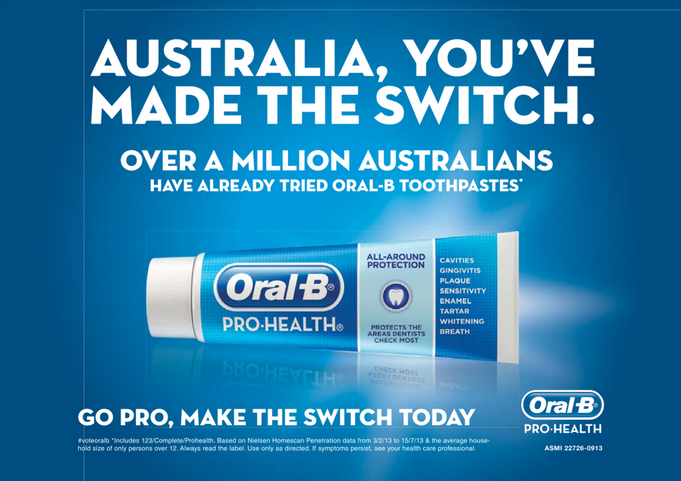
Bandwagon Appeal
Suggests that “everyone is doing it,” so the viewer should too. Creates social pressure by implying that not joining means being left out.

Study the Bandwagon Appeal

Celebrity Endorsement Appeal
Uses the credibility, attractiveness, or popularity of a public figure to promote a product. It builds trust or admiration by association.
Study Endorsement Appeal

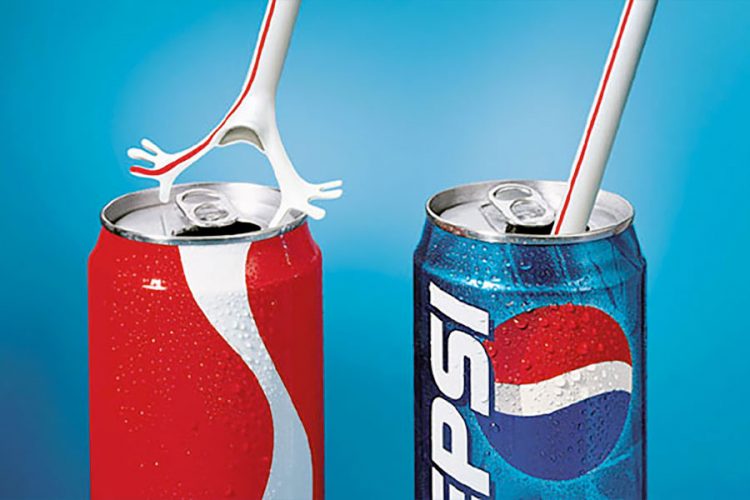
Comparative Appeal
Highlights the superiority of a product by comparing it to a competitor. Often includes side-by-side features, pricing, or outcomes.

Study the Comparative Appeal

Emotional (Pathos) Appeal
Evokes feelings such as happiness, sadness, nostalgia, or anger to build a deep emotional connection. Works particularly well for causes, nonprofits, or sentimental brands.

Study the Emotional Appeal

Fear Appeal
Warns of negative consequences unless the viewer takes action. Common in public health, insurance, or safety campaigns to drive behavior change.

Fear Appeal

Gender/Sex Appeal
Uses attractiveness, sex appeal, or gender norms to draw attention. Frequently used in fashion, beauty, and lifestyle advertising.

Study the Gender/Sex Appeal

Humor Appeal
Captures attention and fosters a positive brand association through laughter. Memorable and shareable, but can be risky if it offends or misses the mark.

Study the Humor Appeal

Inclusivity Appeal
Highlights diversity and representation to make consumers feel seen, respected, and included. Often appeals to identity, values, or social progress.
Study the Inclusivity Appeal

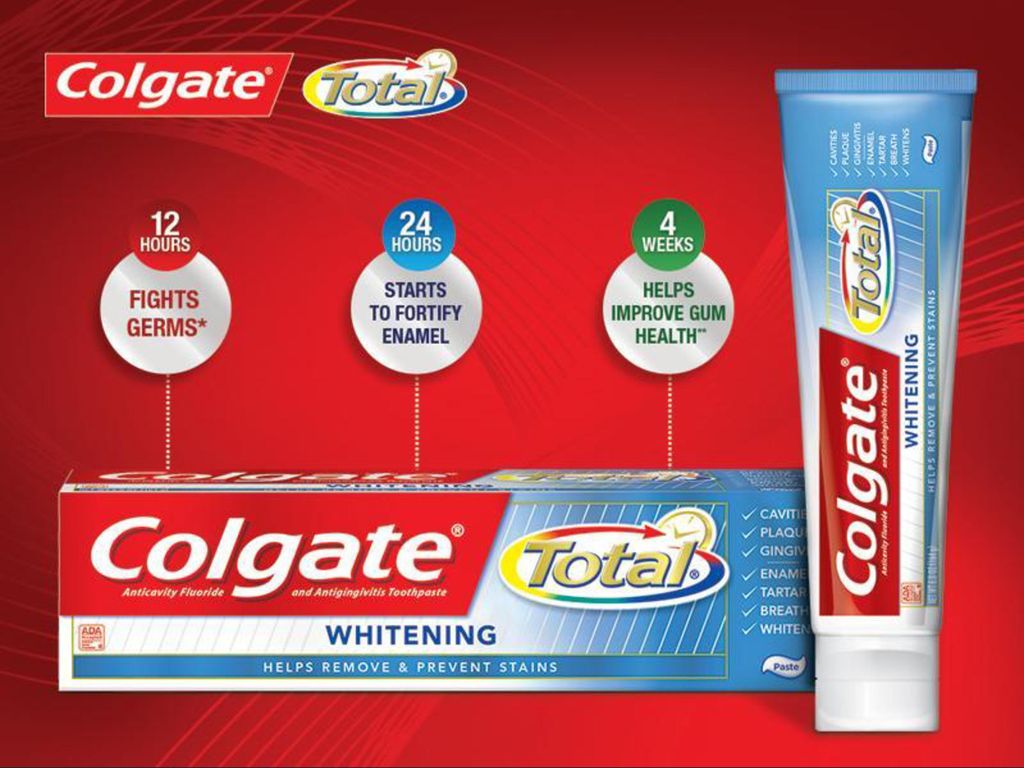
Logic/Logos Appeal
Focuses on facts, stats, and rational arguments to convince consumers. Common in B2B marketing, healthcare, tech, and financial products.

Study the Logic Appeal

Luxury/Prestige/Snob Appeal
Promotes exclusivity, elegance, and status through association with wealth or refinement. Seen in high-end fashion, automotive, and luxury goods.

Study the Luxury Appeal

Masculinity/Femininity Appeal
Reinforces traditional or modern ideas of gender identity and roles. Often used in grooming products, fitness gear, and apparel.

Masculinity/Femininity Appeal

Nostalgia Appeal
Taps into positive memories of the past to evoke comfort or familiarity. Works well for legacy brands or retro-themed campaigns.

Study the Nostalgia Appeal

Patriotism Appeal
Appeals to national pride, values, and identity. Common in campaigns around national holidays, military themes, or domestic manufacturing.

Study the Patriotism Appeal

Rational/Practical Appeal
Emphasizes utility, value, and functionality. Often focuses on saving time, money, or effort—popular in household goods and budget-conscious markets.

Study the Rational Appeal

Scarcity Appeal
Leverages urgency by highlighting limited time, quantity, or availability. Encourages immediate action to avoid missing out (e.g., “Only 3 left!”).

Study the Scarcity Appeal

Shock Appeal
Uses surprising, controversial, or provocative content to grab attention. Can be effective for raising awareness but risks backlash if overused or insensitive.

Study the Shock Appeal

Social Responsibility Appeal
Highlights ethical values, sustainability, and giving back. Appeals to consumers who want their purchases to support causes and create positive social impact.

Social Responsibility Appeal

Testimonial Appeal
Features everyday consumers sharing their positive experiences with the brand. Helps build authenticity and relatability.

Study the Testimonial Appeal

Youth Appeal
Targets or evokes youthfulness, energy, and innovation. Used to attract younger audiences or give a brand a modern, fresh identity.

Study the Youth Appeal

*Content on this page was curated and edited by expert humans with the creative assistance of AI.

  • facebook
  • instagram
  • linkedin

DON'T MISS ANY SPOT-ON TIPS!

We don't spam! You'll only get emails when we post something awesome.
You can unsubscribe at any time.

Check your inbox or spam folder to confirm your subscription.

©2025 | The Comm Spot | By Newbold Communication & Design