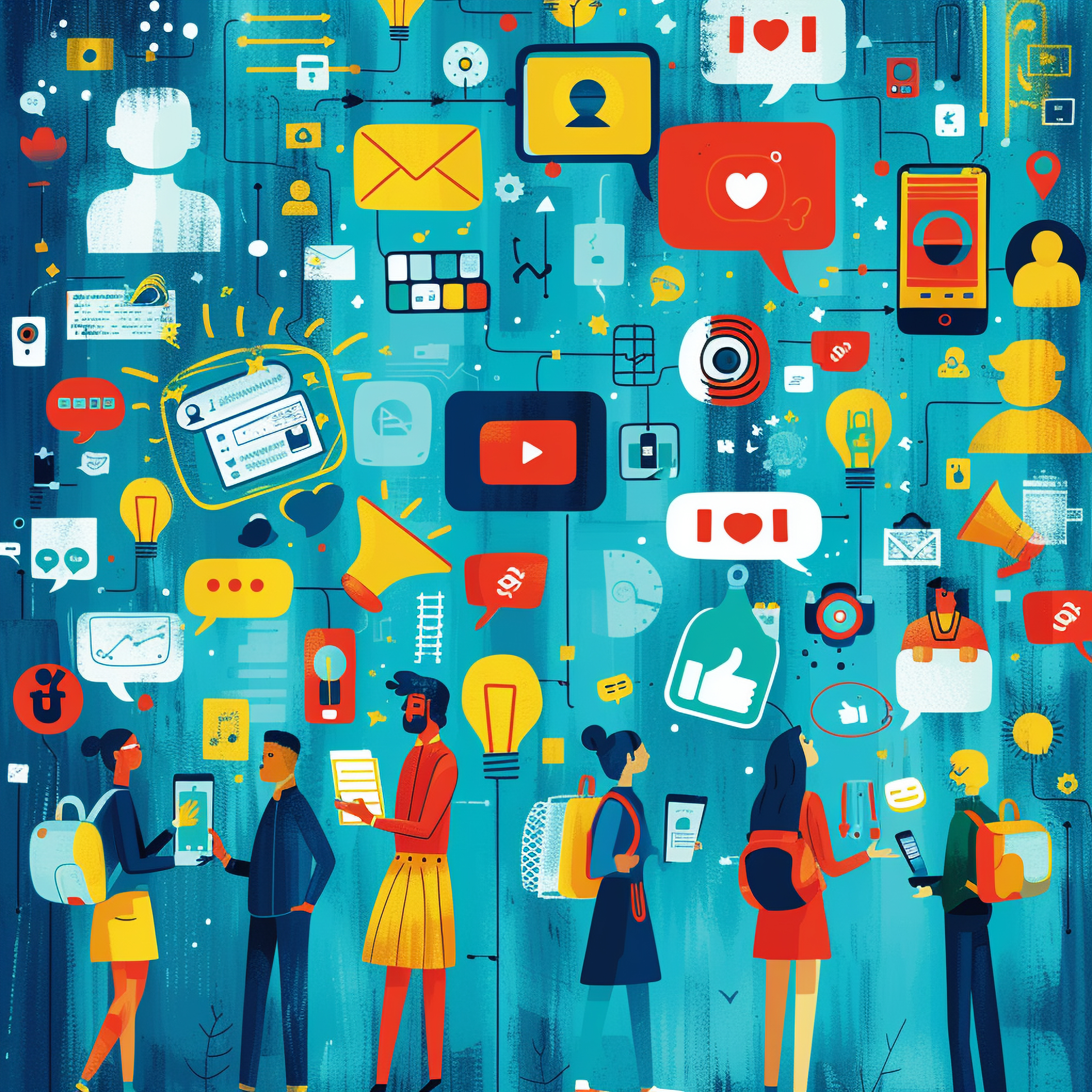
An effective Integrated Marketing Communication (IMC) strategy hinges on the seamless alignment of diverse marketing channels. Rather than operating in silos, each channel should reinforce a shared brand identity and message, creating a cohesive experience for the audience. As you develop strategies and tactics as part of your IMC plan, consider how each channel and tool can best be integrated for a unified campaign and messaging strategy.
Advertising (TV, Radio, Print, Digital)
Advertising is paid media used to promote products or services through mass communication channels such as television, radio, magazines, and online platforms.
Integration Strategy: Advertising should reflect the brand’s core identity and campaign message across all platforms, adapted for tone and format per channel. For instance, a national TV ad should visually and narratively align with corresponding digital display banners and print magazine spreads.
Example: A tech company launching a new product might air a 30-second TV spot emphasizing innovation, run digital display ads with the same tagline, and publish print ads in industry magazines that mirror the visual style of the broadcast.
How to Integrate:
- Use consistent logos, slogans, and color schemes.
- Adapt messages for each format while maintaining the same value proposition.
- Ensure creative teams collaborate across media types.
Public Relations
Public relations is communication aimed at managing how a brand is perceived by the public and media, typically through earned (as opposed to paid, like in advertising) coverage, press releases, and events.
Integration Strategy: PR helps shape public perception and should support and be supported by advertising and marketing efforts. Press releases, media interviews, and reputation campaigns should align with key campaign themes.
Example: If a sustainable clothing brand runs an ad campaign around eco-friendliness, its PR team should pitch related stories to media outlets, feature executives in sustainability forums, and publish press releases reinforcing the green messaging.
How to Integrate:
- Synchronize campaign launches with PR outreach.
- Provide PR teams with messaging frameworks used in advertising and social media.
- Monitor public sentiment and adjust other channels accordingly.
Sales Promotion
Sales promotion are short-term incentives or offers designed to encourage immediate action or purchase, such as discounts, coupons, contests, or free samples.
Integration Strategy: Sales promotions should reinforce the overarching campaign message and serve as a call to action that complements branding efforts.
Example: A cosmetics company offering a limited-time discount during a product launch should include the promotion in its print ads, social media stories, and in-store displays with matching visuals.
How to Integrate:
- Feature promotions consistently across all channels.
- Design promotional materials with the same tone and style as the brand’s other messages.
- Use shared campaign themes in promotional slogans and offers.
Direct Marketing
Direct marketing is targeted communication sent directly to individuals to generate a measurable response, including mailers, catalogs, SMS (text messaging), or telemarketing.
Integration Strategy: Direct marketing—such as postcards, catalogs, or SMS campaigns—should personalize messages while echoing the larger brand campaign.
Example: An online furniture retailer might send personalized mailers that feature a customer’s past purchases and tie them into a broader “Home Your Way” campaign running on digital and social channels.
How to Integrate:
- Tailor messages while using the same campaign design and tone.
- Link direct messages to landing pages that reflect the same theme.
- Coordinate timing with mass media rollouts.
Social Media
Social media includes interactive digital platforms and apps that allow brands to engage with audiences through posts, comments, and multimedia content in real time.
Integration Strategy: Social media should reinforce brand identity while enabling two-way engagement. It often acts as a hub that amplifies and extends content from other channels.
Example: A beverage company running a summer campaign can use Instagram to share behind-the-scenes content from its TV ad shoot, repurpose print ad graphics as posts, and launch a branded hashtag that mirrors the campaign’s tagline.
How to Integrate:
- Repurpose content from other media in visually engaging ways.
- Use campaign hashtags, themes, and CTAs across all platforms.
- Coordinate post timing with ad releases and promotions.
Email Marketing
Email marketing is the use of personalized emails to communicate with current or potential customers for the purpose of building relationships or driving action.
Integration Strategy: Email marketing should support campaign objectives by delivering personalized, timely messages that reflect the brand tone and look.
Example: A nonprofit launching a fundraising campaign across TV and social media should send matching email content with the same slogan, visuals, and deadlines, linking directly to donation pages.
How to Integrate:
- Use the same design templates and key messaging as ads and website content.
- Personalize without losing sight of campaign-wide language and visuals.
- Align email send dates with other major channel activations.
Content Marketing
Content marketing is the creation and distribution of valuable, relevant content—such as blogs, videos, or podcasts—to attract and engage a target audience.
Integration Strategy: Blogs, videos, podcasts, and infographics should tell deeper stories that reinforce the brand’s messaging and support broader campaigns.
Example: A health brand launching a new wellness line could publish blog posts about healthy routines, host a podcast episode on ingredient transparency, and tie both to the core theme introduced in TV and print ads.
How to Integrate:
- Align editorial calendars with campaign timelines.
- Ensure content topics support campaign objectives and messaging.
- Cross-promote content across email, social, and PR channels.
Event Marketing
Event marketing includes live or virtual brand experiences designed to engage audiences directly through product launches, trade shows, sponsorships, or promotional events.
Integration Strategy: Events should physically and emotionally embody the campaign message and brand values, offering attendees a consistent experience.
Example: A car company promoting an electric vehicle might host a launch event featuring branded displays, campaign-themed giveaways, interactive digital demos, and QR codes that link to campaign videos and product details.
How to Integrate:
- Design signage, messaging, and experiences that match the campaign look.
- Promote the event through all other channels using unified visuals.
- Capture and repurpose event content (photos, videos, testimonials) for use across platforms.
*Content on this page was curated and edited by expert humans with the creative assistance of AI.