
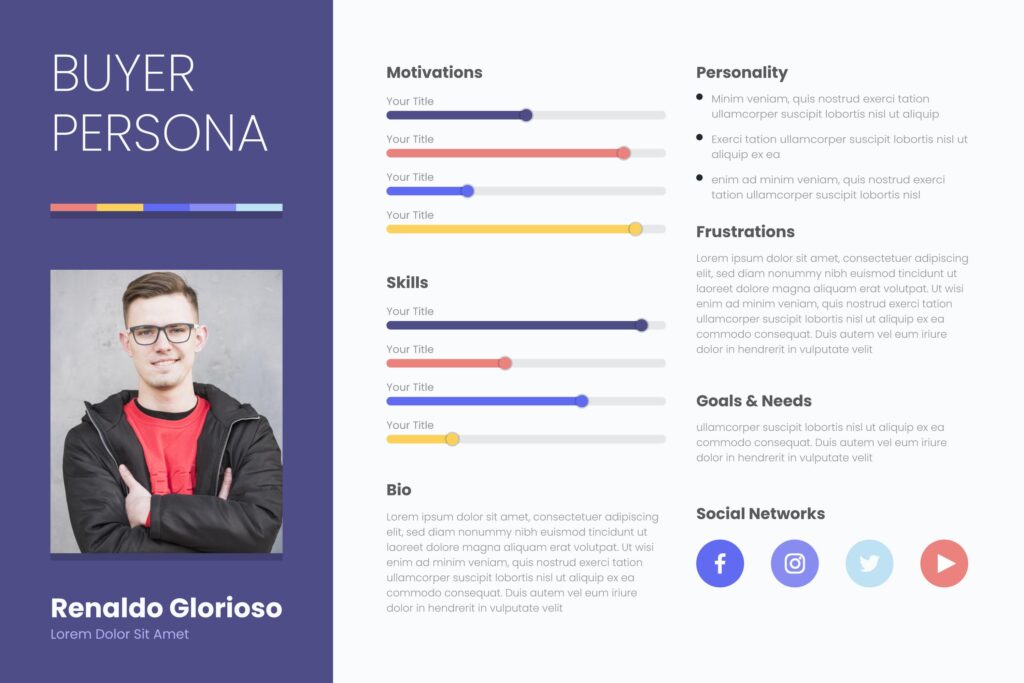
Overview of Audience Segmentation and Consumer Profiles

In the ever-evolving world of marketing and communication, audience segmentation and consumer profiling are essential tools for reaching the right people with the right message. Audience segmentation is the process of dividing a broad target audience into smaller, more manageable groups that businesses can create targeted messages for, based on shared characteristics. Consumer profiles are detailed representations of these segments, giving marketers a clear picture of who they are speaking to. Together, these strategies enable businesses to personalize messages, optimize marketing efforts, and enhance customer satisfaction.
On this page, we cover the following:
- How to Do Audience Segmentation
- Tribal Marketing and Post-Demographic Consumerism
- Consumer Profiles: What They Are and Why They Matter
- How to Create a Consumer Profile
How to Do Audience Segmentation: Demographics, Psychographics, Behavioristics, and Geographics
Understanding your audience is a foundational step in any successful marketing or communication strategy. Audience segmentation is the process of dividing a broad target audience into smaller groups based on shared characteristics. By tailoring messages and campaigns to each segment, organizations can increase relevance, engagement, and return on investment. The four most widely used segmentation types are demographic, psychographic, behavioristic, and geographic.
1. Demographic Segmentation
Definition:
Demographic segmentation divides the audience based on quantifiable attributes such as age, gender, income, education, race, ethnicity, marital status, occupation, and family size. These characteristics help marketers predict consumer needs and purchasing behaviors based on life stage or social roles.
Research Methodologies and Processes
- Surveys and Questionnaires: Include fields for age, education, household income, etc.
- Census Data: Use national or regional census databases for large-scale demographic insights.
- CRM and Purchase History: Analyze existing customer data to detect demographic patterns.
- Web Analytics: Use tools like Google Analytics to infer demographic segments from user behavior.
Example
A financial services company may segment its audience into:
- Young Professionals (Ages 25–35): Recently employed, looking for budgeting tools and debt management.
- Parents (Ages 35–50): Focused on family insurance plans and saving for college.
- Retirees (60+): Interested in estate planning and retirement income strategies.
2. Psychographic Segmentation
Definition:
Psychographic segmentation categorizes audiences based on psychological traits, including personality, values, beliefs, interests, attitudes, lifestyles, and social status. It focuses on why people make choices rather than who they are.
Research Methodologies and Processes
- In-Depth Interviews and Focus Groups: Explore values, motivations, and emotional drivers.
- Lifestyle Surveys and VALS (Values, Attitudes, and Lifestyles) Frameworks: Tools that assign people to psychographic segments like “Achievers” or “Explorers.”
- Social Media Listening: Monitor content people engage with, share, or react to.
- Ethnographic Observation: Study consumers in real-life environments for deeper insights.
Example
A sustainable fashion brand might identify a segment:
- Eco-Conscious Minimalists: Urban, values simplicity, avoids fast fashion, willing to pay more for ethically sourced products, and active in environmental advocacy.
3. Behavioristic Segmentation
Definition:
Behavioristic segmentation groups consumers based on their actions toward a product or service, such as purchase frequency, brand loyalty, usage rate, occasion of use, or benefits sought. It reflects actual consumer behavior rather than assumed characteristics.
Research Methodologies and Processes
- Transactional Data Analysis: Use POS or e-commerce data to assess repeat purchases and spending habits.
- Customer Loyalty Programs: Gather data on frequency, timing, and preferred products.
- Website Behavior Tracking: Use heatmaps, session recordings, or funnels to identify usage patterns.
- A/B Testing and Product Trials: Test marketing messages or offers and track consumer responses.
Example
A coffee brand may segment by behavior:
- Daily Commuters: Buy one cup every weekday morning; value speed and convenience.
- Weekend Socializers: Visit cafes for experience and ambiance; prefer specialty drinks and pastries.
- Loyal Subscribers: Use a subscription service and frequently reorder coffee beans for home brewing.
4. Geographic Segmentation
Definition:
Geographic segmentation divides audiences based on physical location such as country, region, city, climate, or population density. It recognizes that people’s needs and preferences often vary by where they live or work.
Research Methodologies and Processes
- Location Analytics and IP Tracking: Determine user locations through web traffic data.
- Sales Data by Region: Assess product performance by city, zip code, or territory.
- GIS Mapping Tools: Visualize consumer density, competition, and regional preferences.
- Local Market Research: Conduct surveys or focus groups in specific geographic areas.
Example
A restaurant chain might use geography to segment:
- Urban Consumers: Short lunch breaks, prefer mobile ordering and delivery.
- Suburban Families: Dine-in preference, value kid-friendly menus and promotions.
- Tourist Areas: Seasonal promotions, multilingual menus, and quick-service offerings for travelers.
Tribal Marketing and Post-Demographic Consumerism

As consumer behavior becomes more complex, traditional segmentation methods are often not enough. That’s where tribal marketing and post-demographic consumerism come into play.
Tribal Marketing
Tribes are groups of people connected by shared passions or beliefs, regardless of demographics. Tribal marketing focuses on cultural affinities and emotional bonds rather than age or income.
Example: Harley-Davidson doesn’t just market to middle-aged men—they market to a tribe that values freedom, rebellion, and the open road.
Post-Demographic Consumerism
This concept recognizes that consumers don’t fit neatly into demographic boxes. People mix and match lifestyles, values, and behaviors in ways that defy traditional segmentation.
Example: A 60-year-old woman might play video games and follow fashion influencers, while a 20-year-old might prefer gardening and classical music. Marketing based solely on age would miss these nuances.
These approaches challenge marketers to look at real human complexity, not just statistical categories.
Consumer Profiles: What They Are and Why They Matter
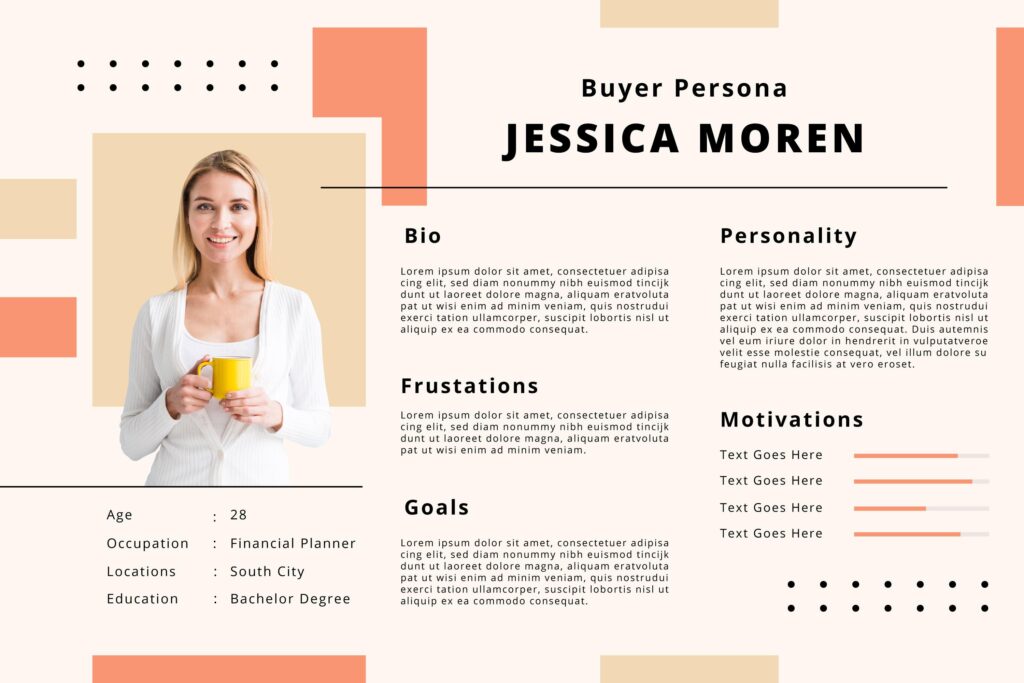
A consumer profile (also called a customer persona or buyer persona) is a fictional but realistic, research-based description of a target customer. It includes demographic and psychographic information, needs, motivations, buying behaviors, and media consumption habits.
Why consumer profiles matter:
- Personalization: Tailor content, product recommendations, and messaging to individual needs.
- Efficiency: Avoid wasting time and budget on the wrong audience.
- Empathy: Understand the customer’s challenges and expectations more deeply.
- Alignment: Align marketing, product development, and customer service efforts.
Example of a consumer profile:
Name: “Eco-conscious Emma”
Age: 34
Occupation: Urban planner
Interests: Sustainability, yoga, local food markets
Buying Motivations: Buys products that are ethically sourced and environmentally friendly
Challenges: Balancing eco-values with budget constraints
Preferred Platforms: Instagram, YouTube, sustainability blogs
How to Create a Consumer Profile
Consumer Profile Best Practices
Before building a profile, keep these best practices in mind:
- Base profiles on real data, not assumptions. Use research and behavioral insights.
- Focus on one persona per profile. Avoid trying to represent multiple customer types in one.
- Be specific. Vague or generic descriptions won’t help your team understand your audience.
- Make them usable. Present profiles in a visual, shareable format that teams can actually use.
- Tell a story. Use a name, photo, and narrative to humanize the data.
Example 1:
Don’t say: “Targeting 18–65-year-old adults interested in tech.”
Do say: “Jordan, a 29-year-old software engineer who builds PCs and is obsessed with optimizing gear for performance.”
Example 2:
Don’t assume your customer cares about price.
Use research to discover: “Marta is willing to pay more for handmade jewelry that’s ethically sourced, even on a modest income.”
Step 1: Conduct Research
To build a useful consumer profile, you must first gather real-world insights about your audience.
How to Do It:
- Surveys and Questionnaires: Ask customers about their needs, habits, challenges, and values.
- Interviews and Focus Groups: Explore deeper motivations and attitudes in conversation.
- Analytics Tools: Use Google Analytics, social media insights, CRM software, and sales data to track behavior.
- Customer Support Logs & Reviews: Look at common complaints, praises, and usage patterns.
Example 1:
A fitness app interviews 15 users and discovers that some are training for marathons while others just want to track casual walks. These two user types need separate profiles.
Example 2:
A skincare brand analyzes product reviews and finds that many customers are concerned about ingredients and sustainability—highlighting a psychographic trait to include in their profiles.
Step 2: Segment Audience, Create a Persona for Each Segment
Once you have your research, group similar consumers together based on shared characteristics, behaviors, or needs.
How to Do It:
- Look for patterns in data: Identify common goals, challenges, or purchasing behaviors.
- Use segmentation types: Segment by demographics, psychographics, behaviors, or geographics.
- Limit the number of personas: Focus on 3–5 primary consumer types to avoid overcomplication.
Example 1:
An outdoor gear company finds three distinct customer segments:
- “Weekend Warriors” (occasional hikers)
- “Eco Explorers” (environmental advocates)
- “High-Altitude Athletes” (serious mountaineers)
Example 2:
An online education platform identifies personas such as:
- “Busy Professionals” looking for evening certification courses
- “Lifelong Learners” who casually take courses out of interest
Step 3: Build the Profile Framework
Each consumer profile should include a structured set of characteristics. Use both qualitative and quantitative information. Not all consumer profiles will include all of this information, but they will usually include most. Determine, for your particular audience, what is needed and helpful and what isn’t.
What to Include:
- Name and Photo
- Humanizes the persona
- Use a stock image or illustrated avatar
- Demographics
- Age, gender, income, education, job title, location
- Interests, Lifestyles, and Values
- Hobbies, priorities, attitudes, beliefs, daily routines
- Goals and Challenges
- What are they trying to achieve? What’s standing in the way?
- Shopping Habits and Preferred Platforms
- Where do they shop? Online or in-store? How do they research products?
- Pain Points, Frustrations, and Decision-Making Process
- What causes friction or dissatisfaction? How do they make buying choices?
Example 1:
Name: Olivia the Organizer
Photo: Smiling woman in her 30s at a standing desk
Demographics: 34, project manager, $85k income, lives in Denver
Interests/Values: Productivity, sustainability, minimalist living
Goals/Challenges: Wants to optimize her home office but struggles with clutter
Shopping Habits: Researches on Pinterest and Reddit; prefers eco-friendly brands
Pain Points: Gets overwhelmed by too many options and dislikes fast shipping waste
Decision-Making: Reads user reviews, avoids flashy marketing, seeks trusted recommendations
Example 2:
Name: Marcus the Millennial Chef
Photo: Man in apron filming a cooking tutorial
Demographics: 29, food blogger, $50k income, lives in Austin
Interests/Values: Food trends, authenticity, local sourcing
Goals/Challenges: Wants affordable, high-quality tools for content creation
Shopping Habits: Shops on Amazon and supports small kitchen brands via Instagram
Pain Points: Frustrated by low-quality gear and confusing product specs
Decision-Making: Influenced by peer recommendations and brand ethics
Step 4: Add Real Quotes, Scenarios, or Testimonials
Authentic customer voices help validate and enrich the profile. They make the data relatable and give stakeholders emotional context.
How to Do It:
- Use direct quotes from interviews or reviews.
- Include short “day in the life” scenarios to illustrate needs and behaviors.
- Add testimonials or user-generated content when possible.
Example 1:
Quote: “I don’t care about brand names. I want to know what’s in the product and where it comes from.” – Olivia, consumer interview
Scenario: Olivia starts her day by checking her task app and journaling. She often shops during breaks, prioritizing sustainable packaging.
Example 2:
Quote: “If I can’t find a tutorial or demo video, I won’t buy it. I need to see it in action.” – Marcus, survey response
Scenario: Marcus scrolls Instagram at lunch for cooking gear ideas. Before buying anything, he looks for a YouTube review and checks kitchen forums.
Step 5: Design for Readability and Ease-of-Use
A well-designed profile makes your data easy to understand and act upon—especially for marketers, designers, and decision-makers.
How to Do It:
- Use Visual Layouts: Present information in clean, structured sections (columns, boxes, icons).
- Highlight Key Data: Use bold headers, pull quotes, bullet points, and visuals to enhance scanability.
- Include a One-Page Summary: Keep it printable and skimmable for use in meetings and briefs.
- Use Realistic Photos: Stock images should reflect the persona’s age, style, and context.
Example 1:
A consumer profile for a toy company uses bold color blocks, a cartoon avatar, and section headers like “Buying Triggers” and “Parenting Style” in a single-page layout for easy team reference.
Example 2:
A digital marketing team embeds clickable personas into their content calendar tool, allowing copywriters to toggle between “Eco Shopper” and “Gadget Geek” for tone and product focus guidance.
Step 6: Update Regularly
People change—and so should your consumer profiles. Periodically refresh them to reflect new behaviors, market shifts, or product offerings.
How to Do It:
- Schedule profile reviews quarterly or biannually.
- Integrate feedback from customer support and sales teams.
- Monitor performance metrics (e.g., response rates, conversion) to refine targeting.
Example 1:
After a major rebrand, a fashion retailer discovers their core buyer is now older and more focused on comfort than trendiness. They revise profiles accordingly.
Example 2:
A travel agency updates its “Remote Worker Rachel” persona post-COVID to reflect the rise of digital nomad visas and flexible work locations.
*Content on this page was curated and edited by expert humans with the creative assistance of AI.