
Overview
The Greenpeace vs. Shell Brent Spar conflict in 1995 is one of the most famous case studies in corporate activism and environmental communication. Shell planned to dispose of its Brent Spar oil storage buoy by sinking it in the North Atlantic, while Greenpeace launched a high-profile campaign opposing the move, arguing it would cause severe marine pollution. The confrontation—fueled by direct action, media spectacle, and public boycotts—forced Shell to reverse its decision and reshaped how corporations handle environmental issues in the public eye.
Context and Events
Brent Spar was a massive, decommissioned oil storage buoy in the North Sea, owned by Shell. In 1995, Shell proposed to sink it in deep water, arguing that this was the safest, most cost-effective disposal option, and one approved by the UK government. Greenpeace opposed the plan, claiming it would release thousands of tons of oil and toxic waste into the ocean.
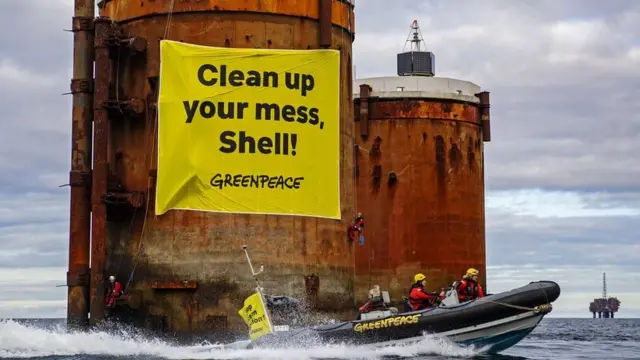
Greenpeace activists occupied the Brent Spar platform in the North Sea for weeks, staging dramatic protests that captured global media attention. They also mobilized international public opinion, calling for boycotts of Shell gas stations across Europe—particularly in Germany, where protests grew so intense that Shell stations were vandalized.
Amid growing public outrage, Shell eventually abandoned its disposal plan and opted to dismantle Brent Spar on land. Later studies suggested Greenpeace had overestimated the environmental risks, but by then the campaign had succeeded in reshaping the global debate about ocean dumping and corporate environmental accountability.
Communication Strategy
The Greenpeace vs. Shell conflict became a communications battle as much as an environmental one:
- Shell’s approach:
- Relied heavily on scientific and regulatory approval, assuming technical arguments would prevail.
- Failed to anticipate the symbolic and emotional power of Greenpeace’s framing.
- Responded too slowly and defensively as public opinion turned against it.
- Greenpeace’s approach:
- Used direct action (occupying the platform) to create powerful visuals.
- Framed the issue in simple, emotive terms: “Dumping toxic waste in the ocean.”
- Mobilized grassroots activism and consumer boycotts, leveraging moral outrage rather than technical debate.
- Capitalized on media spectacle, dominating headlines and public discourse.
Outcomes
The Brent Spar case became a watershed moment in CSR and corporate communications:
- Shell abandoned its disposal plan and dismantled Brent Spar in a Norwegian fjord, reusing parts of the structure for harbor construction.
- Shell suffered significant reputational damage, especially in Europe, where it was seen as out of touch with environmental and public concerns.
- Greenpeace emerged as a powerful, media-savvy NGO, showing that activism could force even the largest corporations to change course.
- The controversy contributed to the development of new international guidelines on decommissioning offshore oil structures, with a stronger emphasis on stakeholder consultation and environmental caution.
- Although Greenpeace later admitted it had overstated some scientific claims, its success in swaying public opinion cemented its reputation as a leading global environmental watchdog.
Lessons Learned
- Public perception can outweigh technical arguments – Scientific approval is not enough if the public views an action as morally unacceptable.
- Activism thrives on symbolism – The image of “dumping waste in the ocean” proved far more powerful than Shell’s technical reassurances.
- Corporations must anticipate stakeholder concerns – Ignoring NGOs and public sentiment leaves companies vulnerable to backlash.
- Speed and empathy matter in crises – Shell’s slow, defensive response worsened the reputational damage.
- NGOs can redefine global standards – Greenpeace’s victory influenced international policy, showing the power of advocacy to drive systemic change.
*Content on this page was curated and edited by expert humans with the creative assistance of AI.