
Skip to content
The Comm Spot The Comm Spot

It's All About Communication

  • HOME
  • ABOUT
    • Meet the Creator: Curtis Newbold, PhD
    • Hire Curtis
    • Publish with Us
    • Contact
    • Privacy Notice
  • COMM-BASICS
    • Glossary
    • Citation & Style Guides
      • AP Style (Journalism)
        • AP Style Overview
        • AP Style Guidelines
        • Media Ethics – SPJ Code of Ethics
        • Elements of Newsworthiness
      • APA Style
        • APA Format – Overview
        • APA - References Guidelines
        • APA - In-text Citations
        • APA - Citing Authors
        • APA - Audiovisual Media
        • APA - Books
        • APA - Digital Sources
        • APA - Events & Interactions
        • APA - Periodicals
        • APA - Print Sources (other than books)
      • Chicago Style
        • Chicago – Overview
        • Chicago - Author-Date System
        • Chicago - Notes-Bibliography System
        • Chicago - In-text Citations
        • Chicago Style - Citing Authors
        • Chicago - Audiovisual Media
        • Chicago - Books
        • Chicago - Digital Sources
        • Chicago - Events and Interactions
        • Chicago - Citing Periodicals
        • Chicago - Print Sources (other than books)
      • MLA Style
        • MLA Overview
        • MLA Works Cited Pages
        • MLA In-text Citations
        • MLA – Authors
        • MLA – Audiovisual Media
        • MLA – Books
        • MLA – Digital Sources
        • MLA – Events & Interactions
        • MLA – Periodicals
        • MLA – Print Sources (other than books)
    • Rhetoric
      • Overview of Rhetoric
      • Rhetorical Appeals (Rhetorical Triangle)
      • Branches of Oratory
      • Canons of Rhetoric
      • Rhetorical Devices
      • Kairos
      • Topos
      • Key Figures in Rhetoric
    • Research Methods
      • Case Studies
      • Competitor Analysis
      • Content Analysis
      • Discourse Analysis
      • Ethnography
      • Focus Groups
      • Observation Research
      • S.W.O.T. Analysis
      • Secondary Research
      • Surveys
      • Target Market Analysis
      • Usability Testing
      • Visual Analysis
    • Theories
    • Thinkers
  • COMM-SUBJECTS
    • Interpersonal Communication
      • Active Listening
      • Body Language
      • Conflict Management
      • Emotional Intelligence
        • Emotional Intelligence Overview
        • Self-Awareness
        • Self-Regulation
        • Motivation
        • Empathy
        • Social Skills
        • Emotional Intelligence Resources
      • Feedback
      • Negotiation
        • Overview of Negotiation
        • Negotiation Skills
        • Negotiation Strategies & Techniques
        • Stages of Negotiation
        • Common Negotiation Scenarios
        • Negotiation Case Studies & Examples
        • Negotiation Tools & Resources
        • Negotiation FAQ
    • Journalism
    • Public Speaking
      • General Guidelines
      • Overcoming Fear
      • Speech Writing and Organization
      • Delivery Techniques
      • Body Language
      • Audience Engagement
      • Storytelling
      • Designing Slides
      • P.O.W.E.R.F.U.L. Presentation Method
    • Strategic Communication
      • Business & Org Comm
        • Definition & History
        • Org Comm Theories
        • Business Documents
        • Change Management
        • Employee Relations
        • Employment Communication
        • Group & Team Communication
        • Leadership Communication
        • Power, Identity, & Ethics at Work
        • Project Management
      • Integrated Marketing Comm
        • Definition of IMC
        • Core Principles of IMC
        • IMC Planning
        • Audience Segmentation
        • Marketing Channels
        • Message Strategies
        • Campaign Measurement & Evaluation
        • Trends & Innovations in IMC
        • Challenges & Pitfalls in IMC
        • Careers & Roles in IMC
      • Public Relations
        • Foundations in PR
        • Strategic Practice
        • Tools & Tactics
        • Research & Analysis
        • Professional Development
      • Case Studies in Strat Comm
    • Technical & Scientific Communication
    • Visual Communication
      • Data Visualization
      • Information Design
      • Photography
      • Web Design
    • Written Communication
      • Writing Process
      • Organizational Methods
        • Five Paragraph Essay
        • Hourglass Method of Writing
        • IMRaD Format (Science)
        • Indirect Method (Bad News)
        • Inverted Pyramid (Journalism)
        • Martini Glass
        • Narrative Format
        • Proposal Format
        • Rogerian Method
        • Toulmin Method
      • Plain Language
        • Audience (Plain Language)
        • Organization (Plain Language)
        • Conversation (Plain Language)
        • Simplicity (Plain Language)
        • Word Choice (Plain Language)
        • Sentence Structure (Plain Language)
        • Design (Plain Language)
      • Punctuation
        • Apostrophes
        • Brackets
        • Colons
        • Commas
        • Ellipses
        • Em Dashes
        • En Dashes
        • Exclamation Marks
        • Hyphens
        • Parentheses
        • Periods
        • Question Marks
        • Quotation Marks
        • Semicolons
      • Style
        • Clarity
        • Conciseness
        • Consistency
        • Editing
        • Flow
        • Rhetorical Devices
        • Sentence Structure
        • Storytelling
        • Tone
        • Voice
        • Word Choice
  • RESOURCES
    • Teaching Resources
      • Assignments & Activities
      • Instructional Design
      • Pedagogies
  • BLOGS
    • The Spotlight Blog
    • Comm Sparks
  • SHOP
    • Cart
    • Checkout
0
The Comm Spot
The Comm Spot

It's All About Communication

Marketing & Advertising Case Study: Old Spice’s “The Man Your Man Could Smell Like” (2010)

Home >COMM-Subjects >Strategic Communication >Case Studies in Strategic Communication >Marketing & Advertising Case Study: Old Spice’s “The Man Your Man Could Smell Like” (2010)

Overview

The Old Spice “The Man Your Man Could Smell Like” campaign, launched in 2010, is one of the most celebrated examples of rebranding through humor, digital engagement, and viral marketing. The campaign revitalized a legacy brand, repositioning Old Spice from an “old man’s cologne” to a playful, modern product appealing to younger consumers. Its creative mix of traditional and digital strategies set new standards for integrated marketing campaigns in the social media era.


Context and Events

By the late 2000s, Old Spice was losing relevance. Once the top men’s grooming brand, it was now associated with an aging demographic, while competitors like Axe had captured younger audiences with edgy, youthful campaigns. Procter & Gamble, Old Spice’s parent company, partnered with ad agency Wieden+Kennedy to reinvent the brand.

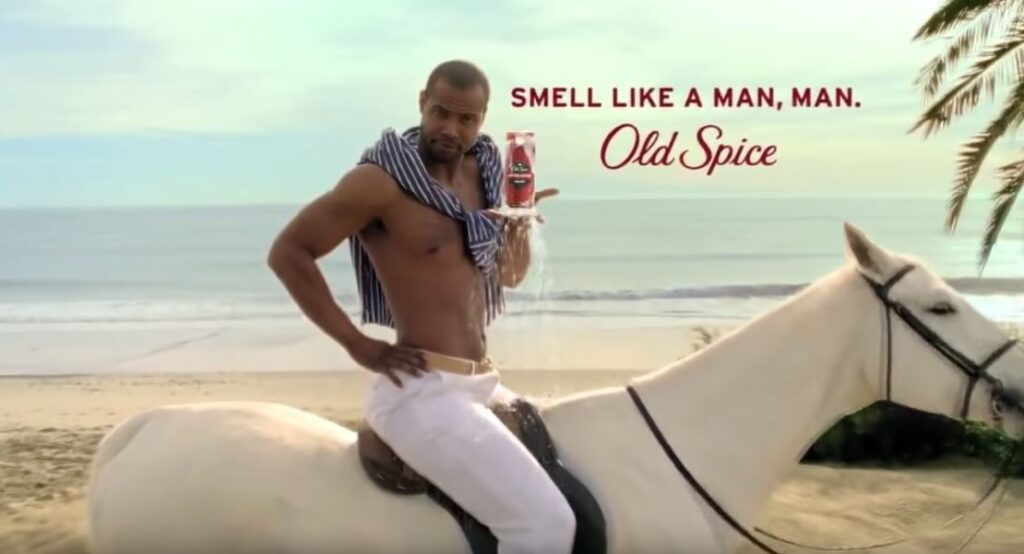
The campaign launched with a 30-second commercial during the 2010 Super Bowl featuring actor Isaiah Mustafa. Speaking directly to women, Mustafa delivered rapid-fire, humorous monologues in a single take, transitioning through fantastical settings (“I’m on a horse”) while maintaining eye contact with the camera. The tagline: “The Man Your Man Could Smell Like.”

The ad went viral, spawning sequels, parodies, and a groundbreaking digital engagement campaign that further expanded its impact.


Communication Strategy

The Old Spice campaign blended humor, direct engagement, and digital-first thinking:

  • Targeting women to reach men: Ads spoke directly to female viewers, positioning Old Spice as the product women should buy for their partners.
  • Over-the-top humor: Absurd, witty, and charismatic delivery made the ads instantly memorable and highly shareable.
  • Transmedia expansion: The campaign spread across TV, YouTube, Facebook, and Twitter, creating a cohesive multi-platform experience.
  • Interactive content: In July 2010, Old Spice launched the “Response” campaign, in which Mustafa filmed over 180 personalized video replies to fans, celebrities, and influencers—boosting engagement and viral spread.
  • Consistent character branding: Mustafa’s persona became synonymous with Old Spice, blending entertainment with product promotion.

Outcomes

The results were dramatic, both in sales and cultural impact:

  • Viral success: The initial commercial garnered over 50 million YouTube views within weeks and became one of the most shared ads of the decade.
  • Sales boost: Old Spice body wash sales reportedly increased by 125% year-over-year in the six months following the campaign.
  • Brand rejuvenation: Old Spice successfully repositioned itself with younger consumers, reclaiming cultural relevance.
  • Industry influence: The campaign set a new standard for digital interactivity in advertising, inspiring future brands to merge humor, social media, and consumer engagement.
  • Pop culture integration: “I’m on a horse” became a cultural catchphrase, referenced across media and parodied globally.

Lessons Learned

  1. Humor creates virality – Absurd, witty storytelling makes content more shareable across platforms.
  2. Target the influencer audience – Speaking to women drove indirect influence on men’s purchasing decisions.
  3. Interactivity deepens engagement – Personalized video responses turned passive viewers into active participants.
  4. Consistency builds memorability – A recurring character and tone unified the campaign across platforms.
  5. Reinvention can revitalize legacy brands – With bold creative, even “dated” brands can become culturally relevant again.

*Content on this page was curated and edited by expert humans with the creative assistance of AI.

  • facebook
  • instagram
  • linkedin

DON'T MISS ANY SPOT-ON TIPS!

We don't spam! You'll only get emails when we post something awesome.
You can unsubscribe at any time.

Check your inbox or spam folder to confirm your subscription.

©2025 | The Comm Spot | By Newbold Communication & Design