
Skip to content
The Comm Spot The Comm Spot

It's All About Communication

  • HOME
  • ABOUT
    • Meet the Creator: Curtis Newbold, PhD
    • Hire Curtis
    • Publish with Us
    • Contact
    • Privacy Notice
  • COMM-BASICS
    • Glossary
    • Citation & Style Guides
      • AP Style (Journalism)
        • AP Style Overview
        • AP Style Guidelines
        • Media Ethics – SPJ Code of Ethics
        • Elements of Newsworthiness
      • APA Style
        • APA Format – Overview
        • APA - References Guidelines
        • APA - In-text Citations
        • APA - Citing Authors
        • APA - Audiovisual Media
        • APA - Books
        • APA - Digital Sources
        • APA - Events & Interactions
        • APA - Periodicals
        • APA - Print Sources (other than books)
      • Chicago Style
        • Chicago – Overview
        • Chicago - Author-Date System
        • Chicago - Notes-Bibliography System
        • Chicago - In-text Citations
        • Chicago Style - Citing Authors
        • Chicago - Audiovisual Media
        • Chicago - Books
        • Chicago - Digital Sources
        • Chicago - Events and Interactions
        • Chicago - Citing Periodicals
        • Chicago - Print Sources (other than books)
      • MLA Style
        • MLA Overview
        • MLA Works Cited Pages
        • MLA In-text Citations
        • MLA – Authors
        • MLA – Audiovisual Media
        • MLA – Books
        • MLA – Digital Sources
        • MLA – Events & Interactions
        • MLA – Periodicals
        • MLA – Print Sources (other than books)
    • Rhetoric
      • Overview of Rhetoric
      • Rhetorical Appeals (Rhetorical Triangle)
      • Branches of Oratory
      • Canons of Rhetoric
      • Rhetorical Devices
      • Kairos
      • Topos
      • Key Figures in Rhetoric
    • Research Methods
      • Case Studies
      • Competitor Analysis
      • Content Analysis
      • Discourse Analysis
      • Ethnography
      • Focus Groups
      • Observation Research
      • S.W.O.T. Analysis
      • Secondary Research
      • Surveys
      • Target Market Analysis
      • Usability Testing
      • Visual Analysis
    • Theories
    • Thinkers
  • COMM-SUBJECTS
    • Interpersonal Communication
      • Active Listening
      • Body Language
      • Conflict Management
      • Emotional Intelligence
        • Emotional Intelligence Overview
        • Self-Awareness
        • Self-Regulation
        • Motivation
        • Empathy
        • Social Skills
        • Emotional Intelligence Resources
      • Feedback
      • Negotiation
        • Overview of Negotiation
        • Negotiation Skills
        • Negotiation Strategies & Techniques
        • Stages of Negotiation
        • Common Negotiation Scenarios
        • Negotiation Case Studies & Examples
        • Negotiation Tools & Resources
        • Negotiation FAQ
    • Journalism
    • Public Speaking
      • General Guidelines
      • Overcoming Fear
      • Speech Writing and Organization
      • Delivery Techniques
      • Body Language
      • Audience Engagement
      • Storytelling
      • Designing Slides
      • P.O.W.E.R.F.U.L. Presentation Method
    • Strategic Communication
      • Business & Org Comm
        • Definition & History
        • Org Comm Theories
        • Business Documents
        • Change Management
        • Employee Relations
        • Employment Communication
        • Group & Team Communication
        • Leadership Communication
        • Power, Identity, & Ethics at Work
        • Project Management
      • Integrated Marketing Comm
        • Definition of IMC
        • Core Principles of IMC
        • IMC Planning
        • Audience Segmentation
        • Marketing Channels
        • Message Strategies
        • Campaign Measurement & Evaluation
        • Trends & Innovations in IMC
        • Challenges & Pitfalls in IMC
        • Careers & Roles in IMC
      • Public Relations
        • Foundations in PR
        • Strategic Practice
        • Tools & Tactics
        • Research & Analysis
        • Professional Development
      • Case Studies in Strat Comm
    • Technical & Scientific Communication
    • Visual Communication
      • Data Visualization
      • Information Design
      • Photography
      • Web Design
    • Written Communication
      • Writing Process
      • Organizational Methods
        • Five Paragraph Essay
        • Hourglass Method of Writing
        • IMRaD Format (Science)
        • Indirect Method (Bad News)
        • Inverted Pyramid (Journalism)
        • Martini Glass
        • Narrative Format
        • Proposal Format
        • Rogerian Method
        • Toulmin Method
      • Plain Language
        • Audience (Plain Language)
        • Organization (Plain Language)
        • Conversation (Plain Language)
        • Simplicity (Plain Language)
        • Word Choice (Plain Language)
        • Sentence Structure (Plain Language)
        • Design (Plain Language)
      • Punctuation
        • Apostrophes
        • Brackets
        • Colons
        • Commas
        • Ellipses
        • Em Dashes
        • En Dashes
        • Exclamation Marks
        • Hyphens
        • Parentheses
        • Periods
        • Question Marks
        • Quotation Marks
        • Semicolons
      • Style
        • Clarity
        • Conciseness
        • Consistency
        • Editing
        • Flow
        • Rhetorical Devices
        • Sentence Structure
        • Storytelling
        • Tone
        • Voice
        • Word Choice
  • RESOURCES
    • Teaching Resources
      • Assignments & Activities
      • Instructional Design
      • Pedagogies
  • BLOGS
    • The Spotlight Blog
    • Comm Sparks
  • SHOP
    • Cart
    • Checkout
0
The Comm Spot
The Comm Spot

It's All About Communication

Marketing & Adertising Case Study: Google’s “Year in Search” Campaign (2010 – Present)

Home >COMM-Subjects >Strategic Communication >Case Studies in Strategic Communication >Marketing & Adertising Case Study: Google’s “Year in Search” Campaign (2010 – Present)

Overview

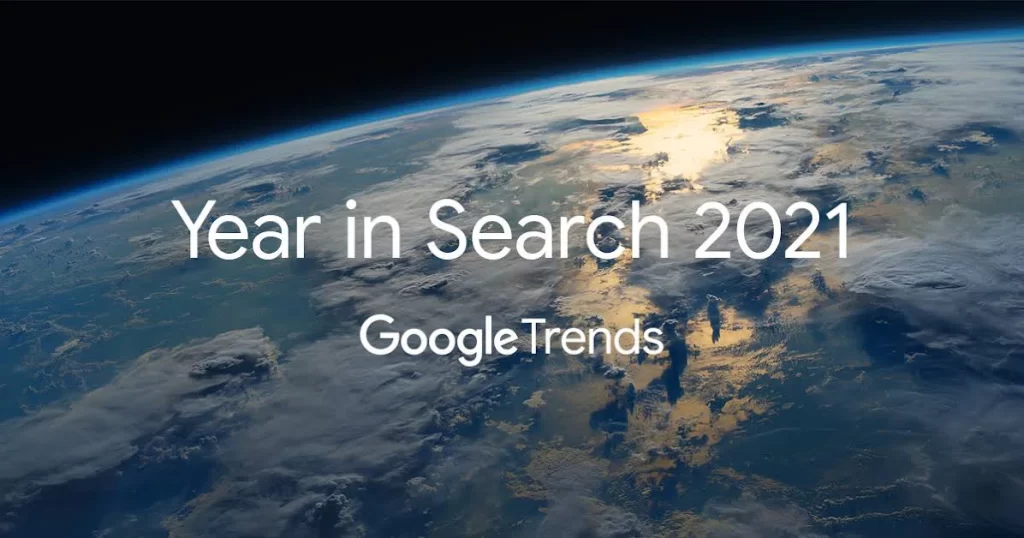
Google’s “Year in Search” campaign, launched in 2010, has become an annual tradition showcasing the most searched topics of the year through an emotional, data-driven video. By combining search trends with powerful storytelling, Google humanized its technology and positioned itself not just as a search engine, but as a cultural lens reflecting collective hopes, struggles, and milestones. The campaign demonstrates how data visualization, when paired with storytelling, can deepen brand trust and emotional connection.


Context and Events

By 2010, Google had cemented itself as the world’s dominant search engine, but its public image was largely functional—useful, but not necessarily emotional. The company wanted to highlight the human side of its platform by showing how billions of searches collectively tell the story of a year.

The first “Year in Search” video (originally called “Zeitgeist”) launched in December 2010, featuring global searches around events like the Haiti earthquake and the iPad launch. Each subsequent year, Google released a new video summarizing that year’s defining moments—from world crises and social movements to viral pop culture phenomena.

For example:

  • 2014: Focused on hope and resilience after global tragedies like Ebola and Ferguson.
  • 2020: Highlighted searches around COVID-19, racial justice, and resilience during a year of global upheaval.
  • 2021–2022: Framed searches around themes like healing, recovery, and navigating uncertainty.

Over time, the campaign became a highly anticipated annual release, much like a cultural yearbook.


Communication Strategy

The campaign succeeded by combining Google’s data with universal human storytelling:

  • Data-driven insights: Aggregated top search trends globally and locally to ground the campaign in authenticity.
  • Emotional narrative: Videos framed searches around themes like “hope,” “heroes,” or “togetherness,” creating resonance beyond raw data.
  • Global-local adaptation: Each country received its own tailored “Year in Search” version, reflecting national events.
  • Multi-platform rollout: Released on YouTube, social media, and Google’s homepage, ensuring massive visibility.
  • Brand humanization: The campaign positioned Google as more than a tech tool—an observer of human experience.

Outcomes

The “Year in Search” campaign has achieved lasting cultural impact:

  • Cultural anticipation: Millions around the world now look forward to the video each December as a way to reflect on the year.
  • Massive engagement: Individual videos regularly receive tens of millions of views on YouTube and widespread sharing on social media.
  • Brand trust: By showing its role in documenting human experiences, Google reinforced its identity as a trustworthy and essential part of daily life.
  • Industry influence: The campaign inspired similar year-in-review efforts by other companies (Spotify Wrapped, Facebook Year in Review).
  • Longevity: Running annually for more than a decade, it remains one of Google’s most consistent and beloved brand traditions.

Lessons Learned

  1. Data becomes powerful through storytelling – Numbers alone don’t inspire, but paired with narrative they become emotionally resonant.
  2. Rituals create brand traditions – An annual campaign built cultural anticipation and long-term equity.
  3. Global-local balance increases relevance – Tailoring by country ensured cultural resonance worldwide.
  4. Emotions humanize technology – By focusing on human struggles and triumphs, Google built warmth into its functional brand.
  5. Brands can act as cultural mirrors – By reflecting society back to itself, Google positioned its platform as integral to human experience.

*Content on this page was curated and edited by expert humans with the creative assistance of AI.

  • facebook
  • instagram
  • linkedin

DON'T MISS ANY SPOT-ON TIPS!

We don't spam! You'll only get emails when we post something awesome.
You can unsubscribe at any time.

Check your inbox or spam folder to confirm your subscription.

©2025 | The Comm Spot | By Newbold Communication & Design