
Overview
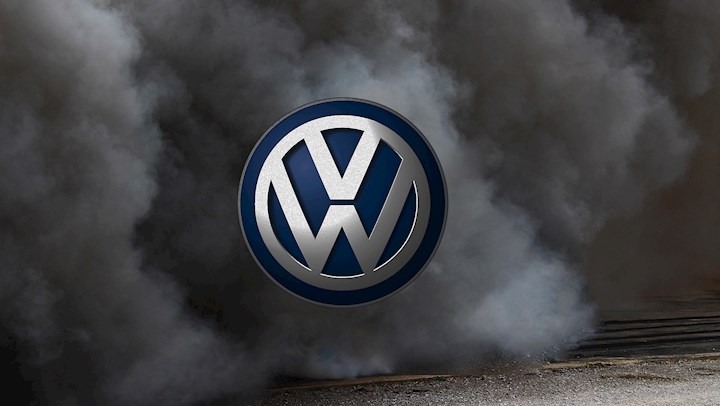
The Volkswagen (VW) emissions scandal, also known as “Dieselgate,” erupted in 2015 when it was revealed that the automaker had installed software designed to cheat emissions tests in millions of diesel vehicles. What began as a technical regulatory violation quickly spiraled into one of the most damaging corporate crises in history, undermining VW’s reputation for engineering excellence and honesty. The scandal illustrates how deception, once uncovered, can devastate brand trust and how crisis communication must balance accountability, transparency, and systemic reform.
Context and Events
For years, Volkswagen had aggressively marketed its diesel vehicles as environmentally friendly alternatives, boasting superior fuel efficiency and lower emissions. However, in September 2015, the U.S. Environmental Protection Agency (EPA) announced that VW had equipped its diesel cars with “defeat devices”—software that could detect when the car was undergoing emissions testing and alter performance to reduce nitrogen oxide (NOx) output. In normal driving conditions, these vehicles emitted up to 40 times the legal limit of pollutants.
The deception affected an estimated 11 million vehicles worldwide and implicated not only VW’s reputation but also broader trust in the German auto industry. The revelations shocked consumers, regulators, and environmental groups, sparking lawsuits, government investigations, and global condemnation.
Communication Strategy
Volkswagen’s communication response evolved through several stages, with early missteps amplifying damage:
- Initial denial: VW first downplayed the allegations, suggesting technical misunderstandings rather than deliberate fraud.
- Slow admission: As evidence mounted, VW eventually admitted to installing defeat devices, but the delay undermined credibility.
- Leadership fallout: CEO Martin Winterkorn resigned within days of the scandal breaking, though he initially tried to deflect personal responsibility.
- Public apologies: VW ran apology ads and issued statements promising to regain consumer trust, but these often rang hollow given the scale of deception.
- Systemic reforms: In the longer term, VW pledged billions to compensate consumers, fix vehicles, and invest in electric vehicle (EV) technology as part of a corporate reset.
Outcomes
The financial and reputational damage was immense. Volkswagen agreed to pay more than $30 billion in fines, settlements, and buybacks, making it one of the most expensive corporate scandals in history. Its stock price plummeted by nearly 40% in the weeks after the scandal broke.
The brand, once synonymous with German precision and reliability, became associated with deceit. The scandal also fueled broader skepticism toward “clean diesel” claims across the auto industry, accelerating the push toward electric vehicles. In the years since, Volkswagen has sought to reframe itself as a leader in EV innovation, launching its ID. series of electric cars and repositioning the company’s identity around sustainability. While VW has made strides toward recovery, Dieselgate remains a defining stain on its legacy.
Lessons Learned
- Deception destroys trust – No amount of technical innovation can offset the reputational cost of dishonesty.
- Speed of admission matters – Denials and delays only deepen public anger once the truth emerges.
- Leadership accountability is critical – Executives must take responsibility and demonstrate real consequences at the top.
- Apologies must be paired with systemic change – Words alone cannot rebuild credibility; concrete reforms are necessary.
- Crises can reshape entire industries – VW’s scandal not only damaged the company but also hastened the global transition to electric vehicles.
*Content on this page was curated and edited by expert humans with the creative assistance of AI.