
Overview
The Samsung Galaxy Note 7 recall in 2016 is remembered as one of the most high-profile product crises in consumer electronics. Shortly after launch, reports of Note 7 devices overheating, catching fire, and even exploding began circulating worldwide. Samsung’s mishandled recall process and communication missteps turned a technical defect into a reputational disaster, costing the company billions of dollars and damaging consumer trust. The case demonstrates how speed, transparency, and thoroughness are critical in managing product-related crises.
Context and Events
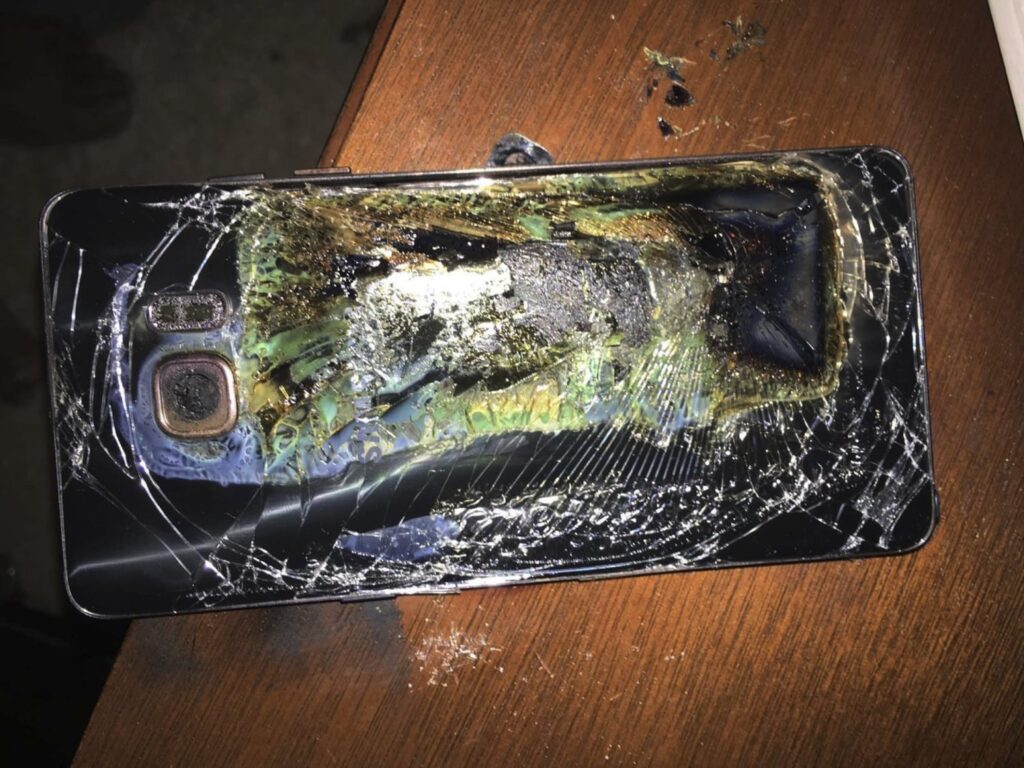
In August 2016, Samsung launched the Galaxy Note 7, its flagship smartphone designed to compete with Apple’s iPhone. Early reviews were glowing, praising its design and features. But within weeks, reports emerged of devices overheating and, in some cases, catching fire while charging. Airlines began warning passengers not to use or charge Note 7s in-flight, amplifying the perception of danger.
Samsung initially issued a voluntary recall, attributing the issue to faulty batteries from one supplier. However, replacement devices began exhibiting the same problem, forcing Samsung to halt production and issue a second, broader recall in October. By this point, the Note 7 was banned from all U.S. flights, and images of charred devices were widespread in the media. The perception of Samsung as a trusted technology leader was deeply shaken.
Communication Strategy
Samsung’s crisis communication revealed both action and missteps:
- Early recall but incomplete diagnosis: Samsung acted quickly by initiating a recall, but its initial explanation focused on one battery supplier. When replacements failed, the company’s credibility suffered.
- Mixed messages across markets: Inconsistent communication between countries and carriers created confusion about which devices were safe, leaving consumers uncertain.
- Slow leadership visibility: Top executives were not immediately visible in the public response, creating a leadership vacuum during the crisis peak.
- Proactive second recall: Once replacement phones also showed defects, Samsung halted production, expanded the recall to all Note 7s, and worked with regulators to ensure compliance.
- Long-term reputational rebuild: Samsung launched an extensive investigation into the root cause and published detailed technical findings, paired with reforms to its battery testing and product safety protocols.
Outcomes
The financial and reputational costs were enormous. Samsung recalled more than 2.5 million devices worldwide and estimated losses of over $5 billion. The Note 7 was discontinued entirely, and the product line became a symbol of corporate crisis.
However, Samsung’s long-term recovery efforts eventually restored its standing. By releasing transparent findings on the battery defects and implementing an eight-point battery safety check for all future devices, Samsung began to rebuild consumer confidence. Within a year, the company rebounded with the successful launch of the Galaxy S8, though the Note 7 crisis left a lasting cautionary mark.
Lessons Learned
- Diagnose before you declare – Rushing to assign blame (e.g., to one battery supplier) can backfire if the root cause is broader.
- Consistency across markets is vital – Confusion and mixed messaging erode trust during recalls.
- Leadership visibility signals accountability – Executives must be front and center in high-stakes crises.
- Transparency in technical explanations matters – Sharing detailed findings helped Samsung demonstrate seriousness and rebuild trust.
- Operational reforms must accompany apologies – The new safety protocols became key to Samsung’s reputational recovery.
*Content on this page was curated and edited by expert humans with the creative assistance of AI.