
Skip to content
The Comm Spot The Comm Spot

It's All About Communication

  • HOME
  • ABOUT
    • Meet the Creator: Curtis Newbold, PhD
    • Hire Curtis
    • Publish with Us
    • Contact
    • Privacy Notice
  • COMM-BASICS
    • Glossary
    • Citation & Style Guides
      • AP Style (Journalism)
        • AP Style Overview
        • AP Style Guidelines
        • Media Ethics – SPJ Code of Ethics
        • Elements of Newsworthiness
      • APA Style
        • APA Format – Overview
        • APA - References Guidelines
        • APA - In-text Citations
        • APA - Citing Authors
        • APA - Audiovisual Media
        • APA - Books
        • APA - Digital Sources
        • APA - Events & Interactions
        • APA - Periodicals
        • APA - Print Sources (other than books)
      • Chicago Style
        • Chicago – Overview
        • Chicago - Author-Date System
        • Chicago - Notes-Bibliography System
        • Chicago - In-text Citations
        • Chicago Style - Citing Authors
        • Chicago - Audiovisual Media
        • Chicago - Books
        • Chicago - Digital Sources
        • Chicago - Events and Interactions
        • Chicago - Citing Periodicals
        • Chicago - Print Sources (other than books)
      • MLA Style
        • MLA Overview
        • MLA Works Cited Pages
        • MLA In-text Citations
        • MLA – Authors
        • MLA – Audiovisual Media
        • MLA – Books
        • MLA – Digital Sources
        • MLA – Events & Interactions
        • MLA – Periodicals
        • MLA – Print Sources (other than books)
    • Rhetoric
      • Overview of Rhetoric
      • Rhetorical Appeals (Rhetorical Triangle)
      • Branches of Oratory
      • Canons of Rhetoric
      • Rhetorical Devices
      • Kairos
      • Topos
      • Key Figures in Rhetoric
    • Research Methods
      • Case Studies
      • Competitor Analysis
      • Content Analysis
      • Discourse Analysis
      • Ethnography
      • Focus Groups
      • Observation Research
      • S.W.O.T. Analysis
      • Secondary Research
      • Surveys
      • Target Market Analysis
      • Usability Testing
      • Visual Analysis
    • Theories
    • Thinkers
  • COMM-SUBJECTS
    • Interpersonal Communication
      • Active Listening
      • Body Language
      • Conflict Management
      • Emotional Intelligence
        • Emotional Intelligence Overview
        • Self-Awareness
        • Self-Regulation
        • Motivation
        • Empathy
        • Social Skills
        • Emotional Intelligence Resources
      • Feedback
      • Negotiation
        • Overview of Negotiation
        • Negotiation Skills
        • Negotiation Strategies & Techniques
        • Stages of Negotiation
        • Common Negotiation Scenarios
        • Negotiation Case Studies & Examples
        • Negotiation Tools & Resources
        • Negotiation FAQ
    • Journalism
    • Public Speaking
      • General Guidelines
      • Overcoming Fear
      • Speech Writing and Organization
      • Delivery Techniques
      • Body Language
      • Audience Engagement
      • Storytelling
      • Designing Slides
      • P.O.W.E.R.F.U.L. Presentation Method
    • Strategic Communication
      • Business & Org Comm
        • Definition & History
        • Org Comm Theories
        • Business Documents
        • Change Management
        • Employee Relations
        • Employment Communication
        • Group & Team Communication
        • Leadership Communication
        • Power, Identity, & Ethics at Work
        • Project Management
      • Integrated Marketing Comm
        • Definition of IMC
        • Core Principles of IMC
        • IMC Planning
        • Audience Segmentation
        • Marketing Channels
        • Message Strategies
        • Campaign Measurement & Evaluation
        • Trends & Innovations in IMC
        • Challenges & Pitfalls in IMC
        • Careers & Roles in IMC
      • Public Relations
        • Foundations in PR
        • Strategic Practice
        • Tools & Tactics
        • Research & Analysis
        • Professional Development
      • Case Studies in Strat Comm
    • Technical & Scientific Communication
    • Visual Communication
      • Data Visualization
      • Information Design
      • Photography
      • Web Design
    • Written Communication
      • Writing Process
      • Organizational Methods
        • Five Paragraph Essay
        • Hourglass Method of Writing
        • IMRaD Format (Science)
        • Indirect Method (Bad News)
        • Inverted Pyramid (Journalism)
        • Martini Glass
        • Narrative Format
        • Proposal Format
        • Rogerian Method
        • Toulmin Method
      • Plain Language
        • Audience (Plain Language)
        • Organization (Plain Language)
        • Conversation (Plain Language)
        • Simplicity (Plain Language)
        • Word Choice (Plain Language)
        • Sentence Structure (Plain Language)
        • Design (Plain Language)
      • Punctuation
        • Apostrophes
        • Brackets
        • Colons
        • Commas
        • Ellipses
        • Em Dashes
        • En Dashes
        • Exclamation Marks
        • Hyphens
        • Parentheses
        • Periods
        • Question Marks
        • Quotation Marks
        • Semicolons
      • Style
        • Clarity
        • Conciseness
        • Consistency
        • Editing
        • Flow
        • Rhetorical Devices
        • Sentence Structure
        • Storytelling
        • Tone
        • Voice
        • Word Choice
  • RESOURCES
    • Teaching Resources
      • Assignments & Activities
      • Instructional Design
      • Pedagogies
  • BLOGS
    • The Spotlight Blog
    • Comm Sparks
  • SHOP
    • Cart
    • Checkout
0
The Comm Spot
The Comm Spot

It's All About Communication

Brand

Home >Communication Basics >Glossary >Brand

Definition of Brand

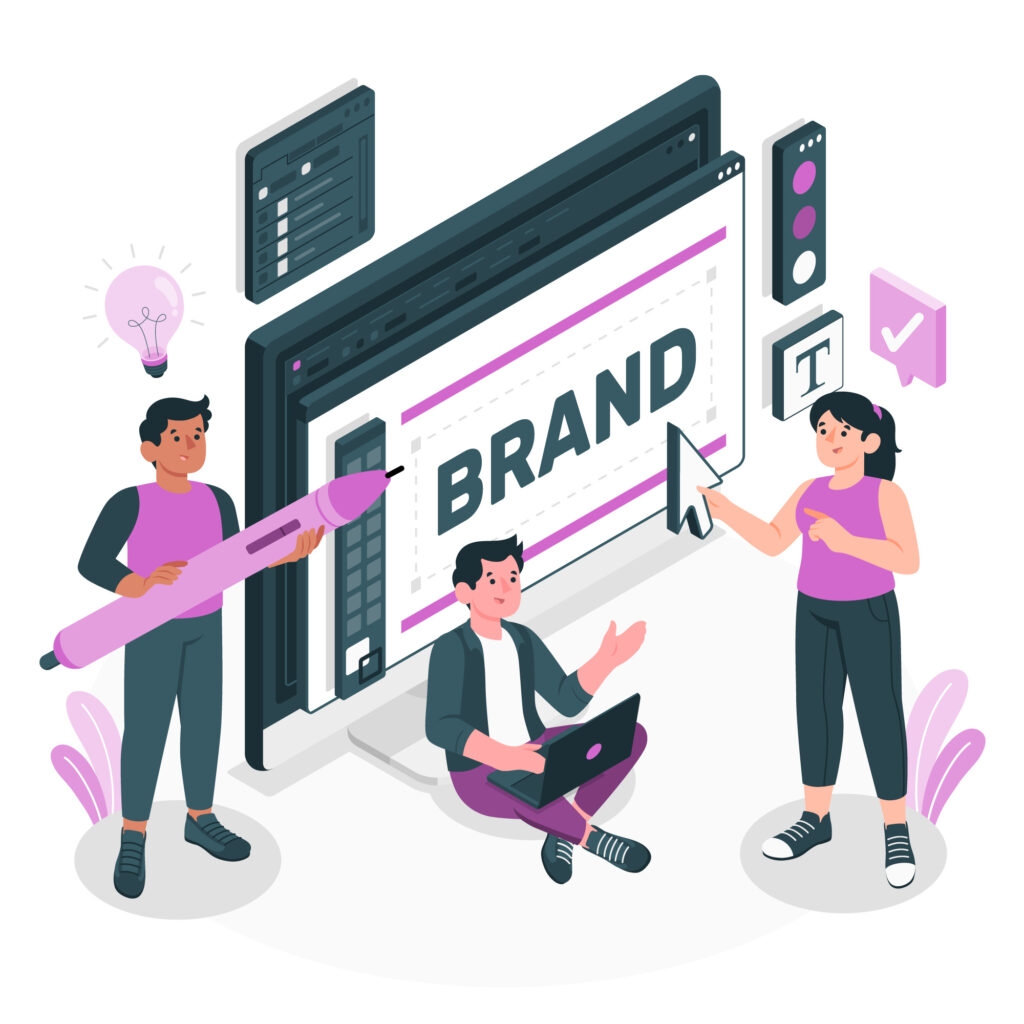
A brand, in short, is the unique identity of a company. It’s the collection of perceptions, emotions, and experiences that customers associate with all aspects of a business, including its products, services, employees, impacts, and so forth. Some key elements that contribute to a strong brand include:

  • Brand Visual Identity: This includes your visual elements like logo, colors, fonts, and overall design aesthetic.
  • Brand Values: The core principles and beliefs that guide your company’s actions and decision-making.
  • Brand Personality: The character traits and emotions associated with your brand – is it trustworthy, innovative, playful, or luxurious?
  • Brand Promise: The specific benefit or value proposition you offer to your customers.
  • Customer Experience: Every interaction a customer has with your brand, from the initial touchpoint to after-sales service, shapes their perception.

Building a strong brand requires intentionality and consistency. Every aspect of your business, from marketing materials to employee interactions, should contribute to a unified brand experience.

Why Brands Matter

Investing in brand building isn’t just about aesthetics; it offers a multitude of strategic advantages:

  • Customer Loyalty: A strong brand fosters trust and emotional connection with customers, encouraging repeat business and positive word-of-mouth marketing.
  • Competitive Differentiation: In a crowded marketplace, a well-defined brand helps you stand out from the competition, attracting your target audience and making a lasting impression.
  • Talent Acquisition: A strong brand attracts top talent who identify with your company’s values and mission.
  • Premium Pricing Power: A strong brand allows you to command a premium price for your products or services, as customers recognize the added value your brand represents.
  • Crisis Management: A well-established brand with a positive reputation is better equipped to weather negative publicity or industry downturns.

By strategically building a strong brand, you can create a sustainable competitive advantage and propel your business towards long-term success.

Examples of Branding in Action

Some real-world examples of how companies leverage branding for strategic advantage:

  • Patagonia: The popular outdoor apparel company is known for its commitment to environmental sustainability and social activism. Their brand resonates with customers who share these values, which bolsters loyalty and attracts a specific target audience.
  • Apple: Apple’s brand is synonymous with innovation, design excellence, and user-friendly technology. Their consistent brand identity across all products and marketing materials creates a seamless customer experience and a sense of premium quality.
  • Warby Parker: This online eyewear company built its brand on a foundation of affordability, convenience, and a quirky sense of humor. Their brand messaging and customer interactions reflect this playful personality, attracting a younger demographic.
  • Amazon: Amazon’s brand is built on convenience, customer service, and a vast selection of products. Their focus on delivering a seamless online shopping experience strengthens their brand promise in the minds of consumers.

These brief examples showcase how diverse companies utilize their brand to differentiate themselves, connect with their target audience, increase customer loyalty, and build long-term success.


*Content on this page was curated and edited by expert humans with the creative assistance of AI.

  • facebook
  • instagram
  • linkedin

DON'T MISS ANY SPOT-ON TIPS!

We don't spam! You'll only get emails when we post something awesome.
You can unsubscribe at any time.

Check your inbox or spam folder to confirm your subscription.

©2025 | The Comm Spot | By Newbold Communication & Design