Skip to content
The Comm Spot The Comm Spot

It's All About Communication

  • HOME
  • ABOUT
    • Meet the Creator: Curtis Newbold, PhD
    • Hire Curtis
    • Publish with Us
    • Contact
    • Privacy Notice
  • COMM-BASICS
    • Glossary
    • Citation & Style Guides
      • AP Style (Journalism)
        • AP Style Overview
        • AP Style Guidelines
        • Media Ethics – SPJ Code of Ethics
        • Elements of Newsworthiness
      • APA Style
        • APA Format – Overview
        • APA - References Guidelines
        • APA - In-text Citations
        • APA - Citing Authors
        • APA - Audiovisual Media
        • APA - Books
        • APA - Digital Sources
        • APA - Events & Interactions
        • APA - Periodicals
        • APA - Print Sources (other than books)
      • Chicago Style
        • Chicago – Overview
        • Chicago - Author-Date System
        • Chicago - Notes-Bibliography System
        • Chicago - In-text Citations
        • Chicago Style - Citing Authors
        • Chicago - Audiovisual Media
        • Chicago - Books
        • Chicago - Digital Sources
        • Chicago - Events and Interactions
        • Chicago - Citing Periodicals
        • Chicago - Print Sources (other than books)
      • MLA Style
        • MLA Overview
        • MLA Works Cited Pages
        • MLA In-text Citations
        • MLA – Authors
        • MLA – Audiovisual Media
        • MLA – Books
        • MLA – Digital Sources
        • MLA – Events & Interactions
        • MLA – Periodicals
        • MLA – Print Sources (other than books)
    • Rhetoric
      • Overview of Rhetoric
      • Rhetorical Appeals (Rhetorical Triangle)
      • Branches of Oratory
      • Canons of Rhetoric
      • Rhetorical Devices
      • Kairos
      • Topos
      • Key Figures in Rhetoric
    • Research Methods
      • Case Studies
      • Competitor Analysis
      • Content Analysis
      • Discourse Analysis
      • Ethnography
      • Focus Groups
      • Observation Research
      • S.W.O.T. Analysis
      • Secondary Research
      • Surveys
      • Target Market Analysis
      • Usability Testing
      • Visual Analysis
    • Theories
    • Thinkers
  • COMM-SUBJECTS
    • Interpersonal Communication
      • Active Listening
      • Body Language
      • Conflict Management
      • Emotional Intelligence
        • Emotional Intelligence Overview
        • Self-Awareness
        • Self-Regulation
        • Motivation
        • Empathy
        • Social Skills
        • Emotional Intelligence Resources
      • Feedback
      • Negotiation
        • Overview of Negotiation
        • Negotiation Skills
        • Negotiation Strategies & Techniques
        • Stages of Negotiation
        • Common Negotiation Scenarios
        • Negotiation Case Studies & Examples
        • Negotiation Tools & Resources
        • Negotiation FAQ
    • Journalism
    • Public Speaking
      • General Guidelines
      • Overcoming Fear
      • Speech Writing and Organization
      • Delivery Techniques
      • Body Language
      • Audience Engagement
      • Storytelling
      • Designing Slides
      • P.O.W.E.R.F.U.L. Presentation Method
    • Strategic Communication
      • Business & Org Comm
        • Definition & History
        • Org Comm Theories
        • Business Documents
        • Change Management
        • Employee Relations
        • Employment Communication
        • Group & Team Communication
        • Leadership Communication
        • Power, Identity, & Ethics at Work
        • Project Management
      • Integrated Marketing Comm
        • Definition of IMC
        • Core Principles of IMC
        • IMC Planning
        • Audience Segmentation
        • Marketing Channels
        • Message Strategies
        • Campaign Measurement & Evaluation
        • Trends & Innovations in IMC
        • Challenges & Pitfalls in IMC
        • Careers & Roles in IMC
      • Public Relations
        • Foundations in PR
        • Strategic Practice
        • Tools & Tactics
        • Research & Analysis
        • Professional Development
      • Case Studies in Strat Comm
    • Technical & Scientific Communication
    • Visual Communication
      • Data Visualization
      • Information Design
      • Photography
      • Web Design
    • Written Communication
      • Writing Process
      • Organizational Methods
        • Five Paragraph Essay
        • Hourglass Method of Writing
        • IMRaD Format (Science)
        • Indirect Method (Bad News)
        • Inverted Pyramid (Journalism)
        • Martini Glass
        • Narrative Format
        • Proposal Format
        • Rogerian Method
        • Toulmin Method
      • Plain Language
        • Audience (Plain Language)
        • Organization (Plain Language)
        • Conversation (Plain Language)
        • Simplicity (Plain Language)
        • Word Choice (Plain Language)
        • Sentence Structure (Plain Language)
        • Design (Plain Language)
      • Punctuation
        • Apostrophes
        • Brackets
        • Colons
        • Commas
        • Ellipses
        • Em Dashes
        • En Dashes
        • Exclamation Marks
        • Hyphens
        • Parentheses
        • Periods
        • Question Marks
        • Quotation Marks
        • Semicolons
      • Style
        • Clarity
        • Conciseness
        • Consistency
        • Editing
        • Flow
        • Rhetorical Devices
        • Sentence Structure
        • Storytelling
        • Tone
        • Voice
        • Word Choice
  • RESOURCES
    • Teaching Resources
      • Assignments & Activities
      • Instructional Design
      • Pedagogies
  • BLOGS
    • The Spotlight Blog
    • Comm Sparks
  • SHOP
    • Cart
    • Checkout
0
The Comm Spot
The Comm Spot

It's All About Communication

Word Cloud – Data Visualization

Home >COMM-Subjects >Visual Communication >Data Visualization >Types of Data Visualizations (Charts and Graphs) >Word Cloud – Data Visualization

Word Cloud: How to Visualize Text Through Frequency and Emphasis

A word cloud helps visualize text data by displaying words in varying sizes based on frequency or importance. Use it to reveal themes, highlight recurring language, or give audiences a quick visual summary of large bodies of text.

Turn to a word cloud when the goal is exploration or storytelling rather than precise measurement. Instead of presenting rows of text or numeric counts, the visual emphasizes which words stand out most. Larger words draw attention, helping viewers identify patterns or dominant ideas quickly.

Word clouds are especially effective in presentations, qualitative research summaries, and creative analytics where the visual impression of language matters as much as exact numbers.


Related Charts and Graphs

Several visuals relate closely to word clouds and may be better choices depending on the goal.

  • Bar charts provide precise comparisons of word frequency rather than visual emphasis.
  • Heatmap matrices show text patterns across categories or documents.
  • Network diagrams reveal relationships between words rather than individual prominence.
  • Timelines highlight when themes appear over time instead of how often they occur.
  • Topic modeling visualizations group words into conceptual clusters rather than sizing them individually.

Choosing between these options depends on whether the focus is storytelling, precision, or structural analysis.


What a Word Cloud Is

A word cloud displays words arranged in a visual layout where size, color, or placement represents importance or frequency. The most common words typically appear larger, while less frequent words remain smaller.

Common elements include:

  • Words sized by frequency or weight
  • A non-linear layout that fills space creatively
  • Color or styling to add visual emphasis
  • Minimal axes or numeric scales

Unlike traditional charts, word clouds rely on visual impression rather than exact measurement. The arrangement may appear random or shaped to fit a design, such as a circle, icon, or silhouette.

Because of their simplicity, word clouds often serve as an entry point into text analysis. They allow viewers to grasp the general tone or focus of a dataset without needing to interpret complex metrics.


When to Use a Word Cloud

Use a word cloud when the goal is to communicate themes, tone, or recurring language in a visually engaging way.

This visual works especially well when the goal is to:

  • Summarize survey responses or open-ended feedback
  • Highlight keywords from speeches or articles
  • Introduce qualitative research findings
  • Add visual interest to reports or presentations
  • Encourage audience exploration of language patterns

Word clouds work best when precision is less important than visual impact. They provide an overview rather than a detailed analysis, making them ideal for storytelling or introductory exploration.


Types of Data Sets That Work Best for a Word Cloud

Word clouds work best with large collections of text where frequency or importance can be measured.

Strong candidates include:

  • Survey comments or qualitative responses
  • Social media posts or hashtags
  • Speeches or transcripts
  • Product reviews or customer feedback
  • News articles or blog content
  • Academic abstracts or research summaries

Preprocessing often improves clarity. Removing common stop words, combining similar terms, or applying stemming techniques can make the visualization more meaningful.

Word clouds also benefit from thoughtful design choices. Consistent fonts and balanced spacing help maintain readability, especially when words vary widely in size.


Real-World Examples of a Word Cloud

Word clouds appear frequently in education, journalism, marketing, and research communication where text-based storytelling matters.

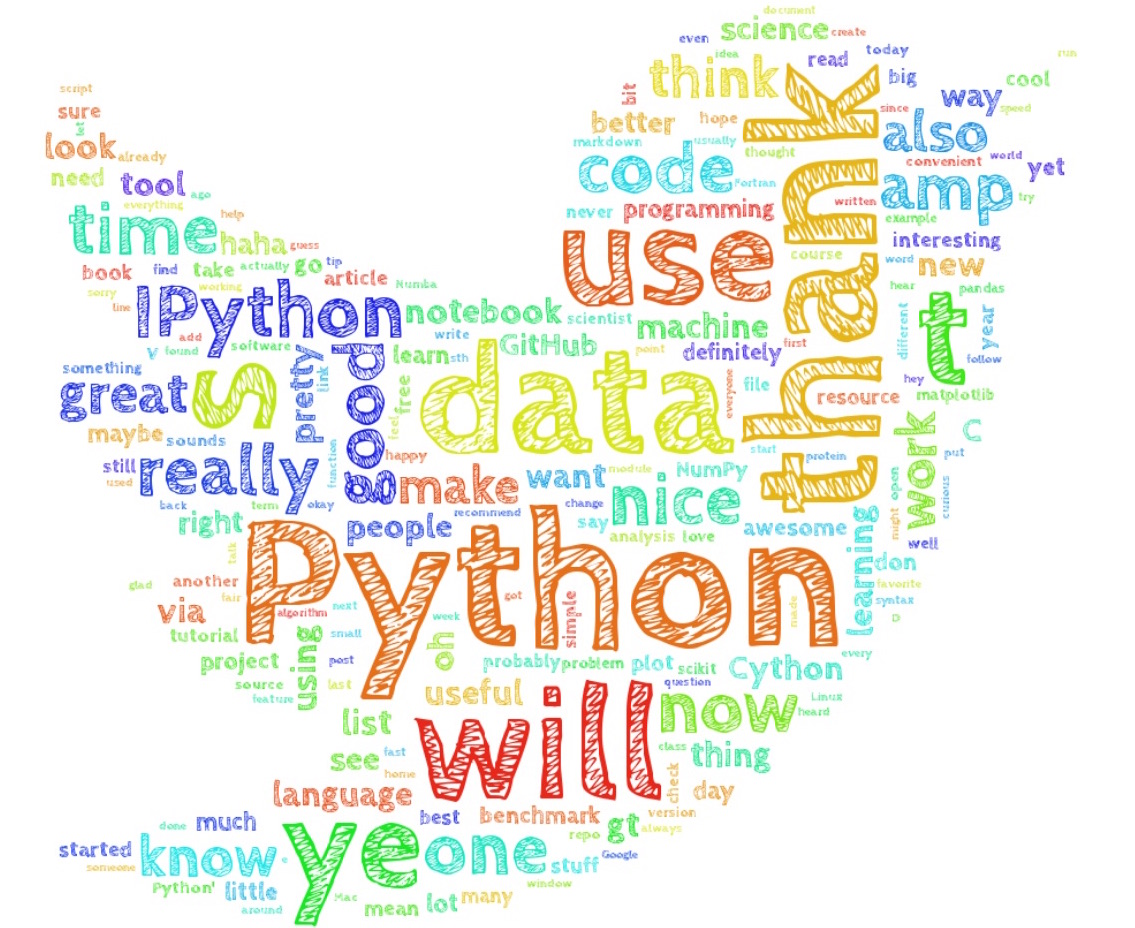
Survey Responses or Public Opinion

Sample Word Cloud
Sample Word Cloud
Sample Word Cloud

Show dominant themes emerging from open-ended feedback.


Social Media or Hashtag Analysis

Sample Word Cloud
Sample Word Cloud
Sample Word Cloud

Highlight frequently discussed topics within online conversations.


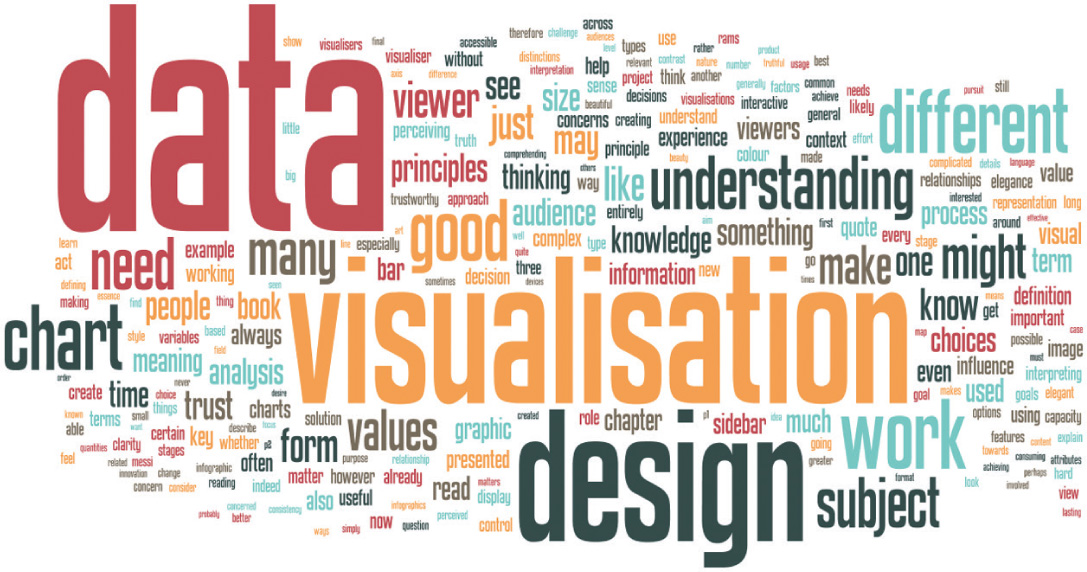
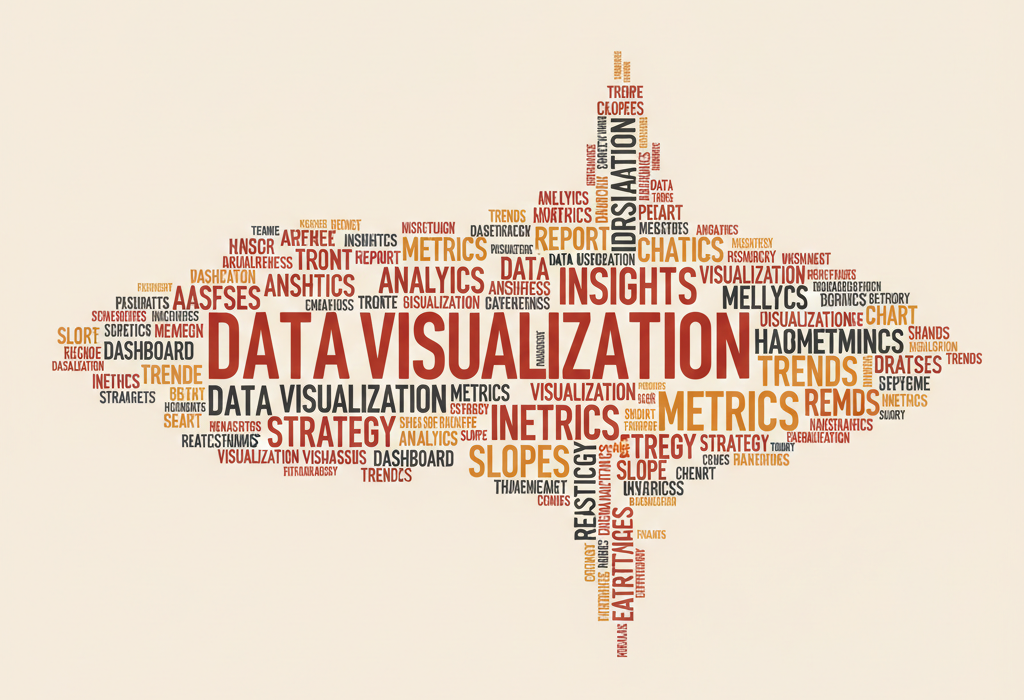
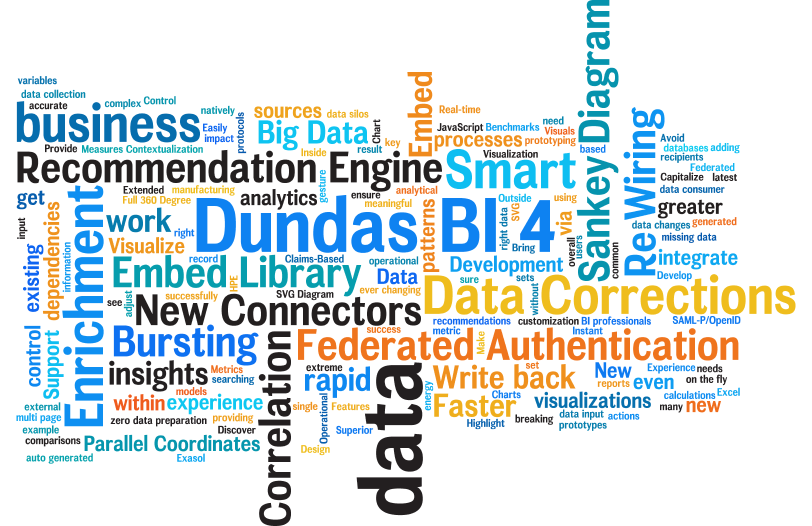
Speeches or Written Content Analysis
Sample Word Cloud
Sample Word Cloud
Sample Word Cloud

Reveal recurring themes or rhetorical focus within documents.


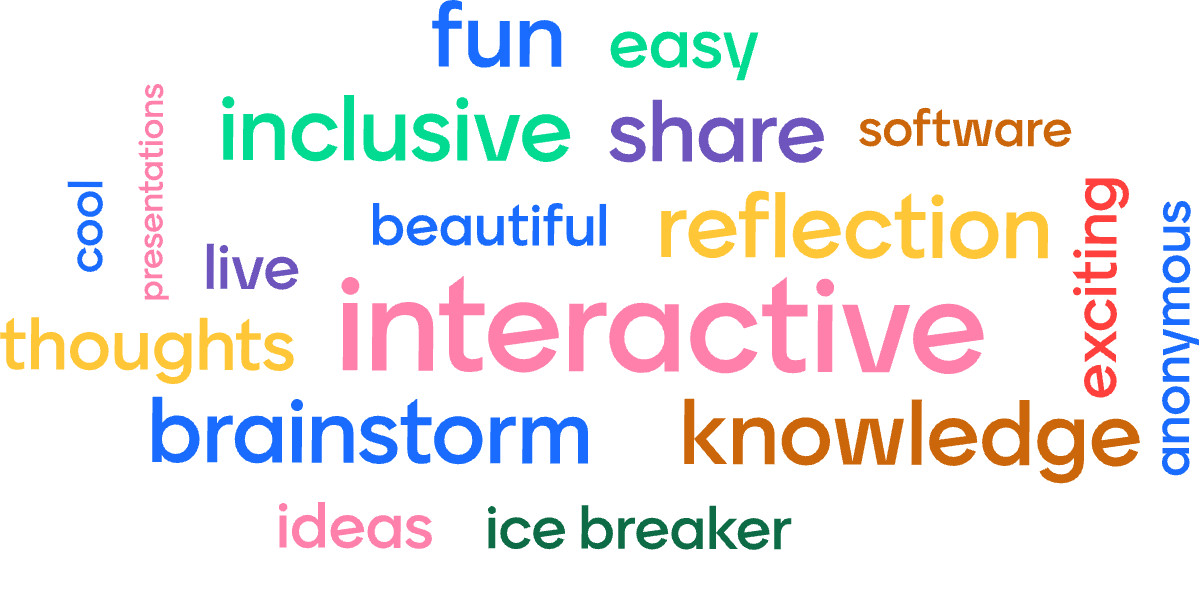
Education or Classroom Activities

Sample Word Cloud
Sample Word Cloud
Sample Word Cloud

Engage students by visualizing shared ideas or responses.


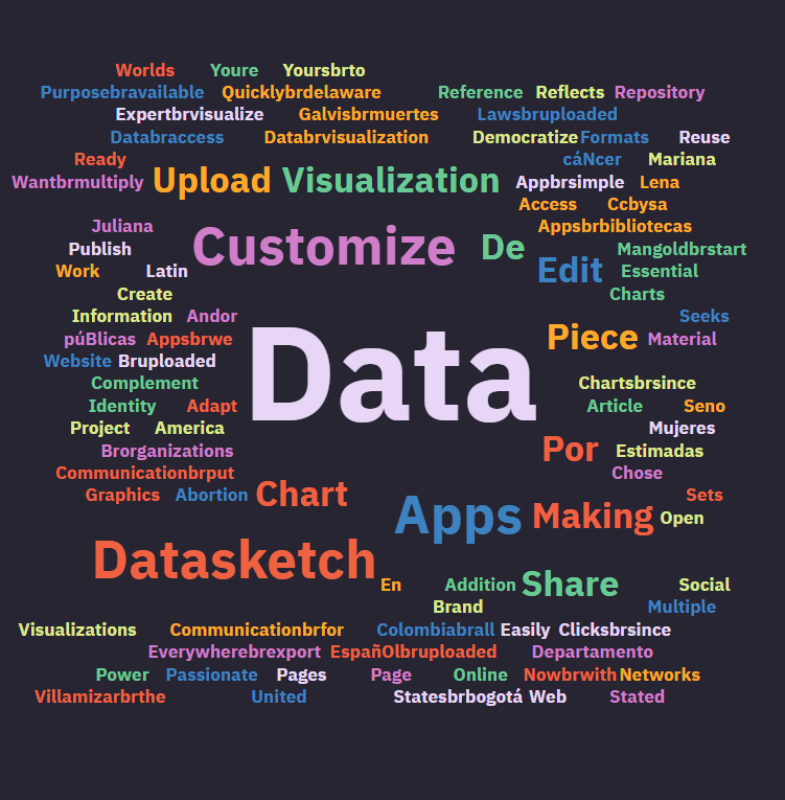
Marketing or Brand Messaging

https://images.openai.com/static-rsc-3/RC7DBYnNWQ7vWbWS2kfDs4NfWkMMFeHVvdTMRUw9WxSXtpRz1bTgq9TErQtTkOf_a8dDUOq6vxwlbVLiIBtWO6pHSxWrfpP__rBkpsZ1YYY?purpose=fullsize&v=1
https://images.ctfassets.net/rvt0uslu5yqp/6OQ6ZMULj8QEb1vyQBMNF0/a890fcda7f226c06a7173aad02a01a08/Mentimeter_Web_WordCloud_Originals_2020-02-02.svg?fm=jpg&h=630&q=90&w=1200

Show how language aligns with messaging strategies or audience perception.


What to Avoid or Be Careful Of with a Word Cloud

❌ Don’t treat size as precise measurement
Word clouds emphasize relative prominence, not exact counts.

❌ Don’t include unfiltered text
Removing stop words and irrelevant terms improves clarity.

❌ Don’t rely on complex shapes that distort readability
Design should support interpretation, not distract from it.

❌ Don’t assume viewers understand context automatically
Labels or explanations help connect words to meaning.

❌ Don’t use word clouds when detailed analysis is required
Bar charts or frequency tables often communicate quantitative insights more clearly.


*Content on this page was curated and edited by expert humans with the creative assistance of AI.

  • facebook
  • instagram
  • linkedin

DON'T MISS ANY SPOT-ON TIPS!

We don't spam! You'll only get emails when we post something awesome.
You can unsubscribe at any time.

Check your inbox or spam folder to confirm your subscription.

©2025 | The Comm Spot | By Newbold Communication & Design