
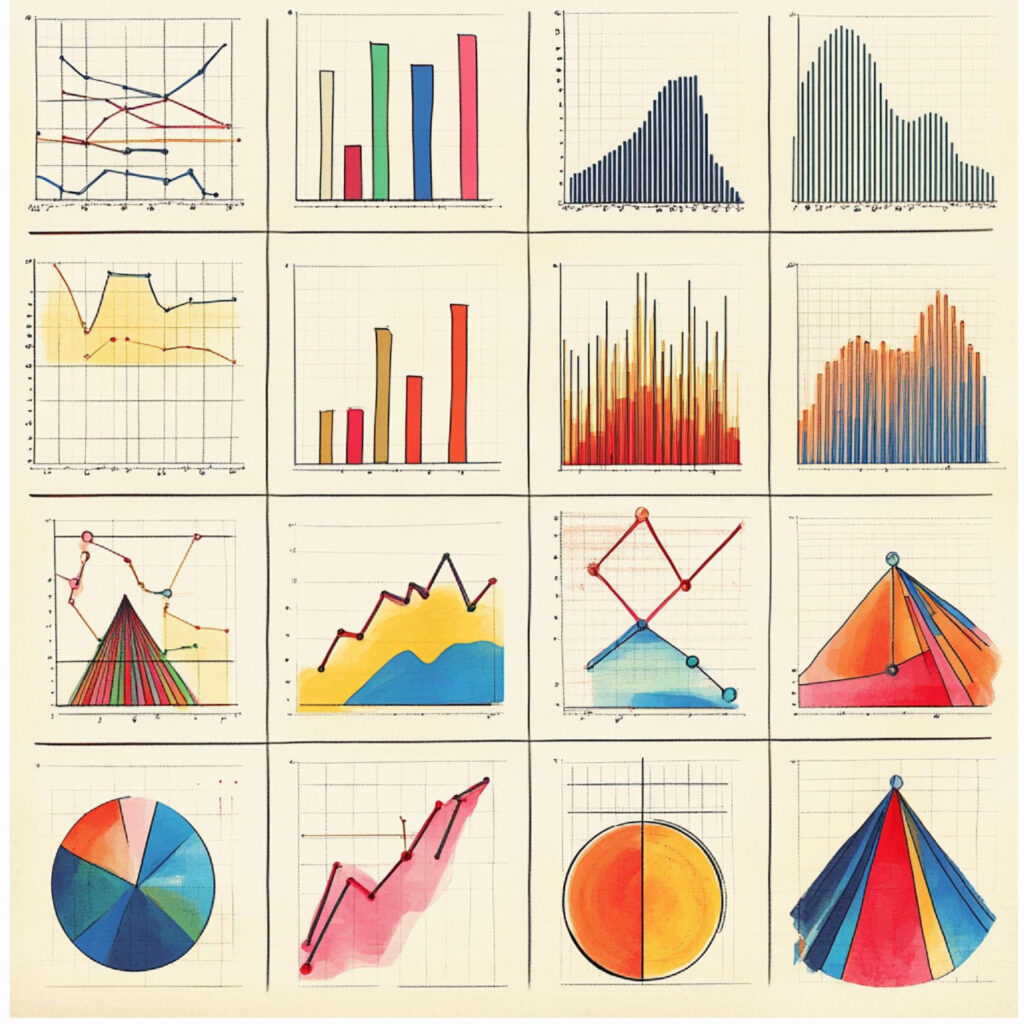
Accuracy and design are what make data visualization useful rather than misleading. Sound scaling, clear sourcing, and contextual framing build trust, while thoughtful use of color, annotation, layout, and visual storytelling guide attention and clarify meaning. Together, these practices turn raw data into clear, credible insight.

Designing Data for Accuracy
Ensure honest scales, clear sourcing, and proper context to protect the integrity of your data.
Simplification Techniques in Data Visualization
Reduce clutter and cognitive load so your audience can focus on what matters most.

Using Color to Communicate Data
Use color strategically to signal meaning, create hierarchy, and guide attention.

Organization and Layout in Data Visualization
Structure your visuals for logical flow, readability, and intuitive navigation.

Storytelling with Data
Shape your data into a clear narrative that connects patterns to purpose and insight.