
Overview / Introduction
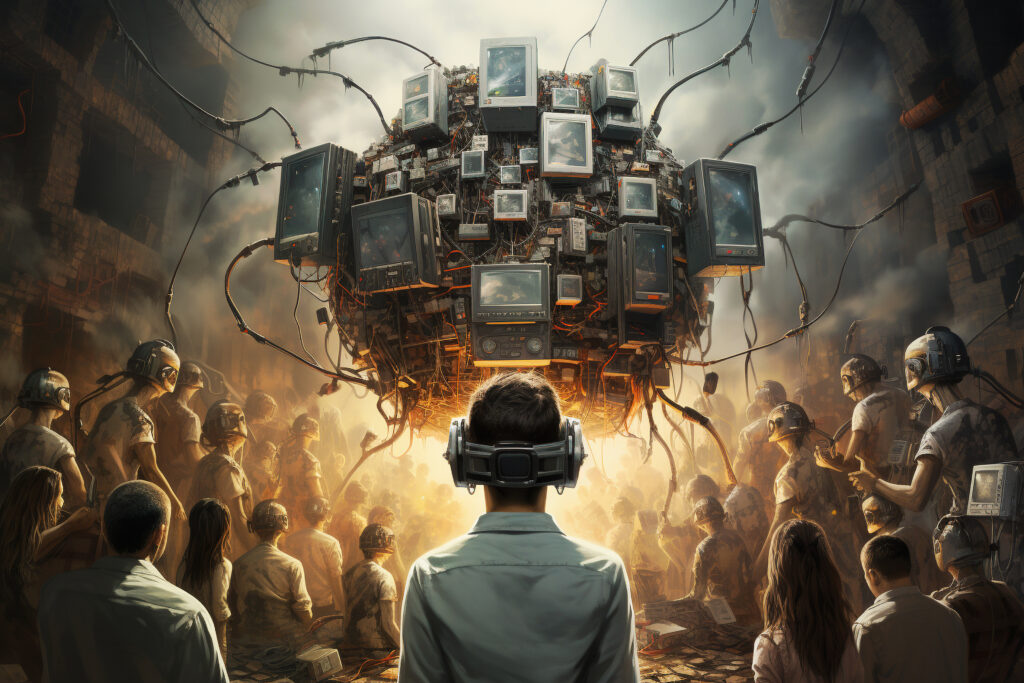
Media Ecology Theory examines how media and communication technologies shape human perception, understanding, and social organization. Popularized by Marshall McLuhan and later expanded by Neil Postman, the theory suggests that media are not just channels of information—they are environments that influence how people think, feel, and interact. Media ecology studies the interplay between technology, communication, and culture, revealing how shifts in media forms transform society itself.
History and Background
Media Ecology Theory emerged during the mid-20th century when communication scholars began questioning the assumption that media merely transmit messages. McLuhan and his contemporaries argued that each medium—print, radio, television, digital—creates a unique “ecology” that reshapes how humans experience the world.
- Marshall McLuhan introduced the term “the medium is the message” in Understanding Media: The Extensions of Man (1964).
- Neil Postman later formalized the concept of “media ecology” in the 1970s as a field of study.
- Influences include Harold Innis, whose work on time-biased and space-biased media laid the groundwork for media analysis.
- The theory gained momentum during the electronic revolution, as television and later computers redefined human attention and culture.
Today, media ecology continues to evolve in the digital era, examining how algorithms, smartphones, and social media shape public discourse, identity, and power.
Core Concepts
Media Ecology Theory views media as ecosystems—interconnected environments that affect every aspect of human experience. Its key concepts highlight how form, not just content, influences perception and social structure.
1. The Medium is the Message
McLuhan’s most famous idea asserts that the form of a medium influences how messages are perceived more than the content itself. For example, the shift from print to digital changes not only what we read but how we think and relate to information.
2. Media as Extensions of Man
Media extend human senses and capabilities. The telephone extends speech; the wheel extends the foot; the computer extends cognition. Each new medium alters the balance between our sensory and social worlds.
3. Media Environments
A media ecology includes the technologies, symbolic systems, and cultural practices that interact to form the communication environment. Each new medium creates both opportunities and constraints that redefine social norms.
4. Epochal Shifts in Communication
McLuhan identified major historical transitions in human communication:
- Oral Age: Tribal and communal.
- Literate Age: Linear and individualistic.
- Print Age: Rational, fragmented, and hierarchical.
- Electronic Age: Global, simultaneous, and participatory.
- Digital Age (extension): Networked, algorithmic, and immersive.
5. Figure and Ground
Media should be analyzed not only for their visible effects (figure) but also for their unseen environmental influences (ground)—the contexts they create and the behaviors they normalize.
Applications
Media Ecology Theory is applied widely in communication studies, media literacy, technology ethics, and cultural analysis. It offers frameworks for understanding how media transformations shape both interpersonal and societal change.
- Media Literacy Education: Helps students critically evaluate how platforms shape perception and values.
- Digital Communication Research: Analyzes social media ecosystems, algorithmic bias, and attention economies.
- Public Relations and Marketing: Examines how technological shifts alter message design and audience engagement.
- Cultural and Political Communication: Investigates how media infrastructures influence democracy, activism, and ideology.
- Organizational Communication: Studies how digital media reshape workplace collaboration and identity.
Media ecology offers a way to see media not as neutral tools but as environments that define how reality is experienced and shared.
Strengths and Contributions
Media Ecology Theory’s enduring influence lies in its holistic, interdisciplinary approach to media analysis.
- Provides a macro-level framework connecting technology, communication, and culture.
- Encourages critical reflection on how media shape human cognition and social relations.
- Introduces key metaphors and concepts—like “the global village” and “the medium is the message”—that remain central to communication theory.
- Anticipates the psychological and social consequences of digital technology long before the internet age.
- Inspires media ethics and literacy education by emphasizing awareness of media environments.
In short, media ecology transforms the way we understand not only communication but also the evolution of human consciousness.
Criticisms and Limitations
Despite its profound insights, Media Ecology Theory faces several critiques, especially regarding its scope and methodology.
- Lack of Empirical Rigor: Critics argue that media ecology relies heavily on metaphor rather than measurable data.
- Technological Determinism: McLuhan’s work is often seen as overemphasizing technology’s power while neglecting human agency.
- Ambiguity: Terms like “media environment” and “ecology” are conceptually rich but difficult to operationalize.
- Cultural Generalization: The theory sometimes universalizes Western media experiences.
- Evolving Complexity: Modern digital ecologies (AI, metaverse, etc.) challenge McLuhan’s mid-century framework.
Even so, its interpretive flexibility makes it adaptable to new media contexts, from smartphones to social algorithms.
Key Scholars and Works
Media Ecology Theory draws from a rich intellectual lineage spanning communication, philosophy, and technology studies.
- McLuhan, M. (1964). Understanding Media: The Extensions of Man. McGraw-Hill.
- McLuhan, M. (1962). The Gutenberg Galaxy: The Making of Typographic Man. University of Toronto Press.
- Innis, H. A. (1951). The Bias of Communication. University of Toronto Press.
- Postman, N. (1970). “The Reformed English Curriculum.” In High School 1980. McGraw-Hill.
- Postman, N. (1985). Amusing Ourselves to Death: Public Discourse in the Age of Show Business. Penguin Books.
- Strate, L. (2017). Media Ecology: An Approach to Understanding the Human Condition. Peter Lang Publishing.
- Meyrowitz, J. (1985). No Sense of Place: The Impact of Electronic Media on Social Behavior. Oxford University Press.
Related Theories
Media Ecology Theory intersects with a variety of media and communication frameworks.
- Technological Determinism: Argues that technology drives cultural and social change.
- Uses and Gratifications Theory: Explores individual motivations for engaging with media.
- Framing Theory: Examines how media shape perception through narrative structures.
- Cultivation Theory: Analyzes how long-term exposure to media content influences worldviews.
- Agenda-Setting Theory: Explains how media influence public priorities and discourse.
- Postmodern Communication Theory: Investigates fragmented, hyperreal, and mediated cultural experiences.
Together, these theories illuminate the symbiotic relationship between media, society, and consciousness.
Examples and Case Studies
Media Ecology Theory offers a lens through which to interpret cultural and technological shifts across history.
- The Printing Press (15th Century): Transformed collective memory and ushered in linear thinking and mass literacy.
- Television Culture (20th Century): Postman’s critique in Amusing Ourselves to Death illustrated how entertainment logic replaced rational discourse.
- The Internet and Social Media: Reconfigured identity, attention, and public discourse into networked participation.
- Smartphones: Extended human cognition and attention, creating a 24/7 connected environment.
- AI and Algorithmic Media: Influence what people see, believe, and value through invisible data ecosystems.
- “Global Village” Concept: McLuhan’s prediction of interconnectedness now realized through global digital networks.
These examples show how each new communication medium reshapes the structure of human thought and social organization.
References and Further Reading
- McLuhan, M. (1962). The Gutenberg Galaxy. University of Toronto Press.
- McLuhan, M. (1964). Understanding Media: The Extensions of Man. McGraw-Hill.
- Postman, N. (1985). Amusing Ourselves to Death. Penguin Books.
- Meyrowitz, J. (1985). No Sense of Place. Oxford University Press.
- Innis, H. A. (1951). The Bias of Communication. University of Toronto Press.
- Strate, L. (2017). Media Ecology: An Approach to Understanding the Human Condition. Peter Lang.
- Levinson, P. (1999). Digital McLuhan: A Guide to the Information Millennium. Routledge.
- Postman, N., & Weingartner, C. (1969). Teaching as a Subversive Activity. Delta Publishing.
Would you like me to create a “Media Ecology Timeline” infographic — showing the historical shift from Oral → Literate → Print → Electronic → Digital ages, with corresponding communication traits (tribal, linear, fragmented, global, networked)? It would pair beautifully with your Framing Theory and Technological Determinism visuals on TheCommSpot.com.
You said:
Now do technological determinism theory
ChatGPT said:
Excellent — here’s a full, SEO-optimized Technological Determinism Theory page for TheCommSpot.com*, written in the same structured, academic-professional style as your existing theory pages. Each section includes bold headings, two- to three-sentence introductions, and in-depth discussion tailored for communication professors, college students, and media professionals interested in technology’s role in shaping society.
Technological Determinism Theory
Meta Title: Technological Determinism Theory: How Technology Shapes Communication and Culture
Meta Description: Explore Technological Determinism Theory: origins, key concepts, applications, strengths, criticisms, and examples of how media technologies drive social and cultural change.
Overview / Introduction
Technological Determinism Theory argues that technological innovations are the primary drivers of societal change, shaping how humans think, communicate, and interact. The theory suggests that technology—not individuals or culture—plays a central role in determining social structures, values, and communication patterns. Associated most famously with Marshall McLuhan and Harold Innis, technological determinism frames media technologies as transformative forces that alter consciousness and reshape civilization.
History and Background
The concept of technological determinism emerged in the early 20th century as scholars and sociologists began to recognize technology’s influence on cultural development. However, it gained prominence through the work of communication theorists such as Harold Innis and Marshall McLuhan, who viewed media as extensions of human capabilities.
- Harold Innis (1940s–1950s) introduced the idea of time-biased and space-biased media, arguing that communication technologies shape empires and civilizations.
- Marshall McLuhan (1960s) popularized the concept through phrases like “the medium is the message” and “the global village.”
- Lewis Mumford, a historian of technology, emphasized how tools and machines redefine human potential and organization.
- Later scholars such as Neil Postman and Langdon Winner critiqued and expanded the theory in the context of modern media, digital communication, and automation.
Technological determinism arose alongside the Industrial Revolution and continues to inform how we understand media’s role in the digital revolution and beyond.
Core Concepts
At its foundation, Technological Determinism Theory views technology as an autonomous force that shapes society more than society shapes technology.
1. Technology as a Driving Force
Technological change is the primary cause of social transformation. Each new innovation—from the printing press to the smartphone—reshapes human relationships, economies, and worldviews.
2. Medium over Message
McLuhan argued that the medium itself (the channel of communication) has more influence on society than the specific content it carries. For example, television changes attention spans and cognition regardless of what’s broadcasted.
3. Communication as Extension of Humanity
Media technologies extend human senses and abilities:
- The wheel extends the foot.
- The phone extends the voice.
- The computer extends the mind.
This “extension” alters the scale, speed, and form of human interaction.
4. Epochal Shifts in Civilization
McLuhan and Innis described history as a series of technological epochs:
- Oral Culture: Memory-based, communal, and auditory.
- Written Culture: Linear, structured, and hierarchical.
- Print Culture: Mass literacy, nationalism, and rational thought.
- Electronic Culture: Instantaneous communication and global connectivity.
- Digital Culture: Algorithmic mediation and virtual experience.
5. Hard vs. Soft Determinism
- Hard Determinism: Technology independently determines social change (strong causal power).
- Soft Determinism: Technology influences but does not completely dictate social evolution; human agency still matters.
These distinctions frame the ongoing debate about how much control humans truly have over the technologies they create.
Applications
Technological Determinism Theory provides a lens for examining the cultural and psychological effects of communication technologies across time.
- Media Studies: Explains how each new medium (radio, TV, internet, AI) transforms human communication and cultural norms.
- Communication Research: Guides analysis of media effects beyond content, focusing on how technologies alter cognition and social structure.
- Sociology and Anthropology: Studies how innovations such as writing or printing reorganize societies.
- Organizational Communication: Explores how workplace technologies shape collaboration and hierarchy.
- Digital Ethics and AI: Informs debates about automation, surveillance, and technological control.
- Education and Pedagogy: Encourages awareness of how digital tools reshape attention, learning, and literacy.
By viewing technology as an active agent, the theory helps explain why technological change often precedes social and cultural adaptation.
Strengths and Contributions
Technological Determinism has been one of the most influential paradigms in media and cultural studies, shaping how generations of scholars understand communication technology.
- Highlights the transformative power of technological innovation.
- Connects communication and culture, showing their mutual dependency.
- Encourages holistic thinking about media environments and their long-term effects.
- Anticipates modern digital trends, including automation, globalization, and algorithmic culture.
- Bridges disciplines—linking communication, sociology, philosophy, and cultural studies.
McLuhan’s foresight about electronic media’s immersive effects makes this theory increasingly relevant in the digital age.
Criticisms and Limitations
Although influential, Technological Determinism Theory has faced criticism for its reductionist and deterministic assumptions.
- Overemphasis on Technology: Critics argue it neglects human choice, policy, and culture.
- Technological Determinism vs. Social Construction: Many scholars emphasize that society shapes how technologies are used (see Social Construction of Technology theory).
- Historical Simplification: Overgeneralizes complex historical changes.
- Lack of Empirical Evidence: Often based on philosophical reflection rather than data.
- Technological Neutrality Myth: Modern scholars argue that technology and society co-create one another rather than one determining the other.
Despite these critiques, the theory remains a provocative lens for analyzing how communication tools redefine human possibility.
Key Scholars and Works
Technological Determinism has been explored, debated, and refined by numerous communication scholars and theorists.
- McLuhan, M. (1962). The Gutenberg Galaxy: The Making of Typographic Man. University of Toronto Press.
- McLuhan, M. (1964). Understanding Media: The Extensions of Man. McGraw-Hill.
- Innis, H. A. (1951). The Bias of Communication. University of Toronto Press.
- Postman, N. (1992). Technopoly: The Surrender of Culture to Technology. Vintage Books.
- Mumford, L. (1934). Technics and Civilization. Harcourt Brace.
- Winner, L. (1977). Autonomous Technology: Technics-out-of-Control as a Theme in Political Thought. MIT Press.
- Ellul, J. (1964). The Technological Society. Vintage Books.
Related Theories
Technological Determinism Theory connects with several major frameworks in media, culture, and communication.
- Media Ecology Theory: Studies the interaction between media environments and human perception.
- Social Construction of Technology (SCOT): Argues that technology develops through cultural and social negotiation.
- Diffusion of Innovations Theory: Explains how technological adoption spreads through society.
- Postmodern Communication Theory: Explores how technology fragments meaning and identity.
- Network Society Theory (Castells): Examines the power dynamics of information-age technologies.
- Global Village Concept: McLuhan’s idea that electronic media collapse distance and create interconnected communities.
Together, these theories help contextualize how technology interacts with—and sometimes dictates—the evolution of culture.
Examples and Case Studies
Technological Determinism can be seen in nearly every major communication revolution in human history.
- The Printing Press (15th Century): Democratized knowledge, fueled literacy, and accelerated the Reformation.
- Telegraph and Telephone: Collapsed time and space, changing business and personal communication forever.
- Television: Reoriented culture toward visual storytelling and entertainment as public discourse.
- Internet and Social Media: Transformed identity, community, and politics, creating a 24/7 information environment.
- Artificial Intelligence: Raises questions of agency and control—echoing McLuhan’s warning that “we shape our tools, and thereafter our tools shape us.”
- Smartphones: Redefined attention, relationships, and presence in modern life.
Each of these innovations reshaped how humans perceive reality and connect with one another.
References and Further Reading
- McLuhan, M. (1962). The Gutenberg Galaxy: The Making of Typographic Man. University of Toronto Press.
- McLuhan, M. (1964). Understanding Media: The Extensions of Man. McGraw-Hill.
- Innis, H. A. (1951). The Bias of Communication. University of Toronto Press.
- Postman, N. (1992). Technopoly: The Surrender of Culture to Technology. Vintage Books.
- Winner, L. (1977). Autonomous Technology. MIT Press.
- Ellul, J. (1964). The Technological Society. Vintage Books.
- Mumford, L. (1934). Technics and Civilization. Harcourt Brace.
- Castells, M. (1996). The Rise of the Network Society. Wiley-Blackwell.
*Content on this page was curated and edited by expert humans with the creative assistance of AI.