
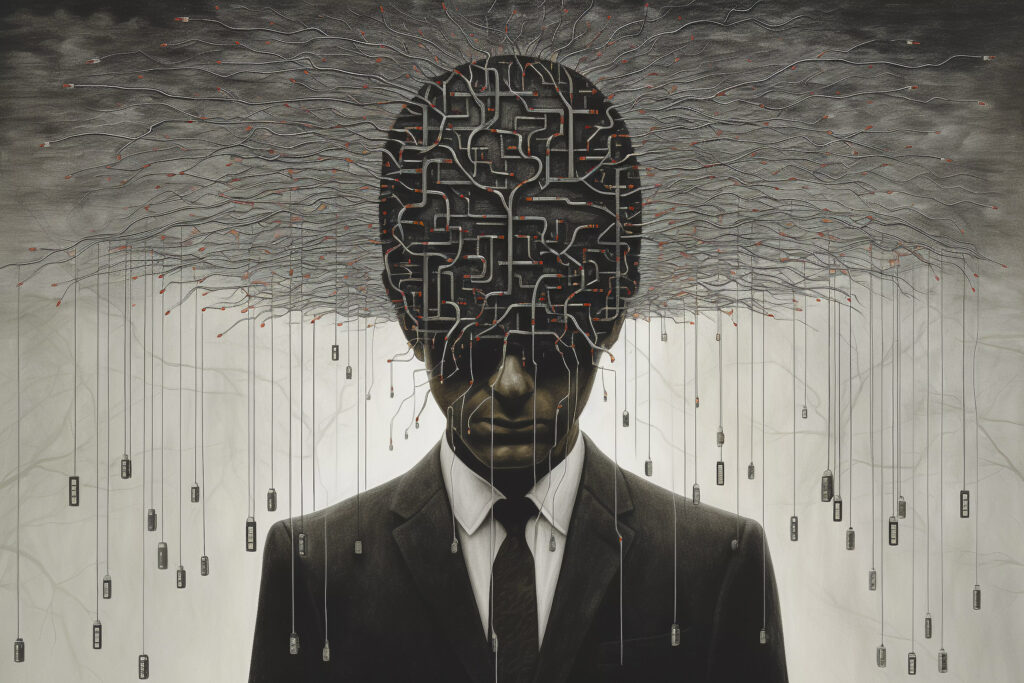
Overview / Introduction
Gatekeeping Theory explains how information is filtered, selected, and shaped before reaching audiences. Originally developed in the context of journalism, the theory explores how “gatekeepers” such as editors, journalists, and media organizations decide what information becomes news and how it is presented.
History and Background
Gatekeeping Theory was first introduced in the mid-20th century to describe the decision-making process within news organizations. The concept originated with social psychologist Kurt Lewin, who used “gatekeeping” as a metaphor for controlling food pathways in households—later applied to communication by David Manning White in his landmark study of news editing. Over time, the theory expanded to include all forms of information control in mass media, organizations, and digital platforms.
- Introduced by Kurt Lewin (1947) in studies on social systems and decision-making.
- Applied to journalism by David Manning White (1950) in “The Gatekeeper: A Case Study in the Selection of News.”
- Evolved through Pamela Shoemaker and Tim Vos, who modernized it for the digital media era.
- Central to understanding news production, framing, and media power.
Core Concepts
At its core, Gatekeeping Theory examines how individuals and institutions decide which information passes through “gates” to the public. These decisions are shaped by personal, organizational, social, and technological influences.
- Gatekeepers: Individuals or groups (e.g., editors, journalists, producers, algorithms) who control the flow of information.
- Gates: Decision points where information is filtered, modified, or stopped before reaching an audience.
- Gatekeeping Process: Involves selection, shaping, timing, and placement of information.
- Influencing Factors: Personal values, organizational routines, professional norms, audience expectations, and economic pressures.
- Technology as Gatekeeper: In the digital era, algorithms and platform moderation play major roles in determining visibility and access to information.
Applications
Gatekeeping Theory applies to journalism, public relations, organizational communication, and digital media. It helps explain how media systems construct reality by prioritizing certain topics, sources, and perspectives over others.
- Journalism and News Media: Explains how editorial decisions determine which stories reach the public.
- Public Relations: Helps organizations understand how to pitch stories and navigate media filters.
- Social Media Platforms: Algorithms act as modern gatekeepers that determine what users see in feeds and search results.
- Organizational Communication: Describes how internal communication is managed and information is shared within institutions.
- Political Communication: Analyzes how gatekeeping shapes public opinion and agenda-setting.
Strengths and Contributions
Gatekeeping Theory’s greatest strength is its adaptability—it remains relevant across evolving communication technologies and media structures. It offers a powerful framework for understanding how access to information is mediated and how public discourse is shaped.
- Provides insight into media power and influence in shaping social knowledge.
- Highlights the subjective and selective nature of information dissemination.
- Explains how economic and cultural pressures influence media content.
- Offers a basis for studying bias, framing, and media ethics.
Criticisms and Limitations
While foundational, Gatekeeping Theory has been critiqued for oversimplifying complex information flows in the modern media ecosystem. The rise of social media and participatory culture challenges traditional gatekeeping models.
- Overemphasizes top-down control, overlooking user-generated and peer-to-peer communication.
- Assumes a limited number of gatekeepers in a world now filled with networked publics.
- Critics argue it lacks predictive power in decentralized and algorithm-driven communication environments.
- Ethical concerns arise when gatekeeping leads to censorship or biased framing.
Key Scholars and Works
Gatekeeping Theory has evolved through decades of research, adapting to changing technologies and communication landscapes. These key scholars and works define its development and enduring relevance.
- Lewin, K. (1947). “Frontiers in Group Dynamics: Channels of Group Life, Social Planning, and Action Research.” Human Relations.
- White, D. M. (1950). “The Gatekeeper: A Case Study in the Selection of News.” Journalism Quarterly, 27(3), 383–390.*
- Shoemaker, P. J. (1991). Gatekeeping. Sage.
- Shoemaker, P. J., & Vos, T. (2009). Gatekeeping Theory. Routledge.
- Barzilai-Nahon, K. (2008). “Toward a Theory of Network Gatekeeping: A Framework for Exploring Information Control.” Journal of the American Society for Information Science and Technology, 59(9), 1493–1512.*
Related Theories
Gatekeeping Theory connects with multiple communication frameworks that explore power, message control, and media effects. These related theories extend its insights into broader contexts of influence and interpretation.
- Agenda-Setting Theory: Builds on gatekeeping by explaining how selected topics shape public priorities.
- Framing Theory: Examines how chosen messages are presented and interpreted by audiences.
- Spiral of Silence Theory: Explores how media gatekeeping affects public willingness to express opinions.
- Two-Step Flow Theory: Describes how opinion leaders act as interpersonal gatekeepers.
- Network Gatekeeping Theory: Modern extension focusing on information control in digital and online networks.
Examples and Case Studies
Gatekeeping Theory applies to a wide range of real-world media and communication scenarios. These examples demonstrate how information control influences public understanding and discourse.
- News Selection: Editors prioritize certain political or social issues while omitting others, shaping national conversation.
- Crisis Communication: Public relations professionals act as gatekeepers by crafting messages that filter sensitive information.
- Social Media Algorithms: Platforms like Facebook and TikTok use algorithms to determine which content gains visibility.
- Citizen Journalism: The rise of user-generated content challenges traditional journalistic gatekeepers.
- Political Campaigns: Communication strategists use media relationships to control message framing and timing.
References and Further Reading
- Lewin, K. (1947). “Frontiers in Group Dynamics: Channels of Group Life, Social Planning, and Action Research.” Human Relations.
- White, D. M. (1950). “The Gatekeeper: A Case Study in the Selection of News.” Journalism Quarterly, 27(3), 383–390.*
- Shoemaker, P. J. (1991). Gatekeeping. Sage.
- Shoemaker, P. J., & Vos, T. (2009). Gatekeeping Theory. Routledge.
- Barzilai-Nahon, K. (2008). “Toward a Theory of Network Gatekeeping: A Framework for Exploring Information Control.” Journal of the American Society for Information Science and Technology, 59(9), 1493–1512.*
- Shoemaker, P. J., Eichholz, M., Kim, E., & Wrigley, B. (2001). “Individual and Routine Forces in Gatekeeping.” Journal of Communication, 52(2), 233–246.*
*Content on this page was curated and edited by expert humans with the creative assistance of AI.