
Skip to content
The Comm Spot The Comm Spot

It's All About Communication

  • HOME
  • ABOUT
    • Meet the Creator: Curtis Newbold, PhD
    • Hire Curtis
    • Publish with Us
    • Contact
    • Privacy Notice
  • COMM-BASICS
    • Glossary
    • Citation & Style Guides
      • AP Style (Journalism)
        • AP Style Overview
        • AP Style Guidelines
        • Media Ethics – SPJ Code of Ethics
        • Elements of Newsworthiness
      • APA Style
        • APA Format – Overview
        • APA - References Guidelines
        • APA - In-text Citations
        • APA - Citing Authors
        • APA - Audiovisual Media
        • APA - Books
        • APA - Digital Sources
        • APA - Events & Interactions
        • APA - Periodicals
        • APA - Print Sources (other than books)
      • Chicago Style
        • Chicago – Overview
        • Chicago - Author-Date System
        • Chicago - Notes-Bibliography System
        • Chicago - In-text Citations
        • Chicago Style - Citing Authors
        • Chicago - Audiovisual Media
        • Chicago - Books
        • Chicago - Digital Sources
        • Chicago - Events and Interactions
        • Chicago - Citing Periodicals
        • Chicago - Print Sources (other than books)
      • MLA Style
        • MLA Overview
        • MLA Works Cited Pages
        • MLA In-text Citations
        • MLA – Authors
        • MLA – Audiovisual Media
        • MLA – Books
        • MLA – Digital Sources
        • MLA – Events & Interactions
        • MLA – Periodicals
        • MLA – Print Sources (other than books)
    • Rhetoric
      • Overview of Rhetoric
      • Rhetorical Appeals (Rhetorical Triangle)
      • Branches of Oratory
      • Canons of Rhetoric
      • Rhetorical Devices
      • Kairos
      • Topos
      • Key Figures in Rhetoric
    • Research Methods
      • Case Studies
      • Competitor Analysis
      • Content Analysis
      • Discourse Analysis
      • Ethnography
      • Focus Groups
      • Observation Research
      • S.W.O.T. Analysis
      • Secondary Research
      • Surveys
      • Target Market Analysis
      • Usability Testing
      • Visual Analysis
    • Theories
    • Thinkers
  • COMM-SUBJECTS
    • Interpersonal Communication
      • Active Listening
      • Body Language
      • Conflict Management
      • Emotional Intelligence
        • Emotional Intelligence Overview
        • Self-Awareness
        • Self-Regulation
        • Motivation
        • Empathy
        • Social Skills
        • Emotional Intelligence Resources
      • Feedback
      • Negotiation
        • Overview of Negotiation
        • Negotiation Skills
        • Negotiation Strategies & Techniques
        • Stages of Negotiation
        • Common Negotiation Scenarios
        • Negotiation Case Studies & Examples
        • Negotiation Tools & Resources
        • Negotiation FAQ
    • Journalism
    • Public Speaking
      • General Guidelines
      • Overcoming Fear
      • Speech Writing and Organization
      • Delivery Techniques
      • Body Language
      • Audience Engagement
      • Storytelling
      • Designing Slides
      • P.O.W.E.R.F.U.L. Presentation Method
    • Strategic Communication
      • Business & Org Comm
        • Definition & History
        • Org Comm Theories
        • Business Documents
        • Change Management
        • Employee Relations
        • Employment Communication
        • Group & Team Communication
        • Leadership Communication
        • Power, Identity, & Ethics at Work
        • Project Management
      • Integrated Marketing Comm
        • Definition of IMC
        • Core Principles of IMC
        • IMC Planning
        • Audience Segmentation
        • Marketing Channels
        • Message Strategies
        • Campaign Measurement & Evaluation
        • Trends & Innovations in IMC
        • Challenges & Pitfalls in IMC
        • Careers & Roles in IMC
      • Public Relations
        • Foundations in PR
        • Strategic Practice
        • Tools & Tactics
        • Research & Analysis
        • Professional Development
      • Case Studies in Strat Comm
    • Technical & Scientific Communication
    • Visual Communication
      • Data Visualization
      • Information Design
      • Photography
      • Web Design
    • Written Communication
      • Writing Process
      • Organizational Methods
        • Five Paragraph Essay
        • Hourglass Method of Writing
        • IMRaD Format (Science)
        • Indirect Method (Bad News)
        • Inverted Pyramid (Journalism)
        • Martini Glass
        • Narrative Format
        • Proposal Format
        • Rogerian Method
        • Toulmin Method
      • Plain Language
        • Audience (Plain Language)
        • Organization (Plain Language)
        • Conversation (Plain Language)
        • Simplicity (Plain Language)
        • Word Choice (Plain Language)
        • Sentence Structure (Plain Language)
        • Design (Plain Language)
      • Punctuation
        • Apostrophes
        • Brackets
        • Colons
        • Commas
        • Ellipses
        • Em Dashes
        • En Dashes
        • Exclamation Marks
        • Hyphens
        • Parentheses
        • Periods
        • Question Marks
        • Quotation Marks
        • Semicolons
      • Style
        • Clarity
        • Conciseness
        • Consistency
        • Editing
        • Flow
        • Rhetorical Devices
        • Sentence Structure
        • Storytelling
        • Tone
        • Voice
        • Word Choice
  • RESOURCES
    • Teaching Resources
      • Assignments & Activities
      • Instructional Design
      • Pedagogies
  • BLOGS
    • The Spotlight Blog
    • Comm Sparks
  • SHOP
    • Cart
    • Checkout
0
The Comm Spot
The Comm Spot

It's All About Communication

Marketing & Advertising Case Study: Budweiser “Whassup” Campaign (1999)

Home >COMM-Subjects >Strategic Communication >Case Studies in Strategic Communication >Marketing & Advertising Case Study: Budweiser “Whassup” Campaign (1999)

Overview

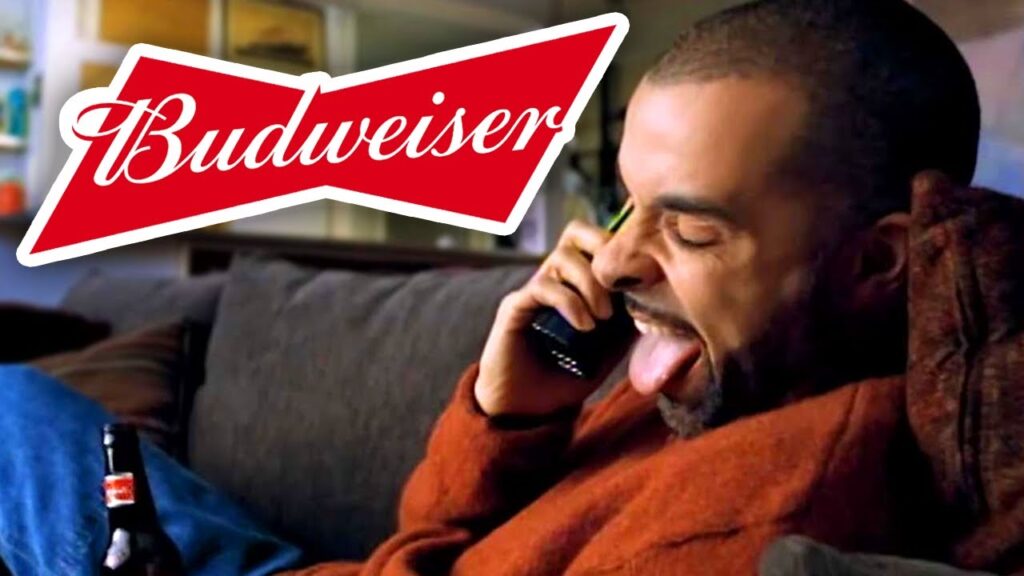
Budweiser’s “Whassup?!” campaign, launched in 1999, became one of the most iconic beer ads of all time, embedding a simple phrase into global pop culture. Featuring a group of friends greeting each other with exaggerated shouts of “Whassup?!,” the ad resonated with audiences for its authenticity, humor, and relatability. The campaign demonstrated the power of catchphrases, cultural timing, and humor in building brand identity and consumer connection.


Context and Events

By the late 1990s, Budweiser was looking for fresh creative to connect with younger drinkers and stand out in a crowded beer market. Ad agency DDB Chicago developed a concept based on a short film called True by Charles Stone III, which featured Stone and his friends using “Whassup” as a laid-back greeting.

Budweiser adapted the film into a TV spot: four friends, each in their own homes, watching a football game and repeatedly shouting “Whassup?!” into their phones. The simplicity, humor, and authenticity struck a chord with viewers.

Premiering during Monday Night Football in December 1999, the ad quickly became a sensation, spawning sequels, parodies, and international adaptations.


Communication Strategy

The “Whassup” campaign was built on humor, relatability, and cultural stickiness:

  • Authenticity: Using real-life friends and natural banter created a sense of genuine connection rather than polished acting.
  • Simplicity: A single word—stretched into endless variations—was easy to remember, repeat, and share.
  • Humor: Exaggerated greetings captured the joy of casual friendship, aligning with beer’s social positioning.
  • Cultural timing: The campaign tapped into late-90s pop culture, where catchphrases and “watercooler moments” spread rapidly.
  • Global adaptability: The format was easily localized for different languages and cultures while retaining the central joke.

Outcomes

The campaign was a runaway success:

  • Cultural catchphrase: “Whassup?!” became a worldwide greeting, referenced in movies, TV shows, and everyday conversation.
  • Awards: The campaign won the Grand Prix at the Cannes Lions International Advertising Festival (2000) and multiple Clio Awards.
  • Sales impact: Budweiser strengthened its position as the top-selling beer in the U.S., especially with younger demographics.
  • Longevity and revival: Though retired in 2002, “Whassup?!” was revived in later campaigns, including a 2008 parody commenting on politics and a 2020 reboot encouraging connection during COVID-19 lockdowns.
  • Pop culture immortality: Parodied by The Simpsons, Scary Movie, and countless comedians, the ad achieved rare cultural immortality.

Lessons Learned

  1. Catchphrases can become culture – A simple, repeatable phrase can transcend advertising and enter everyday language.
  2. Authenticity resonates – Using real people and natural dialogue made the ad relatable.
  3. Humor builds memorability – Funny, low-concept ads can be more powerful than elaborate productions.
  4. Cultural timing matters – Releasing during sports programming maximized resonance with beer’s target audience.
  5. Campaigns can have second lives – Nostalgia and adaptability allowed “Whassup” to return years later with new relevance.

*Content on this page was curated and edited by expert humans with the creative assistance of AI.

  • facebook
  • instagram
  • linkedin

DON'T MISS ANY SPOT-ON TIPS!

We don't spam! You'll only get emails when we post something awesome.
You can unsubscribe at any time.

Check your inbox or spam folder to confirm your subscription.

©2025 | The Comm Spot | By Newbold Communication & Design