
Overview
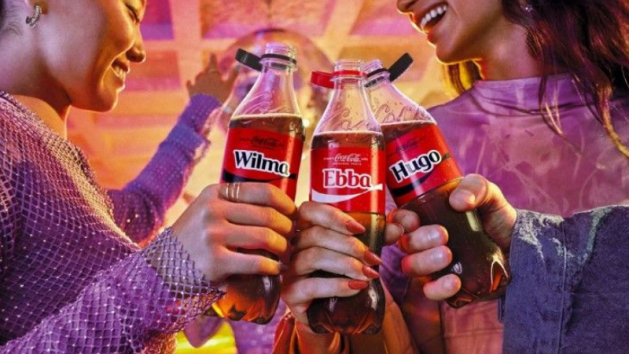
Coca-Cola’s “Share a Coke” campaign, first launched in Australia in 2011, is one of the most successful personalized marketing campaigns in modern history. By replacing its iconic logo with popular first names on bottles and cans, Coca-Cola transformed a simple product into a personal and shareable experience. The campaign reinvigorated sales, drove social media buzz, and showed how personalization could deepen consumer connection to a global brand.
Context and Events
By the early 2010s, Coca-Cola was facing slowing sales in key markets. Younger consumers in particular were drifting toward alternatives, and the brand needed a fresh strategy to rekindle emotional engagement.
In 2011, Coca-Cola Australia partnered with Ogilvy & Mather to create “Share a Coke.” The brand swapped its famous logo with the 150 most popular first names among Australian teens and young adults. Consumers were encouraged to buy bottles with their own name—or a friend’s—and share them both in real life and online.
The campaign quickly went viral, with consumers posting photos of personalized Coke bottles on Facebook, Instagram, and Twitter. Its success led to rapid expansion across more than 80 countries over the next few years, each tailoring names to local markets.
Communication Strategy
“Share a Coke” worked by combining personalization, emotional resonance, and social media integration:
- Personalization at scale: Printing names on bottles made an everyday product feel unique and relevant to each consumer.
- Emotional framing: The campaign positioned Coke not just as a drink, but as a way to celebrate relationships—friends, family, love.
- Digital amplification: Coca-Cola encouraged people to share photos online, turning the campaign into a social media phenomenon.
- Localized adaptation: Each country customized names (or nicknames) to reflect cultural norms, making the campaign feel personal everywhere.
- Experiential marketing: Coke created kiosks where consumers could print custom bottles, extending the personal experience.
Outcomes
The campaign delivered both commercial and cultural impact:
- Sales growth: In Australia, sales rose by over 7% among young adults, reversing a decade-long decline. Globally, similar sales boosts followed in multiple markets.
- Massive engagement: Millions of photos of named Coke bottles were shared online, making it one of the first truly global social media-driven campaigns.
- Cultural phenomenon: Bottles became collectibles, gifts, and tokens of affection, embedding Coke more deeply into everyday interactions.
- Longevity: “Share a Coke” ran for multiple years, evolving into themes like “Share a Coke with Mom” or using song lyrics and holiday messages.
- Industry influence: The campaign set a benchmark for mass personalization, inspiring similar efforts across industries.
Lessons Learned
- Personalization creates emotional connection – Consumers are more likely to engage with products that reflect their identity.
- Social media amplifies simple ideas – A basic concept (names on bottles) became viral when paired with online sharing.
- Localization strengthens global campaigns – Tailoring names to each market enhanced cultural relevance.
- Experiences extend engagement – Custom kiosks and events deepened consumer participation beyond the store shelf.
- Refreshing heritage brands requires creativity – Even iconic brands can reignite growth by reinventing how consumers experience them.
*Content on this page was curated and edited by expert humans with the creative assistance of AI.