
Skip to content
The Comm Spot The Comm Spot

It's All About Communication

  • HOME
  • ABOUT
    • Meet the Creator: Curtis Newbold, PhD
    • Hire Curtis
    • Publish with Us
    • Contact
    • Privacy Notice
  • COMM-BASICS
    • Glossary
    • Citation & Style Guides
      • AP Style (Journalism)
        • AP Style Overview
        • AP Style Guidelines
        • Media Ethics – SPJ Code of Ethics
        • Elements of Newsworthiness
      • APA Style
        • APA Format – Overview
        • APA - References Guidelines
        • APA - In-text Citations
        • APA - Citing Authors
        • APA - Audiovisual Media
        • APA - Books
        • APA - Digital Sources
        • APA - Events & Interactions
        • APA - Periodicals
        • APA - Print Sources (other than books)
      • Chicago Style
        • Chicago – Overview
        • Chicago - Author-Date System
        • Chicago - Notes-Bibliography System
        • Chicago - In-text Citations
        • Chicago Style - Citing Authors
        • Chicago - Audiovisual Media
        • Chicago - Books
        • Chicago - Digital Sources
        • Chicago - Events and Interactions
        • Chicago - Citing Periodicals
        • Chicago - Print Sources (other than books)
      • MLA Style
        • MLA Overview
        • MLA Works Cited Pages
        • MLA In-text Citations
        • MLA – Authors
        • MLA – Audiovisual Media
        • MLA – Books
        • MLA – Digital Sources
        • MLA – Events & Interactions
        • MLA – Periodicals
        • MLA – Print Sources (other than books)
    • Rhetoric
      • Overview of Rhetoric
      • Rhetorical Appeals (Rhetorical Triangle)
      • Branches of Oratory
      • Canons of Rhetoric
      • Rhetorical Devices
      • Kairos
      • Topos
      • Key Figures in Rhetoric
    • Research Methods
      • Case Studies
      • Competitor Analysis
      • Content Analysis
      • Discourse Analysis
      • Ethnography
      • Focus Groups
      • Observation Research
      • S.W.O.T. Analysis
      • Secondary Research
      • Surveys
      • Target Market Analysis
      • Usability Testing
      • Visual Analysis
    • Theories
    • Thinkers
  • COMM-SUBJECTS
    • Interpersonal Communication
      • Active Listening
      • Body Language
      • Conflict Management
      • Emotional Intelligence
        • Emotional Intelligence Overview
        • Self-Awareness
        • Self-Regulation
        • Motivation
        • Empathy
        • Social Skills
        • Emotional Intelligence Resources
      • Feedback
      • Negotiation
        • Overview of Negotiation
        • Negotiation Skills
        • Negotiation Strategies & Techniques
        • Stages of Negotiation
        • Common Negotiation Scenarios
        • Negotiation Case Studies & Examples
        • Negotiation Tools & Resources
        • Negotiation FAQ
    • Journalism
    • Public Speaking
      • General Guidelines
      • Overcoming Fear
      • Speech Writing and Organization
      • Delivery Techniques
      • Body Language
      • Audience Engagement
      • Storytelling
      • Designing Slides
      • P.O.W.E.R.F.U.L. Presentation Method
    • Strategic Communication
      • Business & Org Comm
        • Definition & History
        • Org Comm Theories
        • Business Documents
        • Change Management
        • Employee Relations
        • Employment Communication
        • Group & Team Communication
        • Leadership Communication
        • Power, Identity, & Ethics at Work
        • Project Management
      • Integrated Marketing Comm
        • Definition of IMC
        • Core Principles of IMC
        • IMC Planning
        • Audience Segmentation
        • Marketing Channels
        • Message Strategies
        • Campaign Measurement & Evaluation
        • Trends & Innovations in IMC
        • Challenges & Pitfalls in IMC
        • Careers & Roles in IMC
      • Public Relations
        • Foundations in PR
        • Strategic Practice
        • Tools & Tactics
        • Research & Analysis
        • Professional Development
      • Case Studies in Strat Comm
    • Technical & Scientific Communication
    • Visual Communication
      • Data Visualization
      • Information Design
      • Photography
      • Web Design
    • Written Communication
      • Writing Process
      • Organizational Methods
        • Five Paragraph Essay
        • Hourglass Method of Writing
        • IMRaD Format (Science)
        • Indirect Method (Bad News)
        • Inverted Pyramid (Journalism)
        • Martini Glass
        • Narrative Format
        • Proposal Format
        • Rogerian Method
        • Toulmin Method
      • Plain Language
        • Audience (Plain Language)
        • Organization (Plain Language)
        • Conversation (Plain Language)
        • Simplicity (Plain Language)
        • Word Choice (Plain Language)
        • Sentence Structure (Plain Language)
        • Design (Plain Language)
      • Punctuation
        • Apostrophes
        • Brackets
        • Colons
        • Commas
        • Ellipses
        • Em Dashes
        • En Dashes
        • Exclamation Marks
        • Hyphens
        • Parentheses
        • Periods
        • Question Marks
        • Quotation Marks
        • Semicolons
      • Style
        • Clarity
        • Conciseness
        • Consistency
        • Editing
        • Flow
        • Rhetorical Devices
        • Sentence Structure
        • Storytelling
        • Tone
        • Voice
        • Word Choice
  • RESOURCES
    • Teaching Resources
      • Assignments & Activities
      • Instructional Design
      • Pedagogies
  • BLOGS
    • The Spotlight Blog
    • Comm Sparks
  • SHOP
    • Cart
    • Checkout
0
The Comm Spot
The Comm Spot

It's All About Communication

Public Relations Case Study: Black Lives Matter (BLM) Movement (2013 – Present)

Home >COMM-Subjects >Strategic Communication >Case Studies in Strategic Communication >Public Relations Case Study: Black Lives Matter (BLM) Movement (2013 – Present)

Overview

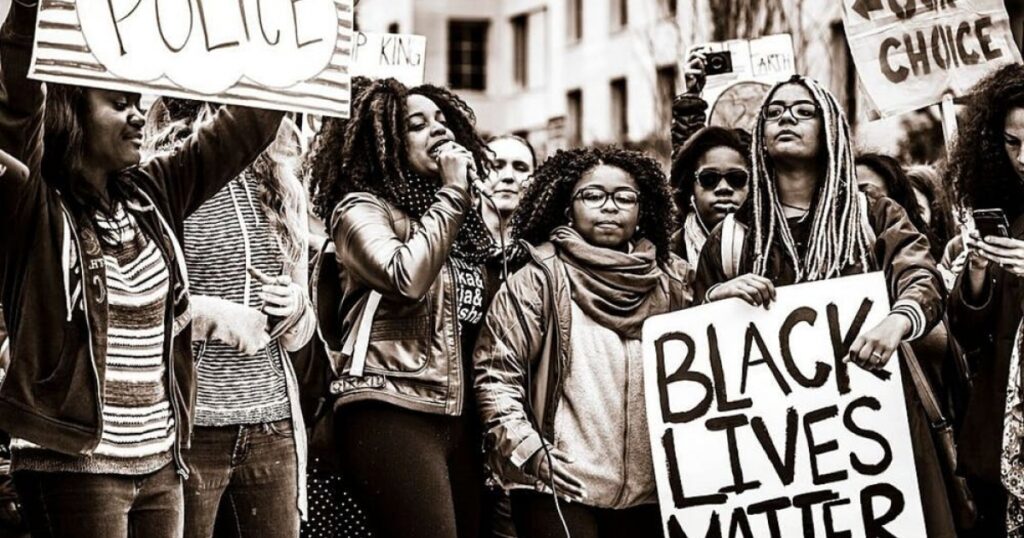
The Black Lives Matter movement (BLM) emerged in 2013 as a decentralized activist campaign against systemic racism, police brutality, and racial injustice. Founded after the acquittal of George Zimmerman in the killing of Trayvon Martin, BLM became one of the most influential social movements of the 21st century, harnessing the power of social media, grassroots organizing, and global solidarity. Its ability to shift narratives, mobilize millions, and pressure institutions made it a defining case study in modern activism and strategic communication.


Context and Events

The phrase “Black Lives Matter” was first coined by Alicia Garza, Patrisse Cullors, and Opal Tometi in 2013. Initially a hashtag, it became a rallying cry after the deaths of Black Americans at the hands of police, including Michael Brown (Ferguson, 2014), Eric Garner (2014), and later George Floyd (2020), among many others.

Key milestones included:

  • Ferguson protests (2014): BLM rose to prominence after unrest in Ferguson, Missouri, where activists protested the killing of Michael Brown.
  • Hashtag activism: #BlackLivesMatter became a digital tool for amplifying injustice and organizing rapid responses.
  • George Floyd protests (2020): The murder of George Floyd by a Minneapolis police officer sparked the largest protests in U.S. history, with 15–26 million participants nationwide and solidarity marches around the world.
  • Policy advocacy: Calls to “defund the police” and redirect resources to community services became central demands, sparking national debates.

The movement grew from a hashtag into a sustained campaign for racial justice, influencing law, culture, and global activism.


Communication Strategy

BLM’s communication strategies combined digital organizing with grassroots presence:

  • Hashtag and digital mobilization: Social media (Twitter, Instagram, TikTok) spread footage of police violence, personal stories, and calls to action in real time.
  • Decentralized structure: Lacking a single hierarchy, BLM allowed local chapters and individuals to adopt the identity, ensuring adaptability and scalability.
  • Visual power: Viral videos of incidents (e.g., George Floyd’s murder, Eric Garner’s “I can’t breathe”) personalized systemic injustice and mobilized outrage.
  • Cultural integration: Artists, athletes, and celebrities amplified BLM’s message, embedding it in popular culture (e.g., kneeling protests in sports).
  • Narrative reframing: BLM shifted public discourse from individual incidents to systemic racism, linking policing to broader inequities.

Outcomes

BLM’s impact has been historic and global:

  • Cultural change: The movement reframed how the public understands systemic racism, police accountability, and structural inequality.
  • Policy and institutional reforms: Cities across the U.S. reexamined policing budgets, training, and accountability mechanisms. Some companies and universities adopted diversity and equity reforms under public pressure.
  • Global spread: Protests inspired by BLM occurred in more than 60 countries, addressing local injustices while aligning with the broader message.
  • Public opinion shifts: Polling showed significant increases in public acknowledgment of racism and support for reforms, though support fluctuated amid political backlash.
  • Criticism and challenges: BLM has faced critiques over its decentralized leadership, financial transparency, and divisive slogans (e.g., “defund the police”). Despite controversies, the core message remains deeply influential.

Lessons Learned

  1. Digital-first activism can scale rapidly – Hashtags and viral videos transformed outrage into global mobilization.
  2. Decentralization empowers grassroots movements – Flexibility allowed BLM to resonate across diverse contexts.
  3. Narrative framing shifts culture – By moving beyond individual cases, BLM highlighted systemic racism as a structural problem.
  4. Culture amplifies politics – Integration into sports, music, and entertainment deepened the movement’s reach.
  5. Momentum must balance visibility and governance – Sustained impact requires accountability, organization, and resilience against political backlash.

*Content on this page was curated and edited by expert humans with the creative assistance of AI.

  • facebook
  • instagram
  • linkedin

DON'T MISS ANY SPOT-ON TIPS!

We don't spam! You'll only get emails when we post something awesome.
You can unsubscribe at any time.

Check your inbox or spam folder to confirm your subscription.

©2025 | The Comm Spot | By Newbold Communication & Design