
Overview
Fridays for Future (FFF) is a youth-led global climate movement sparked by Swedish activist Greta Thunberg in 2018. What began as a solitary school strike outside the Swedish Parliament grew into millions of students worldwide walking out of classrooms to demand urgent climate action. The movement exemplifies the power of youth activism, grassroots mobilization, and moral clarity in reshaping public discourse on climate change and pressuring governments to act.
Context and Events
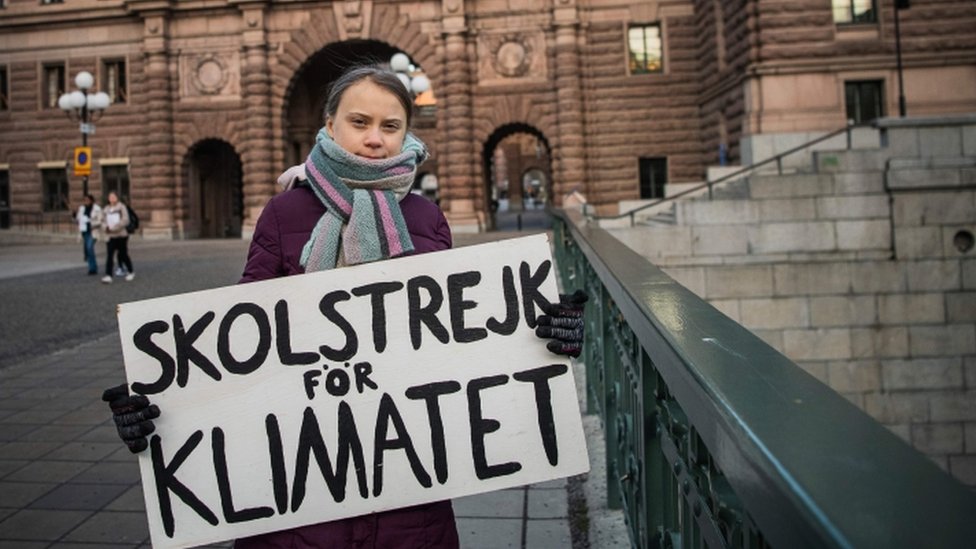
In August 2018, Greta Thunberg, then 15 years old, began striking from school every Friday to protest her government’s inaction on climate change. Holding a sign that read “Skolstrejk för klimatet” (“School strike for climate”), she sat outside the Swedish Parliament. Photos of her strike spread online, inspiring students in other countries to stage their own walkouts.
By early 2019, the Fridays for Future movement had gone global, with coordinated climate strikes in over 100 countries. Major events included:
- March 2019: 1.6 million students in more than 120 countries participated in a global climate strike.
- September 2019: Ahead of a UN Climate Action Summit, FFF organized the largest climate protest in history, with an estimated 4 million participants worldwide.
- Greta’s UN speech (2019): Her viral “How dare you!” address positioned her as the moral voice of a generation.
The movement continues to mobilize youth activists globally, with localized strikes, protests, and advocacy campaigns.
Communication Strategy
FFF’s success rests on a communication approach centered on moral urgency, simplicity, and amplification:
- Youth authenticity: Thunberg’s blunt, uncompromising tone resonated with young people and highlighted generational injustice.
- Simple, repeatable action: The idea of skipping school every Friday was easy to replicate globally, creating consistency across the movement.
- Digital mobilization: Social media spread images, speeches, and protest calls rapidly, making FFF one of the most digitally savvy youth movements.
- Global-local model: The movement maintained global branding (“Fridays for Future”) while empowering local groups to organize independently.
- Moral framing: Messaging emphasized that climate change is an urgent ethical issue, not just a technical or political one.
Outcomes
Fridays for Future quickly became one of the largest youth-led activist movements in history:
- Scale: Millions of students across 7,500+ cities participated in strikes between 2018 and 2020.
- Political impact: While concrete policy change has been limited, the movement increased political pressure, leading to climate emergency declarations in countries including Canada, France, and parts of the EU.
- Cultural influence: Greta Thunberg became a household name, TIME’s 2019 Person of the Year, and a symbol of youth climate activism.
- Intergenerational dialogue: FFF reframed climate change as a betrayal of future generations, intensifying public discourse.
- Criticism: The movement has been criticized for lack of diversity in leadership and for limited tangible policy results despite massive mobilization. Still, its cultural and agenda-setting power has been undeniable.
Lessons Learned
- Youth voices have moral authority – Young activists reframed climate change as a generational justice issue.
- Simplicity fuels scalability – A repeatable, symbolic act (school strikes) enabled global replication.
- Digital-first activism accelerates reach – Social media allowed rapid international coordination and visibility.
- Cultural shifts precede policy shifts – Even without sweeping laws, FFF reshaped discourse and public expectations.
- Movements need inclusivity – Broadening representation strengthens legitimacy and resilience.
*Content on this page was curated and edited by expert humans with the creative assistance of AI.