
Overview
Mothers Against Drunk Driving (MADD), founded in 1980, is one of the most influential grassroots activist organizations in U.S. history. Sparked by personal tragedy, MADD successfully reframed drunk driving from a “regrettable accident” into a serious public health and criminal justice issue. Through relentless advocacy, public awareness campaigns, and strategic partnerships, MADD transformed laws, attitudes, and behaviors around drinking and driving, demonstrating the power of sustained activism to drive systemic change.
Context and Events
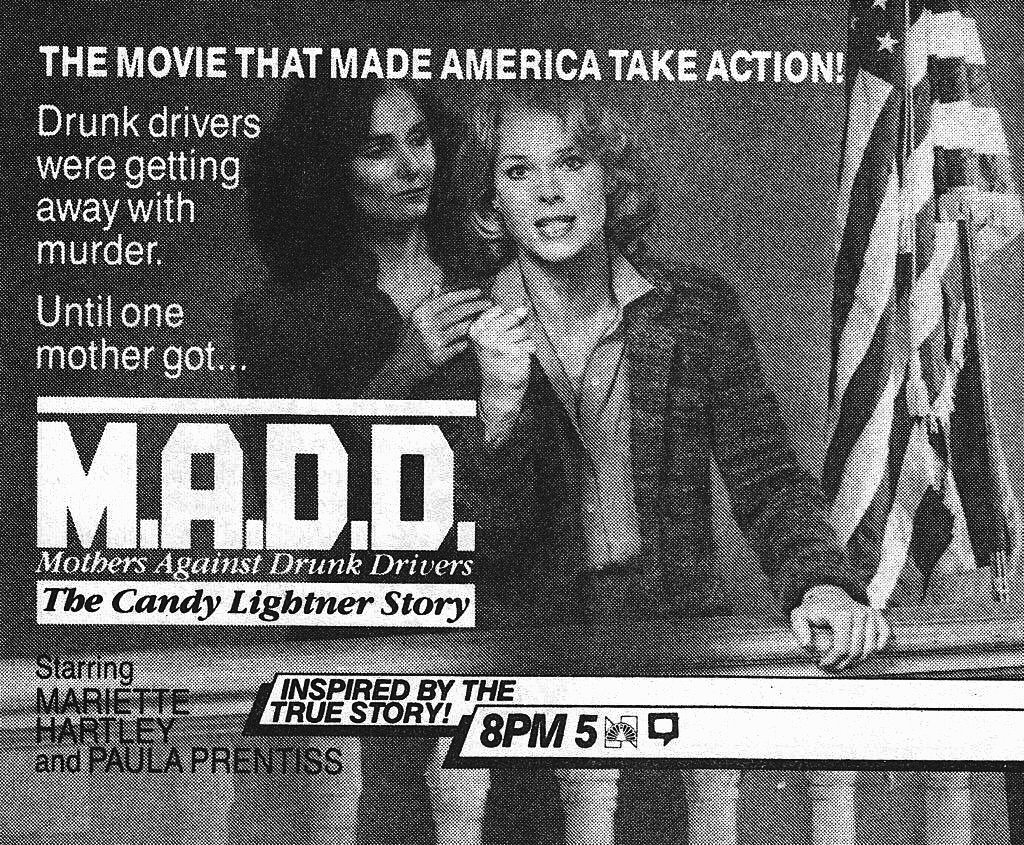
MADD was founded by Candace Lightner, whose 13-year-old daughter, Cari, was killed by a drunk driver in California. At the time, drunk driving was often treated lightly in courts and society, with offenders frequently escaping serious penalties. Lightner channeled her grief into activism, forming MADD to demand stricter laws, tougher enforcement, and cultural change.
Key milestones included:
- Raising the drinking age: MADD lobbied successfully for the U.S. to adopt a national minimum drinking age of 21 (1984).
- Lowering legal blood alcohol limits: MADD campaigns contributed to states lowering the legal blood alcohol concentration (BAC) threshold to 0.08.
- Zero tolerance laws: MADD supported laws prohibiting drivers under 21 from driving with any measurable alcohol in their systems.
- Victim advocacy: MADD provided support services for families impacted by drunk driving, amplifying the human cost of the issue.
By reframing drunk driving as preventable, criminal, and socially unacceptable, MADD shifted cultural norms and influenced a generation.
Communication Strategy
MADD’s communication approach combined emotional storytelling, strategic lobbying, and public education:
- Victim-centered storytelling: MADD highlighted personal tragedies, putting human faces on abstract statistics. Stories of grieving parents and families were at the core of campaigns.
- Relentless advocacy: MADD mobilized grassroots volunteers to contact legislators, testify at hearings, and push for policy change at local, state, and federal levels.
- Media partnerships: The organization partnered with media outlets to spread public service announcements (PSAs), creating widespread awareness.
- Strategic framing: Instead of treating drunk driving as an “accident,” MADD framed it as a crime that could and should be prevented.
- Partnerships with law enforcement: MADD worked with police departments to strengthen enforcement campaigns like sobriety checkpoints.
Outcomes
MADD’s activism is credited with saving hundreds of thousands of lives. Since its founding, alcohol-related driving deaths in the U.S. have decreased by more than 50%. The legal drinking age was raised nationwide, BAC thresholds were lowered, and public tolerance for drunk driving plummeted.
The organization also changed the cultural landscape: drunk driving went from being socially excused to widely condemned. MADD’s success demonstrated that grassroots movements, when paired with strategic lobbying and emotional resonance, can shift both policy and cultural attitudes on a massive scale.
Although the organization has faced internal challenges and leadership changes over the years, its long-term impact remains profound, with MADD continuing to advocate for road safety, tougher impaired driving laws, and victim support.
Lessons Learned
- Personal stories create powerful movements – Tragedy-driven narratives resonate more deeply than statistics alone.
- Reframing changes culture – Positioning drunk driving as a crime, not an accident, transformed social norms.
- Policy advocacy amplifies impact – Grassroots pressure combined with legislative change ensures lasting reform.
- Partnerships extend reach – Collaborations with law enforcement, media, and legislators broadened influence.
- Persistence sustains change – Decades of advocacy ensured that drunk driving laws and enforcement became ingrained.
*Content on this page was curated and edited by expert humans with the creative assistance of AI.