
A backgrounder is an essential part of a PR toolkit that provides reporters and stakeholders with rich, contextual information. While press releases deliver breaking news, backgrounders build understanding, offering the story behind the story. When well-written, a backgrounder supports accurate, well-informed media coverage—and reinforces credibility and transparency.
What Is a Backgrounder?
A backgrounder is a supporting public relations document that provides in-depth, factual context about a company, product, person, issue, or initiative. It is not designed to be a standalone news story but to accompany press materials like a press release or media advisory. It typically reads more like an encyclopedia entry or organizational profile, written in a neutral, informative tone.
Backgrounders are particularly helpful to journalists and stakeholders who need background context to better understand the subject being discussed or reported on.
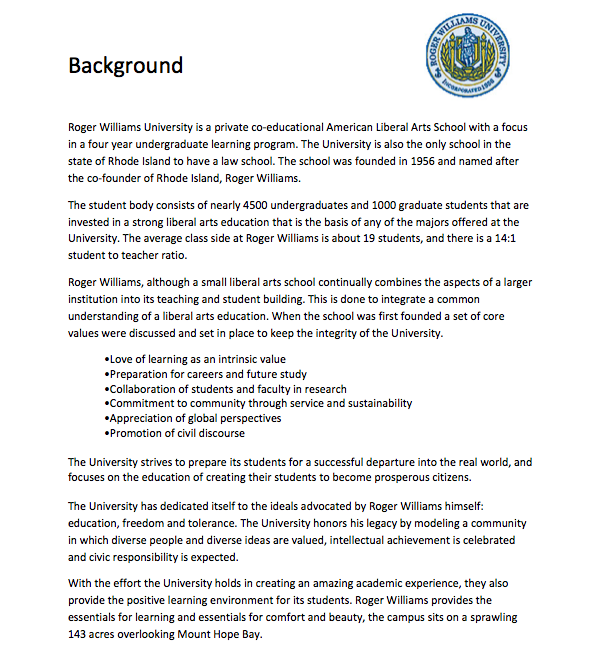
When Do Organizations Use Backgrounders?
Backgrounders are used whenever extra context is needed to support media coverage, interviews, briefings, or public understanding. Common use cases include:
- Accompanying a press release to provide historical or technical context.
- Preparing for media interviews so journalists have reference material.
- Supporting announcements of new products, services, leadership, or partnerships.
- During a crisis to explain company history, policy decisions, or procedural timelines.
- In investor or stakeholder kits as part of a broader communications strategy.
Backgrounders are especially useful when the topic is complex, unfamiliar, or when accuracy is critical.
What Should I Include in a Backgrounder?
The content of a backgrounder depends on the subject but typically includes:
- Title: A clear title indicating the subject (e.g., “Backgrounder: Brightwave Communications” or “Backgrounder: The SignalScope Platform”).
- Introductory paragraph: A brief overview of what the backgrounder is about.
- Detailed history or background: Key facts, milestones, origin stories, or background events.
- Descriptions of relevant features, products, or policies.
- Timeline or evolution (if relevant).
- Key people, stakeholders, or partners.
- FAQs or common questions (optional).
- Neutral tone: No marketing language—just facts and context.
- Media contact information.
The length may range from one to two pages, depending on the complexity of the subject.
Preparing a Backgrounder: Step-by-Step Instructions
Follow these steps to write a clear and effective backgrounder:
Step 1: Identify the Subject and Purpose
Decide exactly what the backgrounder will cover. Are you explaining your organization’s history? Providing context for a new product? Introducing a new initiative? This will determine the structure and content focus.
Step 2: Gather and Verify Background Information
Pull from credible sources—internal documents, previous press materials, leadership bios, or technical reports. All facts must be accurate and verifiable. Avoid speculation or fluff.
Step 3: Write a Clear Introduction
Start with a short paragraph that summarizes what the backgrounder is about and why the topic is relevant now. This should mirror a lead paragraph in a feature story—factual, informative, and engaging.
Step 4: Organize Content into Logical Sections
Use subheadings to divide the information clearly. These might include:
- Company History
- Product Overview
- Key Milestones
- Organizational Structure
- Partnerships and Alliances
- Policy Background
- Community Impact
Step 5: Keep the Tone Objective and Informational
Avoid promotional language. Think like a journalist writing an encyclopedia entry. Use facts, quotes (if needed), and timelines to create a reliable, easy-to-reference narrative.
Step 6: Format for Easy Reading
Use bolded subheadings, short paragraphs, and bulleted lists when appropriate. White space matters—don’t overcrowd the page.
Step 7: Include Contact Info and Branding
End with media contact details in case journalists have follow-up questions. If used externally, add the company logo, tagline, and consistent visual formatting.
A strong backgrounder improves the depth, accuracy, and professionalism of your communications. It empowers the media to report responsibly and helps stakeholders understand the “why” behind your message—making it a smart and strategic addition to any PR effort.
*Content on this page was curated and edited by expert humans with the creative assistance of AI.