
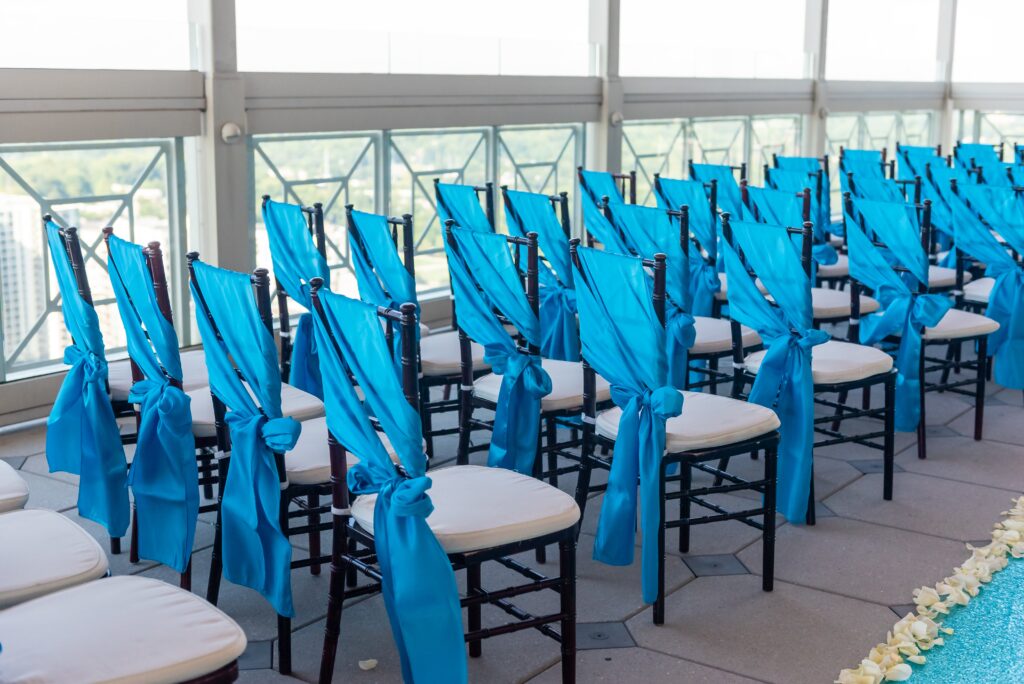
What Is Event Planning?
Event planning in public relations involves the strategic organization, coordination, and execution of events that align with an organization’s communication goals. These events can range from product launches, press conferences, and grand openings to community festivals, fundraising galas, trade shows, and media briefings.
The purpose of PR event planning is to create memorable, brand-aligned experiences that generate awareness, foster relationships, and engage key audiences. Events are a powerful vehicle for storytelling, reputation building, and earned media coverage.
The Importance and Effect of Event Planning in PR
In public relations, events are more than logistics—they’re storytelling platforms. When thoughtfully planned and executed, events:
- Build Brand Visibility: High-impact events attract media attention, influencers, and organic content that amplify brand exposure.
- Strengthen Stakeholder Relationships: Events create shared experiences that deepen connections with customers, partners, investors, and community members.
- Reinforce Organizational Values: Live interactions allow brands to showcase their culture, mission, and personality in action.
- Drive Engagement and Participation: Events generate two-way interaction, providing opportunities for feedback, conversation, and community-building.
- Create Media Opportunities: Press-friendly events with photo ops, interviews, and exclusive access can lead to positive earned coverage.
In a digital age, live and virtual events remain essential tools for creating meaningful, memorable interactions with stakeholders.
Theories and Practices for Event Planning
Effective event planning draws from key public relations theories and project management principles:
- Agenda-Setting Theory: Events give organizations a chance to influence what people think about by shaping media coverage and public discourse.
- Two-Step Flow Theory: Influencers, journalists, and key opinion leaders who attend events often shape broader public perception through post-event communication.
- Experiential Marketing Theory: Suggests that emotional, immersive experiences (like well-run events) can strengthen brand affinity and long-term loyalty.
- Grunig & Hunt’s Four Models of PR: Events often serve both publicity (press generation) and two-way symmetrical (mutual understanding) functions.
- Project Management Frameworks: Gantt charts, critical path methods, and contingency planning are used to manage timelines, teams, budgets, and risks.
Planning an event involves detailed attention to audience needs, messaging strategy, brand consistency, logistics, evaluation methods, and follow-up communication.
Event Planning Best Practices
To ensure your PR event is successful and aligned with strategic goals, follow these best practices:
- Start with Clear Objectives
Define what you want the event to achieve—brand exposure, media coverage, stakeholder engagement, etc.—and tailor every decision to that goal. - Know Your Audience
Choose a format, theme, time, and location that meets the needs, interests, and availability of your target participants. - Build a Strong Narrative
Develop a compelling story for the event that ties into your brand values and message. This includes speeches, visuals, and activities. - Create a Detailed Plan and Timeline
Map out every phase—pre-event marketing, registration, venue logistics, technology, media outreach, and post-event communication. - Leverage Media and Influencers
Invite journalists, bloggers, and local influencers. Prepare media kits, press releases, and on-site interviews to maximize coverage. - Ensure Brand Consistency
Everything from signage and decor to staff uniforms and giveaways should reflect your brand identity and tone. - Rehearse and Prepare for Contingencies
Run through the event flow in advance. Have backup plans for tech failures, weather issues, or guest cancellations. - Collect Feedback and Measure Impact
Use surveys, social listening, and media monitoring to evaluate success. Report outcomes to stakeholders and apply lessons learned.
Cases in Event Planning
Here are examples of how public relations professionals have used events to create powerful brand moments:
- Apple Keynote Events
Apple’s product launches are not just announcements—they are globally livestreamed, highly choreographed PR events that build anticipation and drive media cycles. Their use of storytelling, sleek visuals, and timed reveals sets the industry standard. - Coca-Cola’s “Share a Coke” Tour
As part of its personalized branding campaign, Coca-Cola hosted interactive events where people could customize bottles with their names. These mobile activations generated local engagement and global social media buzz. - ALS Association: Ice Bucket Challenge Events
While born on social media, many local chapters of the ALS Association turned the viral Ice Bucket Challenge into live fundraising and awareness events—amplifying the campaign’s reach and fostering community involvement. - Nike Women’s Half Marathon (San Francisco)
This event blended athletic branding, community empowerment, and luxury experience. Finishers received Tiffany necklaces, and the race attracted media, influencers, and brand ambassadors in a large-scale PR push. - Starbucks “Meet Me at Starbucks” Campaign
As part of its global campaign to reinforce community and connection, Starbucks hosted live events in various cities to celebrate coffee culture, featuring music, art, and conversations—all documented in mini-films and social media.
Each of these cases demonstrates how a strategically planned event can not only attract attention but also reinforce key brand values, build loyalty, and shape public narrative.
*Content on this page was curated and edited by expert humans with the creative assistance of AI.