

What Are Advertising Appeals?
Advertising appeals are persuasive strategies used in marketing to connect with an audience’s emotions, values, logic, or identity. These techniques are rooted in classical rhetorical triangle—ethos (credibility), pathos (emotion), and logos (logic)—and are designed to motivate consumers to notice, remember, and respond to a message. While rhetorical appeals form the theoretical foundation, advertising appeals apply them practically through specific angles like humor, fear, beauty, or urgency. Effective campaigns often combine multiple appeals to resonate with audiences across different platforms and cultural contexts.
20 Common Advertising Appeals (A–Z)

Adventure Appeal
Encourages consumers to seek excitement, exploration, and bold experiences. Often used in travel, sports, and automotive ads to evoke freedom or thrill.
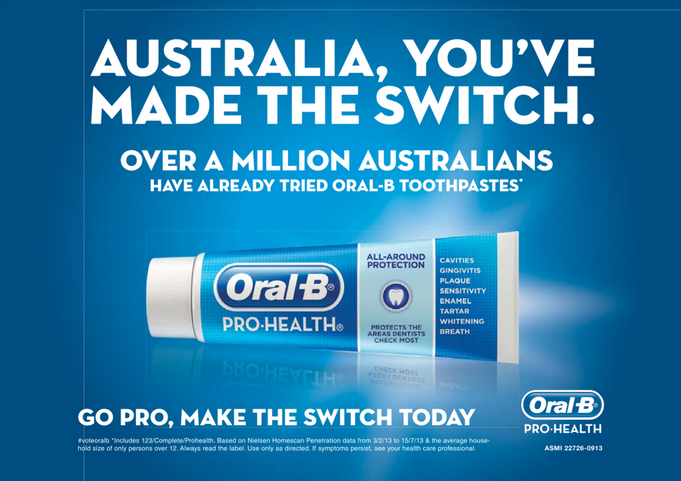
Bandwagon Appeal
Suggests that “everyone is doing it,” so the viewer should too. Creates social pressure by implying that not joining means being left out.

Celebrity Endorsement Appeal
Uses the credibility, attractiveness, or popularity of a public figure to promote a product. It builds trust or admiration by association.
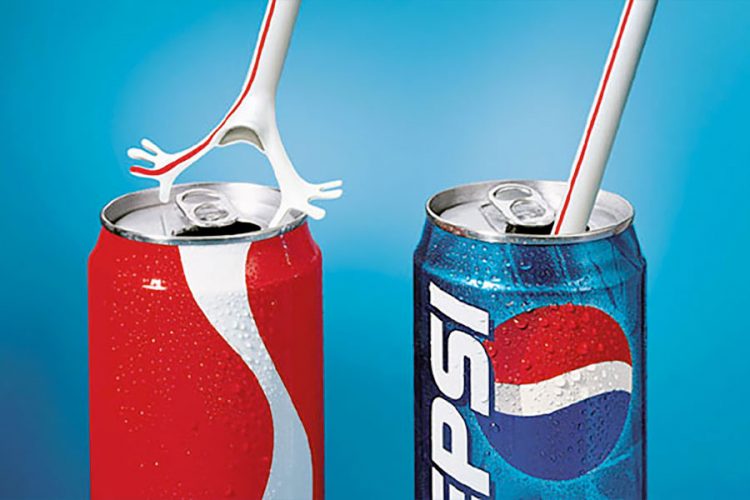
Comparative Appeal
Highlights the superiority of a product by comparing it to a competitor. Often includes side-by-side features, pricing, or outcomes.
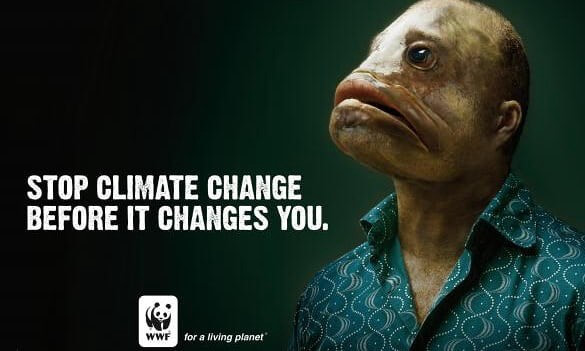
Emotional (Pathos) Appeal
Evokes feelings such as happiness, sadness, nostalgia, or anger to build a deep emotional connection. Works particularly well for causes, nonprofits, or sentimental brands.
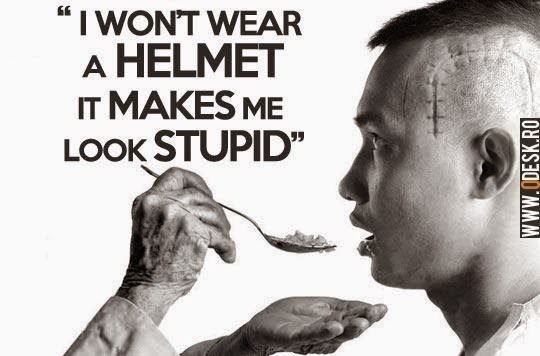
Fear Appeal
Warns of negative consequences unless the viewer takes action. Common in public health, insurance, or safety campaigns to drive behavior change.

Gender/Sex Appeal
Uses attractiveness, sex appeal, or gender norms to draw attention. Frequently used in fashion, beauty, and lifestyle advertising.

Humor Appeal
Captures attention and fosters a positive brand association through laughter. Memorable and shareable, but can be risky if it offends or misses the mark.

Inclusivity Appeal
Highlights diversity and representation to make consumers feel seen, respected, and included. Often appeals to identity, values, or social progress.
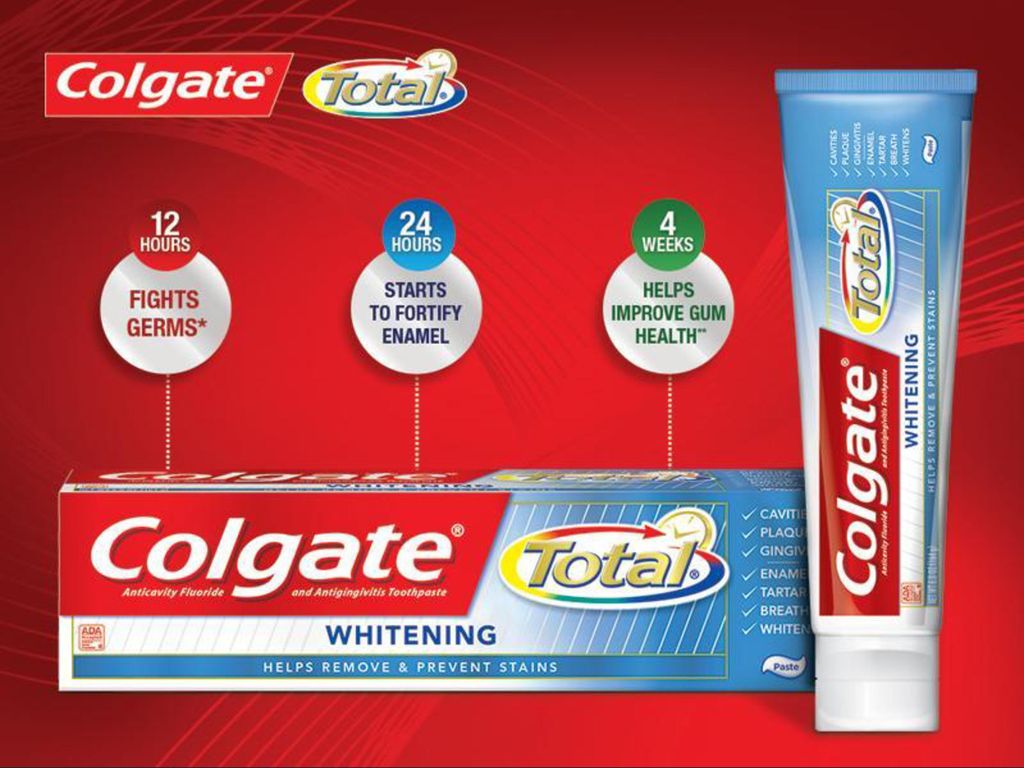
Logic/Logos Appeal
Focuses on facts, stats, and rational arguments to convince consumers. Common in B2B marketing, healthcare, tech, and financial products.
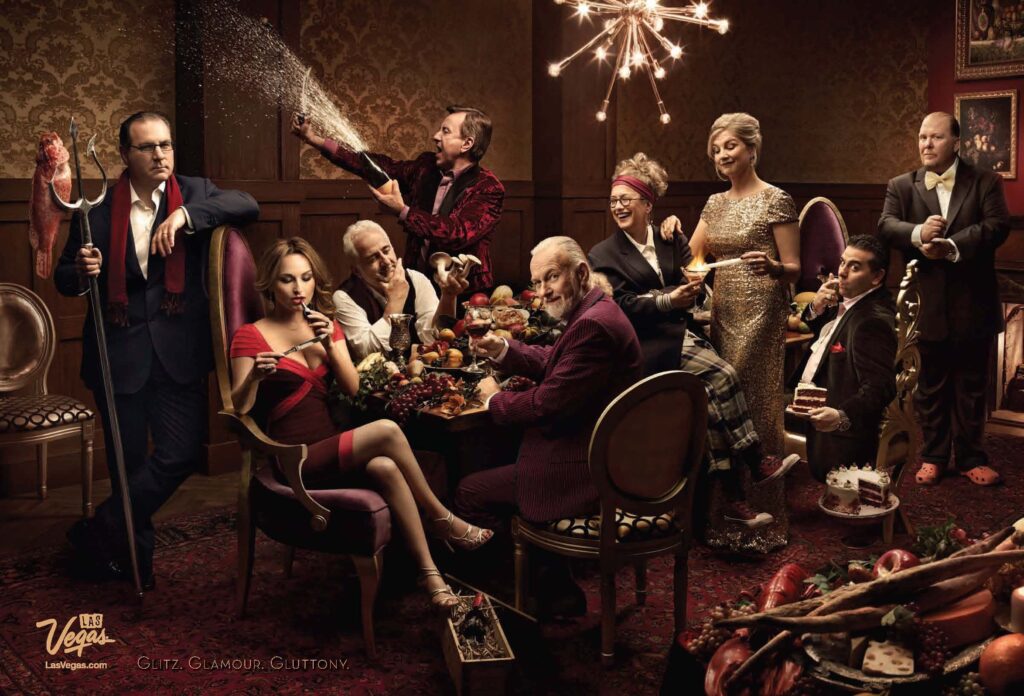
Luxury/Prestige/Snob Appeal
Promotes exclusivity, elegance, and status through association with wealth or refinement. Seen in high-end fashion, automotive, and luxury goods.

Masculinity/Femininity Appeal
Reinforces traditional or modern ideas of gender identity and roles. Often used in grooming products, fitness gear, and apparel.

Nostalgia Appeal
Taps into positive memories of the past to evoke comfort or familiarity. Works well for legacy brands or retro-themed campaigns.
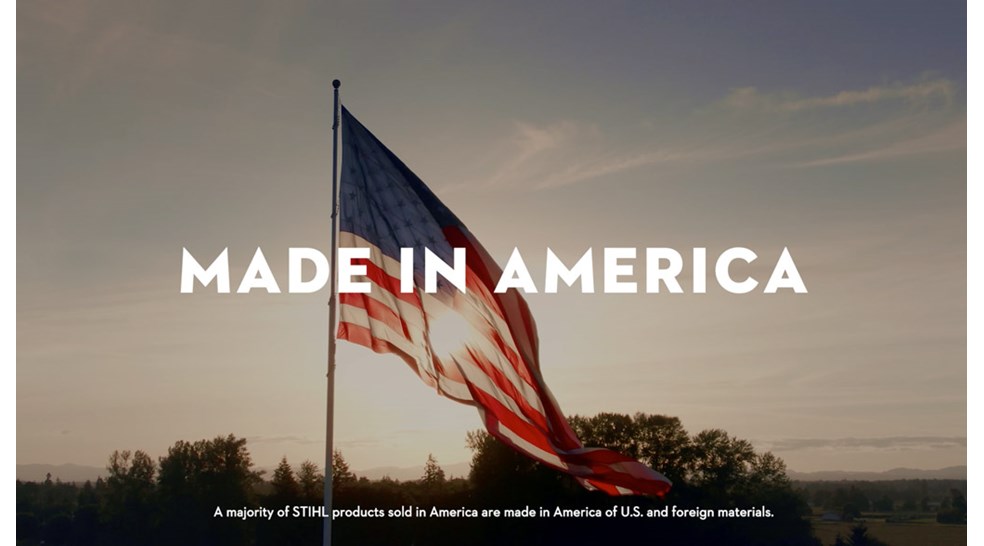
Patriotism Appeal
Appeals to national pride, values, and identity. Common in campaigns around national holidays, military themes, or domestic manufacturing.
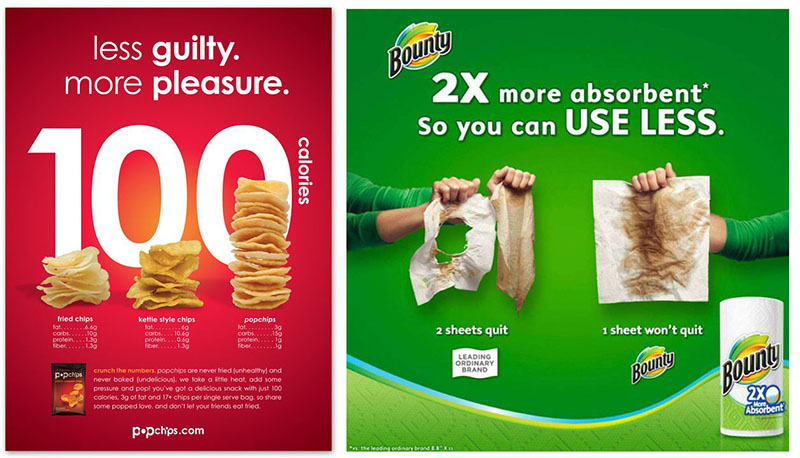
Rational/Practical Appeal
Emphasizes utility, value, and functionality. Often focuses on saving time, money, or effort—popular in household goods and budget-conscious markets.

Scarcity Appeal
Leverages urgency by highlighting limited time, quantity, or availability. Encourages immediate action to avoid missing out (e.g., “Only 3 left!”).
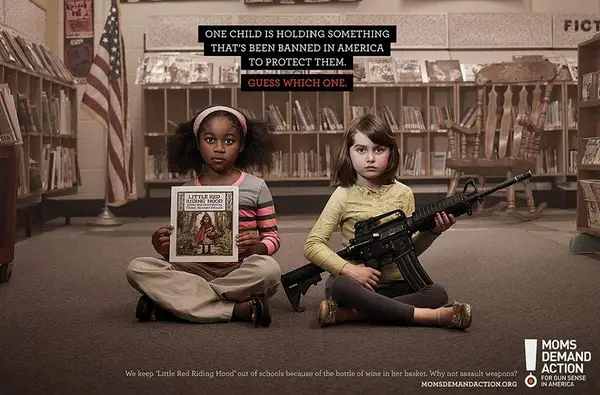
Shock Appeal
Uses surprising, controversial, or provocative content to grab attention. Can be effective for raising awareness but risks backlash if overused or insensitive.
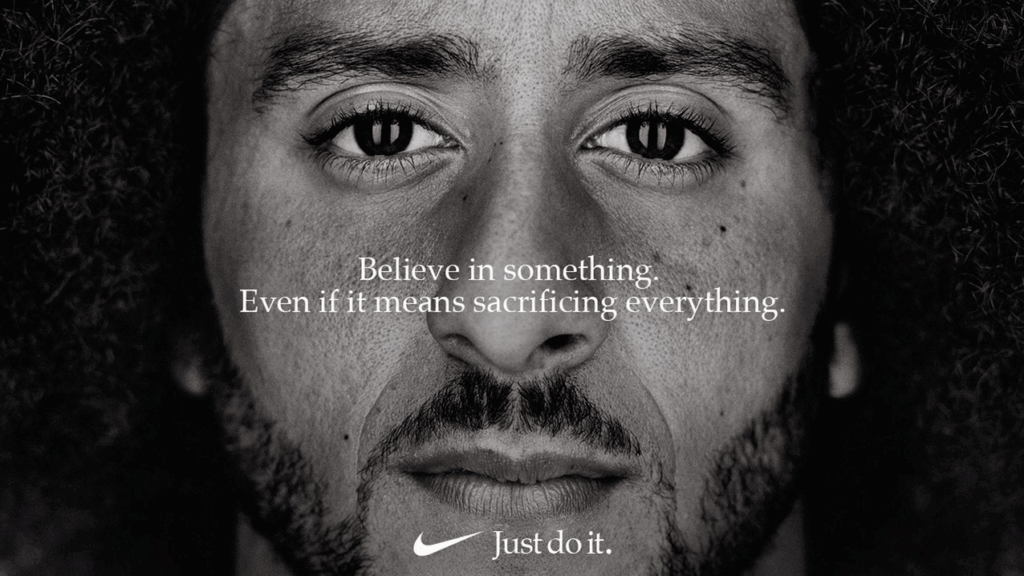
Social Responsibility Appeal
Highlights ethical values, sustainability, and giving back. Appeals to consumers who want their purchases to support causes and create positive social impact.

Testimonial Appeal
Features everyday consumers sharing their positive experiences with the brand. Helps build authenticity and relatability.

Youth Appeal
Targets or evokes youthfulness, energy, and innovation. Used to attract younger audiences or give a brand a modern, fresh identity.
*Content on this page was curated and edited by expert humans with the creative assistance of AI.