

What Is a Brand Identity?
A brand identity is the collection of all visual and sensory elements that a company uses to present itself to the public and differentiate itself from competitors. It includes components such as logos, color palettes, typography, packaging, and design systems, as well as tone of voice and messaging style. These elements work together to create a consistent and recognizable image across all marketing materials, helping consumers associate specific visuals or messages with a particular company or product. A strong brand identity not only enhances visibility but also communicates core values, personality, and the promise of the brand experience.
Beyond aesthetics, brand identity plays a strategic role in building trust and emotional connection with the target audience. It reflects a company’s mission, culture, and positioning in the market, influencing how customers perceive and relate to the brand. For example, a minimalist logo paired with neutral colors and clean typography might suggest sophistication and modernity, whereas a bold, colorful identity might communicate energy and approachability. Ultimately, a cohesive brand identity ensures that every customer interaction—whether digital, physical, or interpersonal—reinforces the same story, helping to foster brand loyalty and long-term success.
Best Practices for Managing a Brand Identity
While there is often a tendency for businesses to focus on their visual branding, it’s important to remember that a strong brand identity is more than just a logo or a color scheme—it’s the foundation of how a company is perceived by its audience. It encapsulates the company’s values, personality, and promises, and it should remain consistent across all touchpoints to build recognition, trust, and loyalty. Managing brand identity effectively means ensuring that every piece of communication—visual, written, digital, or physical—reinforces the same cohesive message. Whether you’re a startup, a growing company, or a global organization, managing your brand identity with care is essential to long-term success.
Here are key actions to help you effectively manage and maintain your brand identity:
Key Actions to Manage Brand Identity
- Define your brand purpose. Clarify why your brand exists, who it serves, and what it promises. This forms the core of your identity and informs every decision you make.
- Develop a comprehensive brand style guide. Document your brand’s visual and verbal standards, including logo usage, color codes, typography, imagery style, tone of voice, and editorial guidelines.
- Ensure consistency across all platforms. Apply your brand’s design and messaging guidelines uniformly across websites, social media, packaging, presentations, advertisements, and internal documents.
- Use branded templates and assets. Create and distribute reusable templates for common materials such as email headers, slide decks, business cards, and letterhead to avoid off-brand content creation.
- Train your team. Educate employees, partners, and vendors about your brand identity and how to use it correctly, so everyone communicates with a unified voice and appearance.
- Monitor external usage. Regularly check how third parties, media outlets, affiliates, or franchisees use your brand elements and correct any misuse to protect your brand’s integrity.
- Audit your brand touchpoints regularly. Review marketing collateral, social media profiles, digital ads, signage, and internal communications to ensure they align with current brand standards.
- Adapt strategically when needed. Refresh elements of your brand identity only when necessary—such as during a market shift or rebranding—and ensure changes are rolled out consistently.
- Protect your brand legally. Trademark your logo, slogans, and other key elements of your identity, and enforce your rights when unauthorized usage occurs.
- Listen to feedback. Pay attention to how customers perceive your brand and how it compares to competitors. Use insights to refine and strengthen your identity without losing coherence.
Brand identity is not a one-time project—it’s a living system that needs active stewardship. By following these best practices, businesses can build a resilient and recognizable brand that resonates with audiences, maintains professionalism, and stands out in a crowded marketplace.
How to Create a Brand Style Guide: Essential Components and Best Practices
A brand style guide is a foundational document that defines how your brand should look, sound, and feel across every platform and medium. It establishes a set of protocols for maintaining consistency in communication; it helps build brand recognition; and it reinforces your identity internally and externally. Whether you’re launching a new business or refining an established brand, a detailed and accessible style guide helps ensure that designers, marketers, partners, and employees all present your brand consistently.
Below are the key components that should be included in a well-crafted brand style guide, along with explanations of what each section covers and why it matters.
1. Brand Overview
What it includes:
A summary of your brand’s mission, vision, values, and personality.
Why it matters:
This section provides context for the visual and verbal elements that follow. It helps team members understand not just what your brand looks like, but why it looks and sounds the way it does.
Example:
Mission:
Brizwa exists to refresh the world with bold, vibrant flavors and a splash of creative energy. We craft carbonated drinks that not only taste exceptional but also spark joy, imagination, and self-expression in everyday moments.
Vision:
To become the most beloved and creatively charged soda brand in the world—one that stands for originality, inclusivity, and a lifestyle that celebrates color, individuality, and fun.
Values:
- Creativity: We infuse art and imagination into everything we do.
- Authenticity: We stay true to our identity and encourage others to do the same.
- Joy: We believe in playful experiences and uplifting moments.
- Sustainability: We’re committed to responsible sourcing, recyclable packaging, and minimizing our environmental footprint.
Personality:
Brizwa is bold, upbeat, and a little offbeat. We’re the friend who stands out in the crowd—colorful, curious, and always ready to make life more flavorful. Our tone is playful yet sincere, confident but never arrogant, and always bursting with positive energy.
2. Logo Usage
What it includes:
- Primary logo and variations (horizontal, vertical, icon-only)
- Clear space rules and minimum sizing
- Approved backgrounds and color versions (e.g., full color, black & white, reversed)
- Incorrect uses (e.g., do not stretch, recolor, or add drop shadows)
Why it matters:
Your logo is the most recognizable brand asset. This section protects its integrity and prevents misuse that could dilute your identity.
3. Color Palette
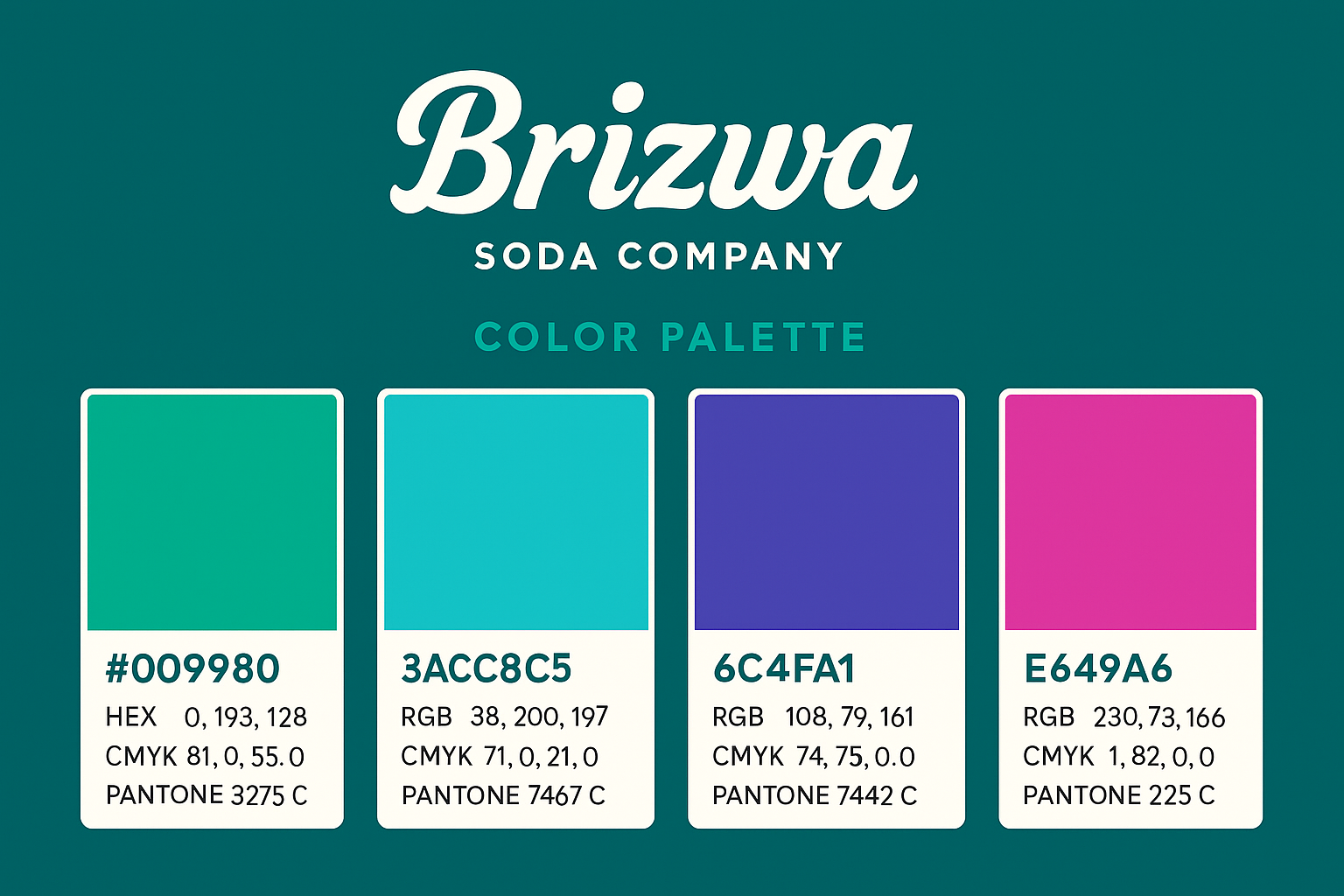
What it includes:
- Primary brand colors with HEX, RGB, CMYK, and Pantone codes
- Secondary or accent colors
- Background and text color usage guidelines
Why it matters:
Consistent color use builds visual cohesion across platforms. This section ensures designers and printers get colors exactly right.
4. Typography
What it includes:
- Primary and secondary fonts (with weights and styles)
- Usage hierarchy (e.g., headline, subhead, body, caption)
- Web-safe font alternatives
- Letter spacing and line height suggestions
Why it matters:
Typography reinforces tone and readability. Clear type rules maintain a polished, professional appearance in all communications.
5. Imagery and Photography Style

What it includes:
- Guidelines for photography tone (e.g., candid, high-contrast, minimal, vibrant)
- Image subject matter (e.g., people-focused, product-focused, abstract)
- Graphic elements, patterns, or textures
- Usage dos and don’ts
Why it matters:
Images carry emotion and narrative. Defined standards ensure visuals consistently reflect your brand’s personality.
6. Voice and Tone
What it includes:
- Core writing style (e.g., casual, professional, witty, authoritative)
- Tone guidelines for different platforms (e.g., social media vs. formal documents)
- Grammar preferences (e.g., Oxford comma, contractions, point of view)
- Sample phrases or vocabulary that align with the brand
Why it matters:
Consistent tone builds trust and recognition. This section ensures messaging aligns with your brand values and speaks clearly to your audience.
7. Iconography and Illustrations
What it includes:
- Icon style (e.g., outline, flat, filled)
- Usage rules and sizes
- Custom illustration style (if applicable)
- Do’s and don’ts
Why it matters:
Icons and illustrations can reinforce your brand’s visual identity and improve usability, especially in digital interfaces.
8. Digital Applications
What it includes:
- Web design guidelines (grid systems, buttons, spacing)
- App interface branding
- Social media templates and styling
- Email signature formats
Why it matters:
Digital platforms often require flexible application of your brand. These guidelines maintain consistency across screens and interactions.
9. Swag, Stationery, and Print Collateral
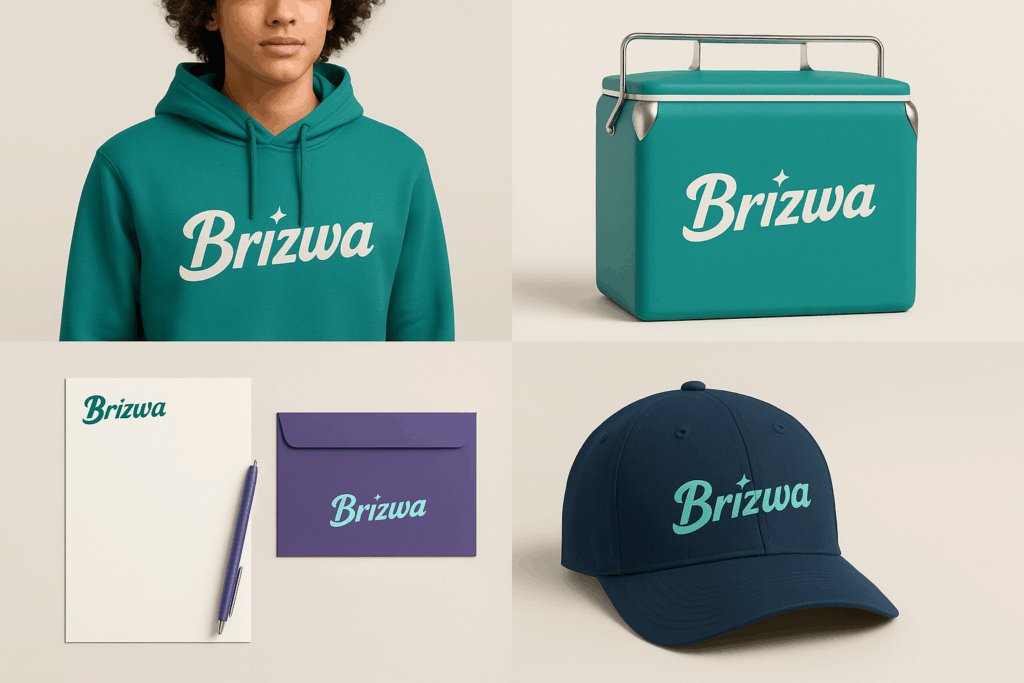
What it includes:
- Merchandise (water bottles, shirts, hats, etc.)
- Business card layouts
- Letterhead and envelope designs
- Presentation templates
- Brochures, flyers, and promotional print material
Why it matters:
Tangible materials are often first impressions. Uniform branding on printed pieces communicates professionalism and attention to detail.
10. Brand in Use Examples
What it includes:
- Real or mock examples of the brand in action (ads, website, packaging, signage)
- Before-and-after use cases
- Common scenarios and how to apply the guidelines correctly
Why it matters:
Concrete examples help users understand how to apply the rules effectively, reducing confusion and errors.
Additional Tips for Creating a Brand Style Guide
- Keep it accessible. Make the guide available as a digital document or online portal, and update it regularly as your brand evolves.
- Be clear and visual. Show examples, not just rules—people learn by seeing.
- Tailor it to your team. Include sections most relevant to how your brand is used internally and externally.
- Include a contact. Designate a brand manager or team to answer questions or approve custom use cases.
Seven Real Examples of Company Brand and Style Guides
Microsoft Visual Identity Guidelines
Coke Zero Brand Identity & Design Standards
Netflix Symbol Usage Guidance
McDonald’s Feel-Good Design Cheat Sheets
Sacramento Kings Brand Book
Adidas Runtastic Identity Guidance
Delta Brand Guidelines
*Content on this page was curated and edited by expert humans with the creative assistance of AI.