
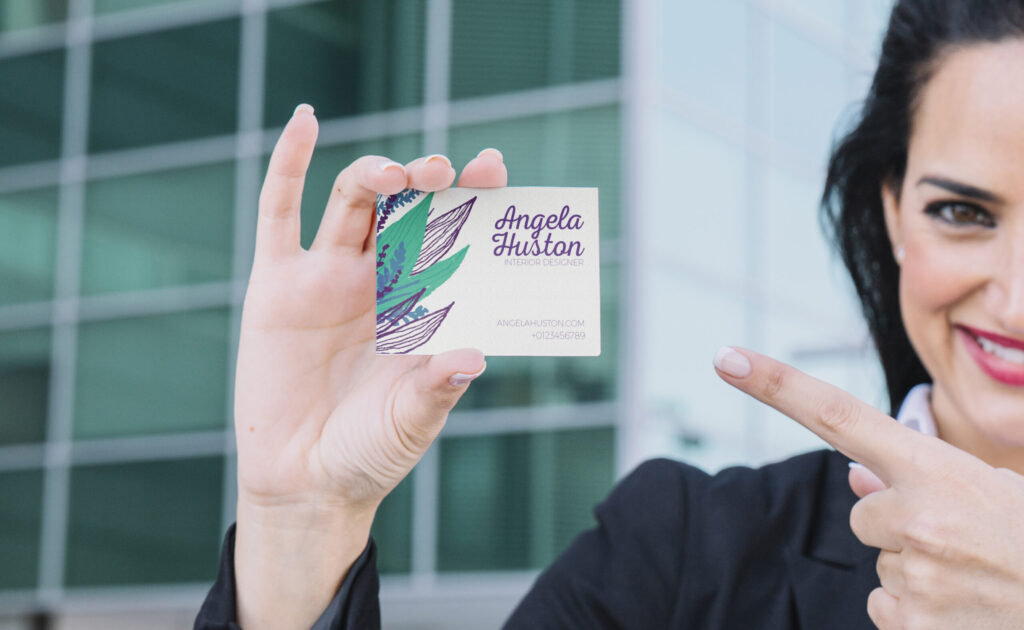
Using Business Cards for Employment and Networking Purposes
A business card is a small, printed card that shares your professional contact information and often a brief statement about who you are or what you do. Despite the rise of digital communication, business cards remain a useful, tangible tool for making professional connections. They’re quick to exchange, easy to carry, and leave a lasting impression when done right. For job seekers and networking professionals, a well-designed business card can signal confidence, clarity, and preparation—qualities that employers and colleagues value.
Are Business Cards Necessary?
In many industries, business cards are not required, but they are often recommended—especially for networking events, conferences, job fairs, and informal professional meetings.
Why have one?
- They’re easy to share in places where digital tools may not be convenient.
- They make you memorable after a short interaction.
- They show preparedness—especially when attending career expos or informational interviews.
- They help others refer you by passing your card to a colleague or hiring manager.
Even in a digital-first world, a business card still signals professionalism and intention—especially in fields like business, design, media, sales, and consulting.
Where Should I Have a Business Card?
Knowing when to hand out your card is as important as having one. Bring your cards anywhere you might meet people who can help you grow your career.
Keep business cards with you:
- At networking events or professional conferences
- During career fairs or job expos
- At informational interviews
- When attending industry association meetings
- While traveling for work or education
- In your bag, wallet, or portfolio at all times—you never know when a conversation might turn professional
Pro Tip: Don’t awkwardly give out cards or force your card on someone. Offer it only when the context and conversation turns toward follow-up or professional interest:
“Would it be helpful if I gave you my card?” or “Here’s my contact info in case you’d like to connect.”
What Should I Include on My Business Card?
While there’s no one-size-fits-all formula, your business card should include clear, accurate, and essential professional information.
Core Elements to Include:
- Your full name
- Professional title (or intended job field, e.g., “Marketing Student” or “UX Designer”)
- Phone number
- Professional email address
- LinkedIn profile (or QR code to your profile)
- Website or portfolio link (if applicable)
- Optional: Brief tagline (e.g., Creative solutions for digital storytelling)
Example Layout:

Avoid:
- Personal addresses
- Outdated or unprofessional email handles
- Excessive titles or jargon
How Do I Design My Business Card?
Your business card is a miniature representation of your personal brand. Ideally, it should visually align with the design of your résumé, cover letter, and online presence.
Design Tips:
1. Match your professional brand
Use the same font family, colors, and general aesthetic as your résumé, website, or portfolio to create a consistent identity.
2. Use high-quality paper or printing
A thick, matte finish signals quality and attention to detail. Flimsy cards or sloppy printing undermine professionalism.
3. Keep it simple and uncluttered
White space is your friend. Don’t overcrowd your card with logos or tiny text. Prioritize legibility and readability.
4. Use both sides (smartly)
Use the front for contact info and the back for a logo, tagline, or QR code that links to your portfolio or LinkedIn profile.
5. Design for your industry
A designer’s card can be bold and creative; an academic or accountant may want something more formal and minimal.
Example Branding Cohesion:

Business Card Best Practices (Dos and Don’ts)
Here are some practical rules to make the most of your business cards—and avoid common missteps.
DO:
- Keep your information current
- Use a professional email address (e.g., firstname.lastname@email.com)
- Have your card proofread before printing
- Carry them in a card holder to keep them clean and neat
- Use a clear hierarchy of information (name and title first, contact info below)
- Print extra cards before attending events or conferences
DON’T:
- Don’t use tiny fonts or too much text
- Don’t include irrelevant personal details (e.g., age, marital status)
- Don’t hand them out aggressively—let the conversation lead
- Don’t design them to look overly flashy or unprofessional
- Don’t use low-resolution logos or blurry graphics
- Don’t print too many unnecessary variations—consistency matters
*Content on this page was curated and edited by expert humans with the creative assistance of AI.