
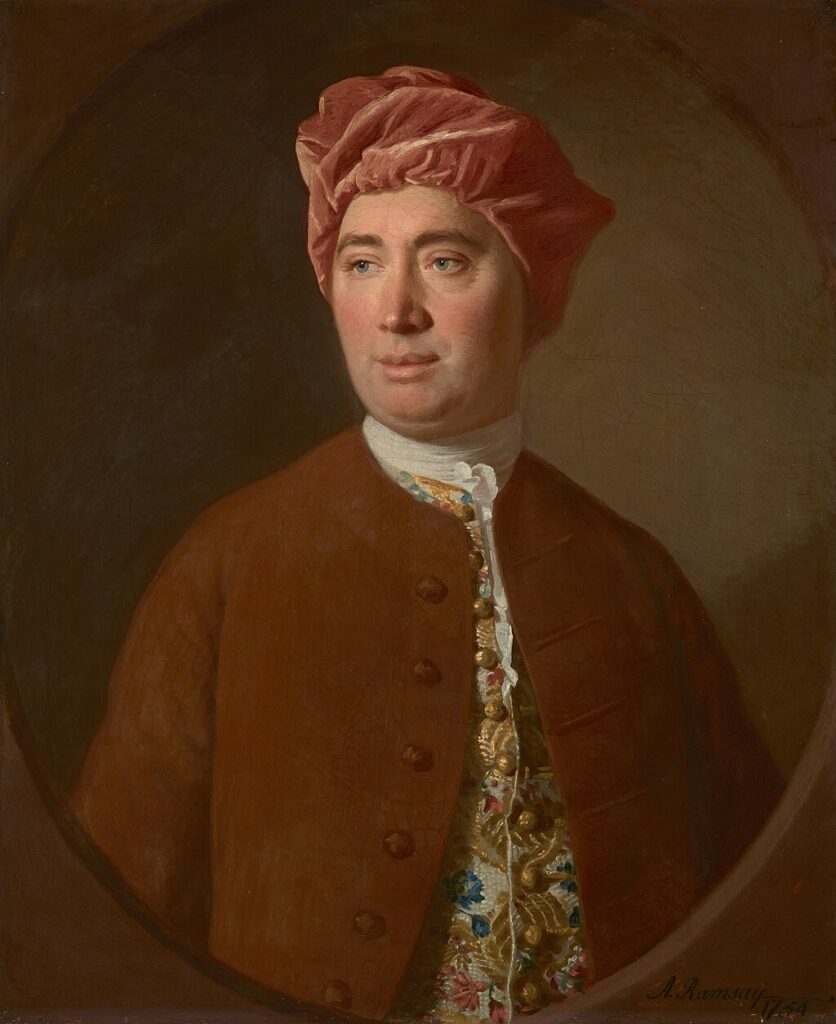
Who Was David Hume?
David Hume (1711-1776) was a Scottish philosopher, historian, economist, and essayist, widely regarded as one of the most important figures in the history of Western philosophy and the Scottish Enlightenment. Hume is best known for his profound skepticism and empiricism, which challenged the foundations of modern philosophy. His major works include “A Treatise of Human Nature,” “An Enquiry Concerning Human Understanding,” and “An Enquiry Concerning the Principles of Morals.”
Hume’s Teachings About Rhetoric
While David Hume is not primarily known for his teachings on rhetoric, his approach to philosophy and communication significantly touched on rhetorical themes. Hume emphasized the importance of style, clarity, and persuasiveness in philosophical writing and argumentation. He believed that effective communication of complex ideas required attention to how these ideas are presented to the audience. In his own writings, Hume masterfully combined rigorous philosophical argument with a polished literary style, making complex ideas accessible and engaging to his readers. He argued that passions, rather than reason, often govern human behavior, which has implications for how rhetoric should appeal to emotions to be effective.
Hume’s Influence in the Study of Rhetoric and Communication
David Hume’s influence on rhetoric and communication is subtle yet significant. His skeptical approach to human understanding and his emphasis on the psychological and emotive aspects of human nature have enriched rhetorical theory, especially in understanding how persuasion works. Hume’s ideas suggest that effective rhetoric must consider the emotional and psychological states of the audience—a perspective that anticipates modern developments in the fields of rhetoric and psychology. Moreover, his writings serve as exemplary models of how philosophical ideas can be communicated with clarity and appeal, influencing not only the content but also the style of later philosophical and rhetorical works.
Hume’s work continues to be relevant in discussions about the effectiveness of rhetorical strategies in communication, particularly in how best to appeal to an audience’s emotions and beliefs. His legacy in rhetoric is intertwined with his philosophical contributions, highlighting the profound connection between effective communication and the understanding of human nature.
*Content on this page was curated and edited by expert humans with the creative assistance of AI.