
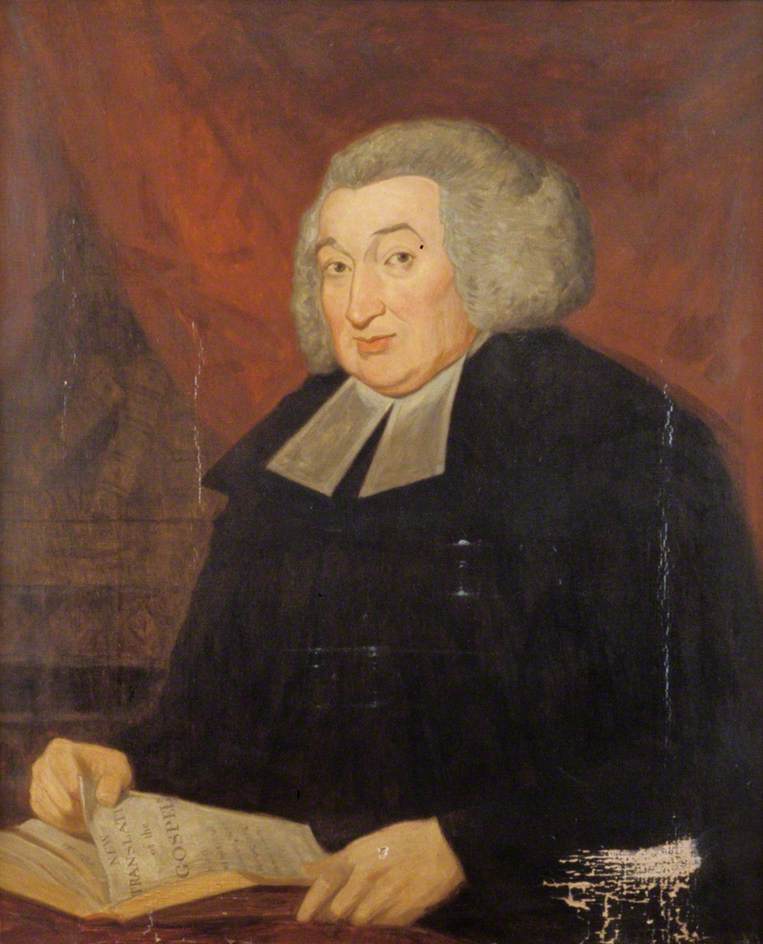
Who Was George Campbell?
George Campbell, born in 1719 in Aberdeen, Scotland, was a prominent figure in the Scottish Enlightenment, renowned for his contributions to rhetoric, theology, and philosophy. As a minister, theologian, and professor, Campbell’s work spanned multiple disciplines, but he is most famous for his influential treatise on rhetoric, “The Philosophy of Rhetoric,” published in 1776. His approach to rhetoric was deeply rooted in Enlightenment principles, emphasizing reason, science, and empirical evidence.
Campbell’s Teachings on Rhetoric
In “The Philosophy of Rhetoric,” George Campbell sought to create a comprehensive and systematic understanding of rhetoric that aligned with contemporary scientific and philosophical thought. He defined rhetoric as the art or talent by which discourse is adapted to its end, and he emphasized the psychological aspects of persuasion, focusing on how rhetoric can influence the mind and emotions. Campbell introduced the idea that rhetoric should appeal to four faculties of the human mind: understanding (logos), imagination, passions (pathos), and will (ethos). He argued that effective rhetoric must consider the audience’s psychological state and use clear, logical, and emotionally engaging language to persuade. Campbell’s work also addressed the importance of clarity, vivacity, propriety, and correctness in rhetorical style, making his teachings both comprehensive and practical.
Campbell’s Influence on the Study of Rhetoric and Communication
George Campbell’s integration of rhetorical theory with psychological insights helped to bridge the gap between classical rhetoric and modern communication studies. By focusing on the mental processes involved in persuasion, Campbell laid the groundwork for later developments in the fields of psychology and communication. His emphasis on the audience’s role in rhetoric has influenced modern rhetorical theory and practice, highlighting the importance of understanding and engaging the audience effectively. Campbell’s work also contributed to the Enlightenment’s broader intellectual movement, promoting the idea that rhetoric should be based on reason and empirical evidence. “The Philosophy of Rhetoric” became a foundational text in rhetorical education, shaping the curriculum in universities and influencing subsequent scholars and educators.
*Content on this page was curated and edited by expert humans with the creative assistance of AI.