
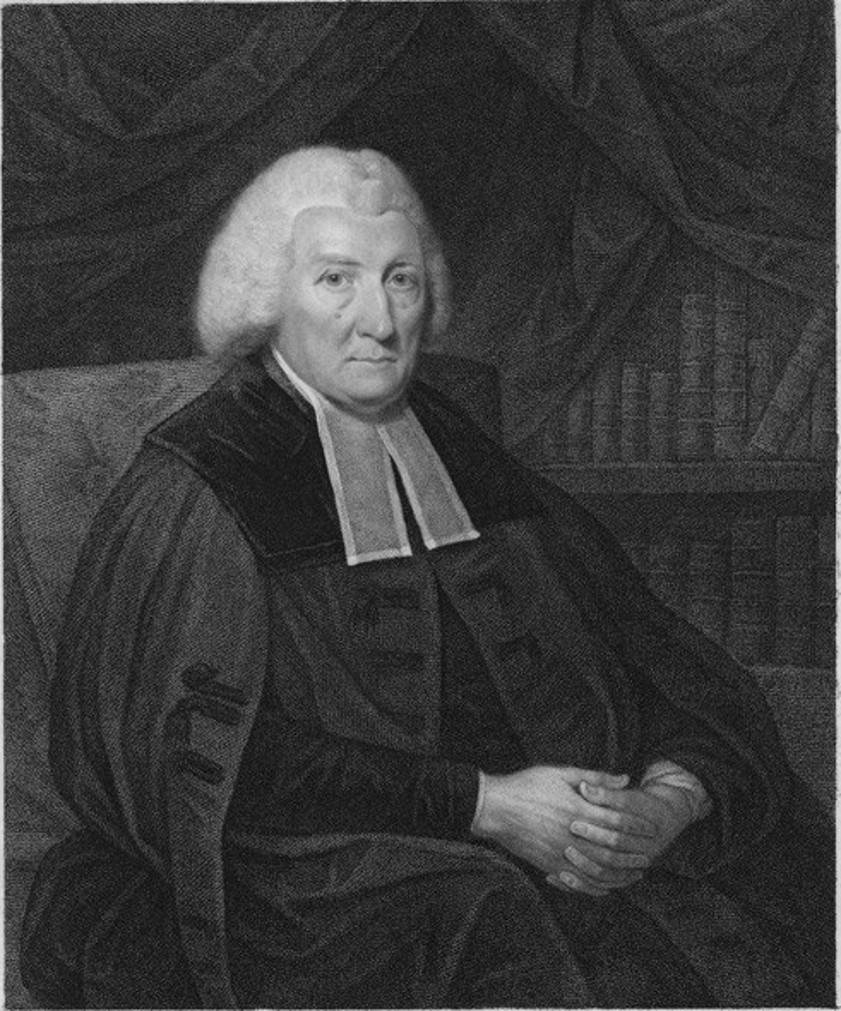
Who Was Hugh Blair?
Hugh Blair, born in 1718 in Edinburgh, Scotland, was a prominent minister of the Church of Scotland, a professor, and a leading figure in the Scottish Enlightenment. Blair is best known for his influential work in the fields of rhetoric and literary criticism. His contributions to the study of rhetoric are most notably encapsulated in his lectures and writings, particularly “Lectures on Rhetoric and Belles Lettres,” which became a foundational text in the study of English literature and rhetoric.
Blair’s Teachings on Rhetoric
Hugh Blair’s “Lectures on Rhetoric and Belles Lettres,” first published in 1783, synthesized classical rhetorical principles with Enlightenment ideas, making them accessible to a broader audience. Blair emphasized the importance of clarity, precision, and propriety in effective communication. He believed that good rhetoric should be rooted in natural and genuine expression, avoiding artificiality and bombast. Blair’s work covered various aspects of rhetoric, including the principles of style, the structure of discourse, and the critical analysis of literature. He advocated for the moral and ethical use of rhetoric, stressing that eloquence should be used to promote virtue and truth. Blair also emphasized the significance of taste, which he defined as the ability to perceive and appreciate the beauty and correctness in language and expression.
Blair’s Influence on the Study of Rhetoric and Communication
Hugh Blair’s “Lectures on Rhetoric and Belles Lettres” were widely read and adopted in universities throughout the English-speaking world, shaping the teaching of rhetoric and literary criticism for generations. Blair’s integration of rhetorical theory with practical guidance on writing and speaking made his work an essential resource for students and educators. His emphasis on clarity, propriety, and moral responsibility in communication resonated with the educational values of the time and influenced the development of rhetorical education. Blair’s work contributed to the establishment of English as a discipline of study, and his ideas on taste and criticism helped to lay the groundwork for modern literary criticism. Even today, Blair’s principles of effective communication continue to inform rhetorical theory and practice, highlighting the enduring relevance of his contributions.
*Content on this page was curated and edited by expert humans with the creative assistance of AI.